Arriving last night in Yamba after an arduous mucking around
day assisting my younger brother carry out his installation work; we settled in
to our Cousin’s backpackers for 3 nights (Yamba Backpackers). We had enough of
the traffic hassles (3.5hrs) due to the enormous Pacific Highway upgrade
roadworks. It’s been going on for 2 years now and has another year to go. From
Woodburn to Yamba turnoff is basically 80klms/hr the entire way of some 60klms
with no passing lanes or opportunity.
We awoke to a very cloudy day; something we in Queensland
has not seen for quite some time in a disastrous drought. My brother set off
early today for golf to test out his back-recovery issue so I lazed around the
Block Café of the backpackers until a dear friend said she is sick in bed and
can’t make our coffee catchup so I decided to take a stroll out to the nearby world-famous
surfing town of Angourie.
Recently the township including Yamba was severely tested
with very close bushfires to the adjacent national park. It was the first time
large fire retardant water bombing planes were used, along with small fixed
wing and helicopters. The locals were treated to very low flying in a smoke-filled
atmosphere for about 2 weeks.
After donning on my trek pants, day backpack and my feet
saving Salomon X Ultra Mid 3 GTX hiking boots I started out walking through the
streets and the road into Yamba to the roundabout and head south into a
blustering 20knot headwind. It was a good day for the walk, being on the cool
side but could have done without the wind.
The traffic was very light on the way out and the only
person being active was a runner, about late 20s and running … so that left me
out. He acknowledged me and then some 10mins later he had returned and headed
back to Angourie. He showed a good pace too! I was trying to do the speed limit
but with the headwind it had me well below it (see photo).
Fire Retardant
My Speed Limit
Along the way there is bushland both sides of the roadway
with the left-hand side being the Pacific Ocean side and the western side
national park and natural bushland. Here you can see the severity of the recent
fires right up to the roadway and crossing it to the ocean. There are sections
where the retardant bombing has still left its mark, redness powder tinge to
the tree trunks in amongst the blackened burnt bush.
Some Australian native bushes require fire to burst their
seed pods for new life. Unfortunately, we have the political parties of The
Greens and Labor that prevent reduction burnoffs, so the fire severity is
dramatically increased and some plant life cannot propagate. Stupid ignorant
government parties. Our indigenous people have been reduction burning for thousands
of years.
National Park
Rail Track Remnants
In the blackened landscape you can see varying stages of
life with reds, oranges, greens of tree trunks, some with ribbon formations on
the trunks along with the blackened souls of bushland. Coming close to the
Angourie township you can see in the far distance the vast plains of burnt
bushland and it is known the fire came right up to the fence lines of some
homes. The Rural Fire Brigade and SES personnel, along with the support
aircraft did an amazing job in preventing further tragedy and damage.
Coming into the township the first turn to the left is
Spooky Beach, a prime site but I’ll leave this area to when I do my return walk
and headed further in to another left hand turn off to the Blue & Green
Pools and picnic area. A gravel carpark first full of cars, campers and
Winnebago’s and then a pathway skirting around the Blue Pool. The fire even
reached to within this miniature coastal valley. Here you can see a range of
beauty in the treescape with varying colours of fire touched and not touched
bushland.
Blue Pool
Blue Pool Frontage
These pools of fresh water are within 50 metres (Blue Pool) &
70metres (Green Pool) of the rockwalls and pounding Pacific Ocean. They
originated I believe some 70 years ago where they were quarries for the rocks
required to make the breakwalls at Yamba for the entrance to the mighty
Clarence River (Big River). Rocks were excavated at these sites and carted by
rail carts along a miniature railway all the way to Yamba and along the
Clarence River where this is a concrete path behind the Calypso Caravan Park and
out to the headland. Overnight the quarries conflicted with an underground
spring and workers came across their new found ponds fully filled with fresh
water. All the machinery remains underwater quite some metres down. One of the
photos show some small remnants of the rail tracks in the rock pathway, albeit
heavily corroded from the salt environment.
The Blue Pool is usually everyone’s favourite as it is
usually pristine water whereas the Green Pool can sometimes be affected by
algae. Young boys were up on the Blue Pool cliff face ready to do their
constant jumping with parents looking on. I have never been one for jumping off
climbs whereas my children, nephews and nieces certainly have done it here. The
Green pool had no jumpers present today. It is a vertical climb up the cliff
face after you swim to the other side. Therefore, it is for the more advanced
ages. These areas are well loved by visiting backpackers, once my cousin Shane
does his world renowned “Shane’s Tour” with them, and has most of them jumping.
Green Pool
After skirting some beach houses, including Mr Billabong’s
$10Million house, I proceeded to do my walk back only to venture to popular
cafes on the main road and my friends of some years Barbaresco Restaurant in
between them. Adrienne and Davida were just getting ready for the night trade
and were quite surprised to see my face after quite some time. The restaurant
is of high quality and a definite must do (you might notice the bar mirrors and
extra-large wall frame mirrors mounted). My brother & I delivered these and
mounted them one morning of the NRL Grand Final many years ago which is also
this weekend too. They’re still there. The food is amazing.
It was time to hit the road and upon walking out of the
restaurant the weather has now changed to drizzle rain, something we haven’t
seen for some time back home in the Gold Coast. I set up my Black Wolf Grand
Teton backpack with its own raincoat. Luckily, I brought my rain jacket too.
I’m now aware the wind has now dropped to around 5knots so I have been robbed
of a decent tail wind. My Spotify music is providing the beat through my phone
to keep up the pace. Getting closer to Yamba my feet are starting to say hello
but as a recent book I read “Can’t Hurt Me” states most people only use 40%
capacity pf their mind therefore, don’t continue the hard yards and give up.
Not me … I’m taking one step after another. Please read this book … it’s
amazing what the author, David Goggins was able to accomplish. Everyone should
read this. After some distance I remembered I was to do the Spooky Beach view
but the rain took over my mind. Well, that will now be for another day.
Barbaresco
Cafes & Barbaresco
Clarence River Estuary
My Walk Stats
I decided to walk along the pathway following the Clarence
River estuary I spoke of earlier (the quarry railway route) so I can venture via
the Calypso Caravan Park to the main street to pick up some valuable bananas to
boost my recovery and also being well past lunchtime. The caravan park is home
to my brother & I during the annual Christmas holiday period (3 weeks). I
have been camping there for some 24 years I think and mostly taking our Mother,
Win, along too.
Returning to our room I use my magnesium spray on my feet.
This is so soothing and I’m sure my feet love it. I proceeded downstairs where
cousin Shane organises a sumptuous burrito while I persevere with typing this
blog.
Being a mature traveller (I’d love for my family &
friends to fund me for more travelling … hint) I stick to walking when I can …
are you??? Have a look at my screenshot of my walk today which means anyone can
do this … try it. 13.2klms
I hope you enjoyed this quick blog? Any comments are warmly received.
Valparaiso – Seaside City of Chile 24th
April 2019
Crowne Plaza
Subway Sign
After the most incredible sleep with the assistance of
luxury beds and thick curtains to the windows we further enjoy perfect hot
showers .. 4star luxury this is, at The Crowne Plaza. We checked out so easily
having hardly unpacked our backpacks and announcing “Buenos Di’as” (Good
Morning) to Reception where we find Norman again at the desk. He provides a
very detailed folded city map and explains the best method on a budget to get
to Valparaiso some 140klms/ 2.5hrs away travelling Nth West. He also provides a
penned note explaining the steps to take (walk, train, bus, taxi in that
order).
Firstly, we must walk 150m West to the nearest subway to
board the train towards San Pablo (outer region suburb) but alighting from the Pajaritos
station to arrive at the main bus terminal adjacent and secure a tour bus from
the number of suppliers. The subway entrances are marked with a sign indicating
3 red joined triangles (photo).
After finding a satisfying brekky menu at the adjoining
Starbucks and waving ciao to Norman, we head off down the street dodging a
myriad of people that basically have the intent of ‘walking through you’. The
congestion of people I saw yesterday (previous blog) is where we see the 3 red
triangle sign; with a stairway leading under the 6-lane road for the subway. No
wonder there was a lot of people about when you also have the 2 nearby
universities.
The subway station was so busy and I gamble on seeing a
kiosk in the centre, above the two lower train platforms. Not many English
signs about, so here goes. With the young lady’s broken English & my nil
Spanish I obtain a card for two passengers (1,500pesos/$3AUD per person
one-way) to Pajaritos station & she points to the left platform. Using the
card in the scanner I proceed through; then hand the card back to Scott who
scans & then proceeds through .. so far .. so good. The trains run at such
frequency and there’s no mucking about getting on & off. Such precision.
Boarding the train with 2 backpacks each there is very little space left near
the doors so it is a bit of a squeeze. We are comforted by the train network
sign above the doors in bright colours and every station marked. We are going the
right way & we will also have enough warning when to alight, marking off
each station as we go.
Pajaritos Bus Terminal
After about 6 stations we arrive at Pajaritos Station & heading up the long stairs to ground level we open up to numerous shops and eateries. We walk past them as per Norman’s note and find about 6 booths of bus companies under the enormous train/ bus terminal building. Here, the signs are simpler to understand and we can’t believe how many buses are in action going to various locations mainly Valparaiso and Vina Del Mar. Some leave every 15minutes to these locations. It seems the best offer is from Turbus and the lady in the booth does not speak much English … eventually, I secure two tickets @ 3,000 pesos ($6AUD) each which is not bad for 2 hrs of bus travel one-way. The ticket provides the bus #, seats and platform #s and time it arrives.
Right on time our bus enters and some 10minutes later we secure our bags in the bus and climb into our seats on the lower level. Very comfy seats that recline and with phone charges, etc fitted. Best bus I’ve travelled in. The journey takes us down the major highway (modern) and at varying times we pick up indigenous families and workers at certain locations. We also pick up a vendor selling snacks, souvenirs, etc and then he alights at another stop. The highway views remain basically the same with large hills and mountains on both sides with small under developed villages at intervals. Not much to rave about really, even though the brochures spruik about the views.
Finally, we get into some population and a city feel and
eventually we click its Valparaiso … tourism signage could be entertained at
the city’s boundary for an obvious suggestion. Winding through the streets, it
is quite congested with vehicles and pedestrians and after a while we enter a
driveway off a small street into a large carpark. We are at the Eastern end of
the city. Here is the bus terminal and numerous taxis and some men making out
they are taxi drivers. Not wasting any time, we alight from the bus and walk
outside the terminal towards the official taxi rank. There is nothing to see
around this neighbourhood so we gather at the taxi rank until we gain the
driver’s attention (all smoking in a group). We show the address to one driver
and a huge smile and a nod confirms he knows where to go for 1,500pesos/ $3AUD.
The taxi winds through the city towards the West, along the
Pacific Ocean seaside, although can’t see the ocean as yet and then turns a
hard left and proceeds to escalate rapidly into very narrow streets on a steep
incline with hairpin bends and the like. Winding our way to virtually the top
we notice all the art works on the sides and facades of buildings and very
bright colours. Suddenly the taxi stops and the driver looks back to us and without
warning he reverses at speed for about 70m and again stops suddenly. We have
arrived at our hotel in a dead-end street. We alight and look around and see a
row of brightly coloured buildings but no obvious hotel structure. The driver,
after being paid, shows us the alley way at the dead-end to the right and from
there we will see the hotel’s entrance after walking through. He waves, smiles
and he’s back into his car & off.
The alley way opens up to a paved walkway overlooking the Pacific Ocean harbour in rich blue with large ships anchored off the shoreline, including navy ships and all within bright sunshine. Certainly, didn’t expect this type of expansive view. After looking out to sea for a few minutes enjoying the view, we now look behind us and there is a small board sign stating our hotel ‘Gran Hotel’ and a timber framed glass door. We are warmly greeted by a young lady from England at Reception. She provides the rules of the house, restaurant location for brekky, etc and proceeds to show us our room. The hotel is a restored family mansion of a boarding school type with corridors and timber staircases and numerous rooms proceeding down the slope of the land to about 4 levels. The hotel also goes under another name ‘Hotel Gervasoni’ and is predominately all heavily polished timber throughout so it would have cost a pretty penny in its day. Our room is large enough to be comfortable with French doors/ windows opening out to a non-entry balcony (tiny in size) & facing west to the ocean. We can also see into numerous offices and apartments in adjacent buildings … privacy is certainly not a pre-requisite here by the looks of things.
Dwarf Bathroom
When the lady leaves, we decide to use the toilet and head
off on a walk around the neighbourhood as it is around 2pm. Scott needs food.
Opening the door outwards to the bathroom I’m aghast at the smallest bathroom
known to man. It contains an 800×800 shower, a toilet & a basin all within
a floor space of 1400×1200. One small space to stand in .. yes, in front of the
toilet … LOL!!!! Look at the photo for proof. So tiny.
Now over the shock and laughter of the bathroom we hand our
room key in and proceed along the paved walkway to do our reconnaissance walk
around the city neighbourhood, not venturing too far of course. Wandering past some market tables along the
walkway we find large concrete stairs leading down to the street some 60m
below. At the bottom of the stairs we notice a lot of young people (university
students I believe) all sitting on the steps and heavily engaged in smoking
weed. The sweet smell was so strong. Looks like it is a regular haunt to avoid
the parks and streets and stay out of view. The other ugly side was the amount
of dog facies present and a few dogs hanging around. Not impressed on
Valparaiso at the moment.
Opening out onto the street we are greeted with very heavy congested traffic in a rather tight two-way street called Esmeralda St. Looks like turning right to the East is the best option and just a little way up the street becomes one-way and joins into a roundabout of obvious landmark recognition with a statue in the centre. Here at Plaza Anibal Pinto, we have people all trying to cross the roadway, large volumes of buses are blocking the road trying to pick up people at bus stops. Police blowing whistles to force cars, buses to move but what can they do when its piled up solid. Scott & I cross the road and settle inside the roundabout under this statue called ‘Fuente de Neptuneo’ (Fountain of Neptune, erected 1892). From there we can see a row of cafes with outside eating areas facing the street and the roundabout. Looks like we are on a winner finally by selecting Restaurant Cinzano. We order a late lunch with coffee and spend a few hours taking in the day’s action and views. We notice this is the main meeting point for many tour operators, mostly undertaking the ‘Walking Tours’ of artistic buildings and graffiti art close by. Totally forgot about photos … der!!!!
Our neighbourhood is perched on the Western end of the flat
land and backs up onto the high headland called Cerro Concepcion (Cerro = Hill),
all covered with buildings, built into the slopes & cliffs of the headland,
no space is wasted. It seems to be the historic centre of Valparaiso but you
wouldn’t really know it for sure at first glance. One must question how do they
paint such buildings perched on sharp slopes/ cliff faces. Painting them in
ultra-bright colours must lift their courage, I guess.
With darkness nearing we walk back to the large stairs and notice it is not a nice area in the dark but we proceed with confidence, just the same. Finding our hotel easily we proceed into the alley way to the high side of the street where the taxi dropped us off (Papudo St). From here we walk the short well-lit cobblestone street to find one restaurant, ‘La Concepcion’ with a great menu amongst many other restaurants. Upstairs we are greeted so warmly and with the waiters dressed in an immaculate fashion. Very high-end look and excellent service, yet so very affordable. The tables are converted door frames and clear polyurethane coating with inset square clear glass. Very unique and quirky. Scott & I can’t go past the Vegetarian Lasagne. ’Molto bene’ (very good). Our Mango juice is also divine … should have ordered doubles. What a surprise this place is and the view at night is superb with the far lights shining and flickering on the ocean from a nearby (joined) ritzy city of Vina Del Mar & further on Renaca, known for its laidback beach. We find out later La Concepcion is a highly regarded restaurant so that confirms my opinion and recommendation. Again, forgot about photos … double der!!!!
We head back to our room to navigate having a shower. Very
squeezy and a bit of a challenge. Scott first .. but he comes out several
minutes later saying .. ‘no hot water’.
Reception has now closed so will have to wait till morning. Yay!!!
Morning comes .. first thing after our personal care is to
report our hot water issue to Reception. We are assured it will be addressed
while we have our free brekky. To shorten this section of my story our
complaints were ongoing for two more days, even after the Maintenance Man
assured us, as well as Reception that all was OK. “It has been tested”. Coldish
showers are not our thing so my complaints were getting stronger but Sth
Americans don’t seem to grasp negative comments and how to properly respond to
such major complaints. My booking was pre-paid with points through my Wyndham
Resorts so no compensation of course or other compensation. Very frustrating.
To end this section, upon checking out days later, Reception tells us the hot
water works, but you must run the taps for a minimum of 15mins first before it
comes through. What!!!! Such water wastage and terrible plumbing. Good to know ….
NOW!!!
We must applaud the great breakfast each morning .. really
enjoyed the buffet and the room with the morning sunshine which gives us the
motivation needed to step out into the city. Scott & I walked the entire
length of Valparaiso (say 3-4klms one way) but saw nothing that really stood
out apart from busy footpaths, traffic and plenty of small street shops. The
occasional sitting areas outside the main universities. Much later we find most
of the sites to see are at the start of the hill climbs where most of the
colourful and art buildings are located. We did stumble at the Eastern end,
near the headland a shopping mall much like a miniature Cosco where you can buy
just about anything, even car tyres.
Walking back to our neighbourhood, I notice some markings on
our city map showing a few Funicular lifts (Ascensors locally called) with one
not far from our hotel so will do that tomorrow. We partake in our comfortable
café at the roundabout again to ensure we get good food and outlook to the
street before heading back to our hotel where Scott spies a bright yellow house
up on the cliff face of Cerro Concepcion that is an outdoor restaurant and
suggests we give that a go. Of course, the weather changes to quite cold and
windy and the outdoor restaurant is copping the full brunt of it. OK .. where
now?
Wall Art
Piano Stairs
Our last full day we can confirm we are sighted within the art
section of the city which is the most publicised tourism attraction. It
includes fashionable and trendy shops, very brightly painted buildings, houses,
etc and arty graffiti. There are a few tour guides showing small groups around
but in reflection I believe you can easily find these sights just by walking a
few streets around this headland and taking notice where the funicular lifts
are placed. An example of this is the photo of the piano stairs and a cultural
centre. The walk down to the main city is quite steep and some hairpin corners
and the car’s motors do rev up a bit loud. The footpaths are quite narrow as
well but understandably so. We don’t mind this walk as it confirms we are
somewhere different.
Using our city map we head towards the funicular lift
nearest our hotel called Ascensor Reina Victoria adjacent to Calle Cumming
(Calle = Street). There are a few handicrafts and tourism merchandise rooms
attached to the lift and all is quite quaint. We take notice of how this lift
works, with the operator doing manual door openings, gear stick movements. It
has all the hallmarks of its 1902 vintage (some are even older at 1883). It all
looks like it works very well .. good maintenance, so we are assured of taking
the ride for just $100 pesos … $0.20 each person, each way. Obviously, I gave
the driver a decent tip. The ride was quite smooth however it is when it
reaches the extents that the gates and locking cable gear and handbrake gets a
bit clunky. We alight to a suspended walkway overlooking a small playground
towards the small shops and notice adults and children using the slippery slide
from the walkway down to the playground. Smiles and laughter all around.
Ascensor
Reina Victoria
Along the walkway we are enjoying the warm sun and the views
to the ocean in the West and we spy the café we saw along our city walk
yesterday. It is very busy and not a table to spare inside and out. Obviously,
the out area is prime real estate for the view and clean air. We note, we can
find a table ourselves so Scott & I slowly patrol the verandah/ balcony
area and with just a few minutes we land the BEST table … what a win!!! We are
near the end of the balcony with the best views. A couple inside the café are
definitely giving us the evil eye as we noted they were re-sitting themselves
back onto their inside table.
The service was excellent and the food even better … it came
to a point where we almost felt guilty staying at the table long after our meal
and juices but there were now plenty of tables vacant so the guilt went very
quickly and it was a superb place to talk to my son on numerous topics. Such
times are priceless. We had such a great time enjoying the view mostly overlooking
Cerro Concepcion (Cerro = Hill) in the direction of our hotel where colourful
buildings abound. We slipped up on not recording the cafés name. We believe it
maybe the Altamira Café. Speaking of cafés, we found out some days later
Valparaiso has a café called the Melbourne Café. Shame we missed this.
Funicular Walkway View towards Cerro Concepcion. Vina Del Mar in background
As night plays out, we are in need of dinner so Scott and I
branch out even more reading menus and scouring many eating places but nothing
meets our eyes or our needs … after quite some time we circle back and seek out
our favourite, ‘La Concepcion’ with the endless night light view and the
Pacific Ocean. We were not let down by their service and the main waiter later
recognises our faces and smiles accordingly. We bunker down after at our hotel,
still a barely lukewarm shower and some music and Youtube madness.
Tomorrow is not a rushed day, and that goes for the last 4
days too so we will pack later and leave checkout to the last minute after
their great buffet brekky, catch a taxi at the rear of the hotel and travel to
the adjacent coastal city, Vina Del Mar, approximately 5klms away, hoping for more
entertaining sites and culture feel.
Valparaiso
City Building
In reflection, Valparaiso is a port city, founded in 1536, with a population in 2017 of 295,113 making it the 2nd largest city in Chile. It has a naval port and the largest adjoining import/ export wharf at the Sth Eastern end, no accessible beach to laze on with revetment walls along its entire coastline with buildings placed against it. Surprisingly, it is an educational precinct incorporating 7 universities and several colleges. The main part of the city is on flat land stretching some 4klms and then rises sharply to very high ground where every inch is occupied with brightly coloured buildings and houses, etc and numerous churches. There are about 16 remaining funicular elevators throughout for the very steep parts. The ‘Walking Tour’ centres around our hotel area and that is unique and colourful however the city outside of this area is a typical bustling city with very little impressive architecture or new development. The tourism part firmly focusses on the ‘Walking Tour’ area. Within the Valparaiso regional limits there are approx. 47 hills so that’s a high number I wasn’t expecting.
Once again, many thanks for reading my blogs and feel free to place a comment below. Any feedback is good. Any sharing of my blog link to your friends is certainly OK by me. Hopefully, it may provide some travel inspiration to them.
Chile – Santiago, Capital
City – Overnight 23rd
April 2019
We completed Ecuador’s Cotopaxi – Quilotoa Volcano 2day trek
tour the day prior and managed a wonderful sleep in our twin room at the Hump
Day Hostel in Quito [kito], (Capital City) Historical Centre (refer to my
previous blogs). We had our bags packed for international travel (our backpacks
are packed differently for these flights due to scanning, etc) prior to the
taking of the hostel’s free brekky downstairs in the communal lounge/ dining.
The indigenous staff were very shy at first but so friendly & accommodating
within seconds. We were treated so well and loved the omelettes, tea, etc. We
obviously missed rush hour as most backpackers had already left or were still
asleep.
Hump Day Hostel – Communal Room
Basilica
We checked out at the required time but was able to place
all our backpacks into their Hold Lockers for $1USD each all day in Reception.
The staff were so pleasant even after checking out. It was a great place to
stay.
I must confess I did not pay too much attention to this last
day in Quito as we had a 2.30pm taxi booked for the airport so just expected to
walk the streets nearby to fill in the day. My eldest son, Scott, was not
motivated either way as we were both coming off the high from the last 2 fantastic
days. In reflection I should have organised a half day short trip to the actual
equator some 48mins drive, 23klms away to the North where there is a museum,
Equator Monument and many other associated landmarks. So disappointed in
missing out some areas of Quito.
To fill in time, we had a quick walk up to the super impressive
Basilica (pls refer to previous Quito Blog) which was sadly, still closed for
Easter, took more photos and headed back in a roundabout way to our hostel. We
found a fantastic arcade (closed transport street) with so many eateries and
coffee shops and obviously would be the main gathering of office workers in any
given work day, much like a miniature Market Place in Sydney. The arcade was quite
a surprise in comparison to the other surrounding streets. After a much-loved
coffee and service we took in a rather cruisey stroll, fresh air and sunshine,
albeit everyone was wearing jumpers and coats, some with scarves and gloves too.
Upon reaching Reception I made the comment of the Equator trip
and the response from them was it will rain heavy soon & possible hail too
so it would be best not to go. Sure enough, shortly after, they were spot on! It
is bewildering to see this weather type on the Equator, so obviously the
altitude makes the difference. The temperature plummeted with this storm so all
Scott and I could do was to find the comfy seat in the communal room and wait
for the taxi that we had already booked.
After a couple of hours of chilling out, we climbed into the
taxi for the 42klm journey to the airport in the pouring rain, battled through
Customs, Immigration and had our last Ecuadorian coffee. Our flight eventually departed
late from our 6.35pm schedule so it will be a very tight stopover at our ‘beloved’
Lima Airport in Peru (sarcasm) before our connection flight to Santiago Chile,
arriving there at a wonderful 2.30am (more sarcasm). The best thing is we will
be flying with our favourite Avianca Airlines for both flights. The reason for
Chile in the itinerary is; it is the main departure point for Australian
flights therefore it would be a shame in just seeing the Santiago airport and
nothing of Chile or their people.
For most flights in South America, seats are assigned to you
when booking. If you wish to choose your seats there is a very strong
possibility of a seat preference charge and this could be a minimum of $100USD
per seat. Obviously, this is unreasonable to many, including me. Of course, our
flight from Lima has seats 12A & 12B assigned to us. They are located
immediately before the wing exit doors. Never, ever have these seats, as they
don’t recline. This is to enable a clear exit passageway behind in case of an
emergency!! We could not recline for some 3 plus hours and the seats in front
of us reclined their seats giving us so little space for our trays including
the seat TV screen was too close for viewing. Worst flight ever and so
uncomfortable therefore, no sleep!
Upon arrival in Chile we are directed towards Customs and
Immigration as normal however, we see large Australian flag stickers proudly
displayed in a cluster on a column or 2 before Customs. Australia has an
agreement with Chile where we currently pay $117USD/ person for visiting Chile
as a tourist and lasts for 90 days. It is called a Reciprocity Fee between
certain countries. Rip off I call it but it’s a must do to gain entry!! Chile
is required to pay a fee too when visiting Australia. Chile Immigration
certainly check this is paid before entry and you must ensure you do not lose
the stamped ticket or you will be paying other taxes and again on departure.
This stamped docket is required for hotel check ins as well and is recorded at
times. Surprisingly, Immigration did not wish to inspect our Yellow Fever
stamped vaccination booklet presented.
Scott & I stayed within the Chilean airport, having a
brekky and coffee until dawn arrived and when the airport became busier at 7am.
In the meantime of some 4 hours till dawn, we spent energy trying to work out
the pesos currency .. yes, it is awkward when comparing USD & AUD
comparisons. Apparently, the theory is pesos divided by 640 = $USD, making our
taxi ride to the Crowne Plaza Hotel some 25,000 pesos/ $39USD. Only certain places use $USD so everything is
in pesos.
The airport arrangement for getting a taxi is very awkward compared
to other airports and after several attempts we are convinced by a fellow who
is ultra-polite, far above anyone around. Usually, I would avoid these signs of
‘perceived false humanity’, but in reluctance I am with Scott, so I am more
reassured to getting a disguised ‘Uber’ by cash. The airport is some journey
away from the city centre, hence the large fee of $39USD by a taxi. Scott is
not a bus person and remains unsure with anxiety of where we are going and when
we would have to get off even though there is a shuttle service run by two
major companies, Centropuerto & Turbus for around 3,500 pesos per person.
I usually trust my common sense & the universe but chose
the private vehicle option to hasten the trip to our hotel & to obtain much
needed sleep. Our ‘Uber’ driver provides plenty of English conversation which
made the journey into the city in peak hour more enjoyable as we see plenty of
new development, old buildings and derelict buildings along the way with great
commentary. Scott & I note, the numerous religious buildings, universities,
churches along the main thoroughfare of Av. Libertador
Bernardo O’Higgins dissecting Santiago and what seemed quite a while our
driver enters a driveway on the right which forms the carpark of our upmarket
Crowne Plaza Hotel set back from the street.
University
Crowne Plaza
Footnote: The reason for the upmarket
accommodation stems from my ‘resort ownership’ of Wyndham Resorts over many
years where I’m provided a lot of accommodation points each year where I can
use them throughout the world; so I thought this hiking tour would help provide
some great relief being in resorts for a while and to use my points before they
expire. One of the other reasons was not knowing what physical and mental
conditions we would be in after such hectic and strenuous hiking and to also allow
relief for my 4th digit toe on my left foot that continues to be in a
broken condition since I kicked a low tiled shower hob way back in Vietnam some
12mths ago. Ouch!!! I am so thankful for I believe the best hiking boots in the
world, my Salomon 3X Ultra Mid boots. They looked after my feet perfectly. Back
to my resort package you might remember I used some of my Wyndham points to
recover in Wyndham Guayaquil Ecuador a week ago in a previous blog.
Despite having valets meet us in alighting the car in the
carpark our driver continues to assist us to Reception where we meet a very
polite gentleman, Norman, who speaks great English. By not having any pesos, our
driver now will not accept $USD cash so this brings in some complications of
course. Norman, being conscious of this, offers a great lifesaver by organising
an IOU with the cash register and placing it on our check out bill (after checking
in of course). This negates the tax rule of adding 26% to the bill and also gets
the driver paid. The stamped Reciprocity Fee docket is requested for this to
happen. Whew!!!
Norman changes our room to the same type so we can
immediately get settled and some well-earned sleep now that it is 8.45am (we
both received no sleep last night). We hardly unpack and before long Scott is
sound asleep, whereas my adrenalin is still active. No real need to unpack as
we venture to a nearby seaside resort at Valparaiso tomorrow for 3 nights, a
few hours away from Santiago.
While Scott is asleep (I leave him a note), I walk the main
street of Av. Libertador Bernardo O’Higgins looking for food places, especially
vegetarian ones in readiness for Scott’s emerging metabolism. Walking West, I
come across a lot more people crowding the pavements being out from two nearby universities.
The food places are predominately carne (meat) places and junk food for the
younger people who look quite bulky in physicality. Obviously, junk food is
applying its affect over here too. I have a sense Chile is going to be
challenging, although a satisfying win with an atm for some pesos was my
highlight for the afternoon.
Some main facts on Santiago are;
Founded by Spanish conqueror Pedro Valdivia on 12th February 1541. The city is located in a very large valley base surrounded by snow-capped Andes Mountain range to the East and the Chilean Coastal Range to the West (Pacific Ocean). The population in the 7th most populated city in the Americans is 6.544million from the 2016 census (Los Angeles has 3.971million). Chile appears to have the highest cost of living in Sth America with the most developed infrastructure and a solid middle class so will have to watch my budget here.Elevation is 570m/1,870ft and is in an earthquake zone where in 2010 it suffered an 8.8 magnitude earthquake centred about 325klm to the Sth West causing medium damage to the city.
Crowne Plaza has a Starbucks Coffee adjacent to their foyer so we use this for convenience and then settle later for a vegetarian pizza in a quaint little shop, Pizzeria Bella Italia, just up the road for dinner. What a lazy day and night; virtually achieved nothing however, we will leave Santiago tomorrow knowing we will be back in a week and a half to see its highlights.
Hopefully, with a full night’s sleep to come we will head to
the seaside of Valparaiso, some 140klm to the North West.
Thank you for reading my blogs and I would be grateful if comments are forthcoming.
Ecuador – Quilotoa Volcano
Crater Lake Day 2 22nd April
2019
This is the 2nd day of our Volcano Treks so you may need to review back to the first day’s blog for more info.
The alarm shatters the silence in the morning after a
well-earned sleep from yesterday. We both had a very comfortable sleep at our
overnight stay at the Chuquiraqua Lodge & Spa,
set into the quiet hinterlands and farmlands 8klms off the highway at 3,336m/
10,945ft elevation and we are buoyed by the energy we have now inherited. Scott
had completely destroyed his bed of course, whereas mine was like a display
bed. I’d like to think I am a peaceful person at night. Worried about Scott
though 😊. The facilities in our room are wonderful
and the little room heater is abuzz. The morning air, we’ll say is brisk .. at
best. We are warm and fresh after our hot showers and within minutes we are
dressed in our trek gear and backpacks are sorted. We sneak out of the double
storey multi-room unit block and walk swiftly across the carpark to the
restaurant for breakfast avoiding the wind somehow.
We are greeted by the Manager, Krystie & the European
Chef however they are very busy as expected. We sit in the lounge awaiting
breakfast call up. The choice of meals is above standard. We are ahead of time
so all is good. The German family are already through their breakfast and about
to leave as their guide has turned up and we are to place ourselves at another
smaller table. We smile and say good morning but don’t intrude any further. It
is Easter Sunday today and the German father greets us at our table with a
boisterous “Happy Easter” and presents Scott & I with a mini chocolate
Easter Egg each, and states with humour, “it’s also a German thing to provide
Easter Eggs”. Such a wonderful family group .. we are able to bid farewell
properly as they venture to the entrance door after their guide has packed
their van. We wave a hearty good bye.
We enjoyed our breakfast and now sit in the lounge wondering
when our guide will arrive. Krystie is talking to a gentleman at Reception so
can’t intrude. Time is getting away now so I was about to approach Krystie when
she advised the gentleman, she was speaking to is now waiting to take you back
to the Chaupi Community Village to meet the tour
bus. We had been sitting there for about 20mins in full view of them only
metres away, so I can’t fathom the delay. We scurry to the van when Krystie
calls out to me. She had forgotten to provide the bill for dinner last night.
More minutes now taken to clear that up but I knew the dinner was an exclusion
in the tour and totally slipped my memory to pay. Breakfast was included in the
tour so all good there. What a pressured 10minutes and more time wasted! I
wholeheartedly recommend Chuquiraqua Lodge & Spa.
We arrive at the Chaupi Community Village in record time
from yesterday. The driver must know we are late now. The tour bus is waiting
for us of course. We hurry out of the van knowing the other trekkers are now
passing daggers at us. The guide says we are very late and been waiting there
for some 20mins. We say “Buenos dias” (good morning)
and apologies to the bus but we hear only muffles. What else could we do?
The bus starts up and we do the famous right hand turn again
onto the highway .. close our eyes again. Quilotoa is approx. 2.5hrs south of
Quito (capital) however we escape the first hour by staying overnight in the
Chaupi village region. We now have a 90mins trip to get to Quilotoa Crater Lake
but further up the highway we must turn right at the large overpass where we
turned left yesterday to Cotopaxi Volcano, to peruse the guide’s home village
of Pujili, set at 2,944m/ 9659ft elevation, where
there is a large market today. The guide is full abuzz in excitement and
passion for us to see his village. We squeeze into a large carpark full of all
different size buses once we weave in & out of traffic bedlam. We alight
the bus and the guide provides us more detailed instructions where to meet up
as the bus will drive to that point a little later. Getting our bearings on
where best to head, we are so surprised to see our Las Vegas friend from
yesterday alighting from our bus. She was the only one unfortunately from
yesterday. She was thrilled also we were present. So embarrassed in not
remembering her name.
With that sorted we cross the street into the mire of over
active people all scurrying with their purchases of fruits, vegetables, fish,
fowl, duck and some things not to mention. So many tourists are already here
plus the indigenous people. Scott struggles with the live trade so we venture
to the fruit, vegetables and bakery section. The indigenous people just walk
through you and never smile or say “Buenos dias”. We find this is normal
behaviour of Peruvian and Ecuadorians so far which is so different from my
Cambodian & Vietnam experiences where they love tourists and know we bring
money to help lift their living standards.
Looking over the market stalls we can see the German family
from last night .. too far to get to them but their eldest son passes close by
& recognises us. He smiles and says “Hello” … great to see them again.
Maybe we will catch them later on. After about 30mins we are first at the
meeting point, then the guide turns up. It takes another 20mins before everyone
finally arrives … no apologies forthcoming now for the stragglers and you can
tell the guide is frustrated. We cross the street and the bus is again
underway. We have well over an hour of travel still and much higher elevation
too however, it is expected the road is very modern and smooth and the weather
is perfect for now.
Some 30minutes later we stop alongside the road out the
front of a farmhouse. We are advised what we are about to experience is the
actual farm living conditions of an indigenous family. The family greets us
with cheering smiles in their indigenous farming costumes but remain silent. We
note, the farm animals of alpacas, dogs, cow and sheep and an old crop of corn.
Their huts were circular and made of straw thatching with earth floors. The
larger hut was the main house and inside there were cages, benches, shelves,
cooking utensils hanging off the walls, one very large bed and about 20 guinea
pigs free ranging on the floor and taking no notice of us. For some reason they
stay within the boundary of the hut which is so unusual for us. Everything is
done in this hut for the family.
Once outside, the father spoke in his indigenous language
and the guide translated for us. He explains times are tough getting the crop
harvested and to keep the family together, etc. He asks if photos are taken to
offer a small donation. The family get
most of their income from tourism now, hence the old corn crop I suppose. Their
sons follow us like puppy dogs, watching us closely, circling around us
offering all types of tourist bangles, key chains and the like. The girls were
more reserved and shyer. I bought some cloth bracelets for my 3 grandchildren
back home and donated well to the father directly, and he smiles appreciably.
The family all group together like its well-rehearsed and wave us good bye
simultaneously.
All aboard again and we all enjoy the much higher mountains,
some snow-capped from the view of our windows. The scenery is majestic to say
the least. The bus now winds further up steeper hills for the next 45mins and
then into a narrower road and under the overhead sign welcoming everyone to
Quilotoa; with an elevation of 3,914m/ 12,841ft. The village is small, clean
and many buildings and homes are being constructed and/ or refurbished. The walk
down to the crater lake is free of charge however, the community imposes a
village entrance fee of $2USD/ person that goes towards community improvements
so we pass this onto our guide while hopping off the bus. The air hits hard
with the icy wind chill especially when the bus was so warm. The guide shows us
our restaurant and meeting place for lunch later as we stroll past the many
side market shops. We are quick to see the quality of their goods are so much
better than what we have seen elsewhere and well-priced.
Quilotoa (Spanish Kilo,to,a) is rare in so many ways.
Firstly, Quilotoa means ‘Water Filled Caldera’. The village of the same name is
located precisely on the crater rim and is now tourism based with quaint hotels
and bars built in better, more modern construction than the village area. Not
sure about living directly on the edge of an active volcano though. The volcano
is the most western in the Andes mountain range and the Caldera itself is
3klms/ 2 miles in diameter at its widest point and now filled with emerald
coloured water from minerals present some 250m / 820ft deep. The last eruption
was some 739years ago in 1280AD after a dormancy period of some 14,000 years.
The eruption was in a catastrophic scale and lava reached the Pacific Ocean,
some 200klms away.
From Wikipedia: A Caldera is a large cauldron-like hollow
that is formed when a violent eruption of magna, or lava, leaves a gigantic
empty chamber underground. The land above drops into this empty chamber and in
Quilotoa’s case an inland lake eventuates. A crater, however is almost always a
vent for volcanic activity.
We are directed downhill towards an unassuming timber
stairwell, some 2m wide between market shops and the guide talks more about
being careful with our steps and to say he will talk more when we get to the
viewing platform shortly.
Coming off the 25m long timber stairwell there is a large
group of people standing around blocking the area so the guide finds a spare
area to the left on the viewing platform. OMG!!!!! What is before us is the
most incredible view and we are blessed with a sunny day (no wind at the moment
from entering the crater) however, clouds form above. Most of us have
overlooked the guide was lecturing us on the crater’s history; such was the
view before us. The guide understands this and now repeats his talk, much to
our delight. The above historical information was in his talk however, he advises
us of the timeframes and stamina needed to walk down & up the crater walk
making sure we understand the protocols of sharing the trek route with donkeys
and horses. For a cost of $10USD you can hire a donkey/ horse for those that
find the trek too tough.
We are left to our own devices now so Scott is super keen as
usual and Dad staying with him noting I am much better going downhill. The trek
does need concentration with your footsteps for the awkwardness of sands,
gravels and rocks with stone walls along its perimeter. Added to this is the
close ‘contact’ you have with the numerous donkeys/ horses with their
accompanying handlers. Believe me, there is not much room on the trek route and
sometimes it is best to climb onto the 600mm high man-made rock walls or them
to pass by. Surprisingly, the animals are extremely cautious and avoid the
trekkers with precision and care. Really amazing to witness this. Also, when
the donkeys need a breather they abruptly turn sideways and partially block the
route until they are ready, or their handlers get more vocal. They certainly
know when to rest.
We take our time traversing downwards in a winding pathway
of the 280m vertical descent, taking in the varying views of the crater lake.
It is a view you could sit for hours soaking it in. I take note of the volumes
of people obtaining the assistance of the donkeys/ horses plus the strained
faces of the trekkers scrambling up the trek route. Some people are really
struggling however, quite a few a far from fit. Some are obese and much older
age but nonetheless, everyone is struggling.
We reach the crater lake surface quite comfortably, noting
the large amount of donkeys/ horses still ready for hire. This area does allow
very basic camping however, you must bring everything to do so (no shops here).
One toilet exists too. Walking off the end of the trek route you come to a
small sandy beach and a couple of operators hiring out kayaks to venture out to
the laguna (Lagoon/ lake). Scott & I secure a kayak for 3,000 $Pesos ($6AUD)
noting tourists pay higher. Our guide looks after all our backpacks while most
of us head towards the kayaks.
You have the option of swimming in the laguna however it
seems to be quite rare at this time of year. The water is almost freezing and I
get the intense water shock when I used the paddle (water was inside the handle
& leaking out) … My God!! that’s cold running down my sleeve to my upper
body. Brrr!! With the shock over I carefully paddled in sync with Scott and we
venture out as far as we can reminding ourselves of the timeline required. It
was the most incredible feeling being on this magical water and noticing the
tiny bubbles of sulphur reaching through the water surface and into the air.
The bubbles are too small to notice any smells of sulphur so that’s a relief.
We do the largest possible circuit, taking in the scenery and the huge crater
walls totally surrounding us.
We notice other horses & donkeys are grazing in their
serenity over in the crater’s pastures oblivious to the hundred or so people
exploring the crater and its lake at the beach side. Apart from the beach area
there is virtually no opportunity to venture out of the kayak due to the sheer
vertical walls of the crater. It seems just a few minutes and our paddle was
over, and Scott couldn’t believe where the time went. He was really connected
with this place, and to me, I was as well but I had other thoughts too, like,
if the volcano ‘burped’ it was all over for us, in an instant. Obliteration .. to
everything.
Time is upon us and we must now start the winding 280m
vertical incline which probably equates to around 1klms of winding pathway, and
Scott is certainly ready for food up at the top. I jumped in first and
‘allowed’ Scott to venture up on his own as it would be easy for him to see my
progress following him and there are plenty of people about; plus our Guide is
walking mostly with me, hence he can enjoy things on his own. Scott is off in a
flash .. “see ya Dad”! Gone in a flash!! .. love you son! … as he paces away
without another thought.
In adjusting my backpack and taking my first 10 or so steps towards the pathway I look up to see our Las Vegas friend, (so ashamed I can’t remember her name), taking her position on the saddle of a horse and laughing hysterically. She explained and was bewildered how I missed her first attempt just a few seconds ago. She was helped up by the horses’ handler and she rolled straight off the saddle to the other side, hit the sand and rolled down into the small swale some metres away. She dusted herself off, laughed herself silly and climbed back on. It must have hurt too, but she took it so well we all laughed profusely. Her male friend on the bus was already on his horse and he too, joined in. She said looking at the pathway there is no way she could handle the walk up, $10USD well spent she said. Totally forgetting taking photos … arrgh!!!
There is virtually no breeze within the crater and the sun
is quite warm now, so it will take good management on the exertion and water
replenishment to reach the top. The guide said it could take me 1hr 20mins to
reach the top after I advised him of my incline history. The pathway is now
quite full with people, donkeys and horses so I must look ahead and behind to
avoid collision factors. Several times I had to jump up onto the side rock
walls to allow the horses and mules unobstruction. These times were a great opportunity for
respite which was gratefully received. It was strenuous at times trying to gain
footholds in the sand which was most of the way. The photos don’t accurately
show the strength required to get to the top but of course with little steps
you reach the summit in good form. Before leaving the crater, we arrive at the
viewing platform again & take the last look below and beyond to create a
living photo in our memory banks, such a sight to behold with different
outcomes with the cloud cover and then pure sunlight in between. My phone
confirmed I did the trek up in 1hr 18mins so that was a great result.
Reaching the top of the timber staircase Scott was waiting
patiently and full of congrats for his Dad completing the trek however, he was
bitterly chilled as he explains they had a complete cloud come through the
village which resembled a thick fog with the temperature plummeting. It lasted
for some 10minutes then disappeared as quickly as it came. Being on the viewing
platform at the time the cloud effect went totally unnoticed. Passing the small
merchandise shops and to the restaurant we find the inside is very hot and in
full occupancy so it takes us a while to gain two seats and to be served some
well-earned food; soup first. Within minutes of placing our cutlery down we are
ushered out to the bus for the return journey. Scott rushes out to purchase a
beanie he was looking at prior and he was so pleased he found enough time to do
so. It was the best quality beanie he has ever worn and I do consider him an
expert on this. He has more than several.
We were unaware at the time that you can do “The Quilatoa
Rim Loop Hike” also free of charge that takes you around the complete rim of
the crater. Scott & I would have loved to have done this as well but
obviously that would be another day we did not have. The Rim Hike takes some 4-5hrs and is very
rugged for 8-10klms and provides a continuous view of the crater, lake below
and the hinterland outside of the crater. It is noted it is best to do the
trek, counter clockwise so that you do the higher inclines when you are
fresher. The highest rim part is at 3,915m/ 12,845ft located on the SE side.
For this trek you must take a lot of water, snacks and factor in all types of
weather as you can have the 4 seasons in one day. Take extreme care and let
people know you are on this trek in case something goes astray. Fitness and
common sense are paramount. No doubt the views would be magnificent.
The return bus journey was much quieter with a few trekkers catching
some sleep plus the guide is sitting with the driver for a while. We know we
have about 2.5hrs of normal driving to get to Quito but we are advised to allow
another 30-40mins for peak hour closer to the city. Looking at the weather I
believe we left exactly at the right time with darkening clouds following us.
The sun is now blocked out. I am not that relaxed due to the bus speed and the
steep inclines of the mountain road which is wet and appears to be very
slippery. Not a good feeling at all.
A little later our guide steps out of his front seat and
speaks to me advising the bus driver will be dropping us off at the same place
we joined the trek yesterday morning in the city. I said that is what we were
told originally so all is good with only a few city blocks to walk back to our
hotel, Hump Day Hostel. Within seconds of discussing this with us, the guide
says “Bueons Tardes, travel safe”, the bus stops and the guide quickly hops
off, now that we have reached his village of Pujili. No-one expected that
sudden departure.
Getting back onto the highway the food places are all waving
their flags vigorously to notify they are open and wishing travellers to stop. The
only stopping we were doing was to refill the bus with diesel. The service
station employs several people to do the pump operation and when it is busy,
they are holding huge bundles of cash by not getting back into the office. The
law here states all persons must alight from the bus while it is being fuelled
so we are all ushered to the boundary some 3m from the bus. So much for full
safety being that short of distance. We can’t believe how cold it had become
and can’t wait to get back into our warm bus. We have at least another hour to
go and crawling along.
Back onto the bus and now it starts to rain. You can almost
set your watch to rain here; such is the time of the season. Darkness is well
upon us and at 6.30pm we stop at a section of Quito we have not seen before. No
people around but plenty of flashing signs indicating numerous bars and
nightclubs. Everyone says hurried good byes and alights except Scott &
myself. Several minutes transpire when the bus driver in broken English says
quite roughly “get off bus!!”. I tried to enforce we are to be dropped off at
our set point in the Historical Centre and not here; wherever this is. He rings
someone on his mobile and hands me it to talk to someone else. The person
insists we must get off the bus and it is not their problem due to being
another company. Stating my obvious disgust, we depart the bus into the now
pouring rain and hurry into an open area of the closest tavern.
We are immediately greeted by 2 young gorgeous ladies
working the front area of the bar enticing us for drinks. Scott & I are not
as angry now, seeing we have great looking company .. typical males .. I know!
My phone is very low on available data so one of ladies offers me free WiFi so
I can see where we are using Google Maps. We appear to be in the night party
area some 10klms away from the Historical Centre and our hostel. Both of us
aren’t keen to stay in this night area so it takes about 10mins or more before
we see a taxi or two and I physically had to rope one down to get the driver’s
attention. Upon opening the taxi door, we wave and smile at the young lady and
wish her well. She reciprocates accordingly. After a bit of broken English, the
taxi driver works out where have to go. Fingers crossed. Luckily, I took a
phone screenshot of the map prior.
Again, the Historical Centre streets are blocked off still
for Easter so we had to move swiftly for quite a few blocks in the drizzle to
get to the hostel and on the way, we are wondering where we can have dinner.
Everything looks deserted and no one around. With absolute huge relief our
favourite eatery, next door to the hostel is open. Bonus! We enter and order
food first before even considering entering the hostel. We greet the lady like
a family member we have not seen for ages (operates this little shop totally on
her own). With glorious food again, we depart and enter the hostel with another
warm greeting and straight to our room for hot showers and well-earned sleep. No
fuss; “buenas noches” .. good night.
Late tomorrow, we head to Santiago Chile, so I’ll leave that
day and others to my next blog. Many thanks for your time and in reading my
blogs and feel free to leave any comments below. I trust you may feel the magic
of exploring the volcanoes. A whole different level of trekking that can be
addictive. Reflecting upon the treks we did recently we went near the Everest
Base Camp altitude of 5,380m/ 17,600ft which trekkers fly into Lukla Airport at
2,860m/ 9,412ft. Quito & Cusco airports were higher at 3,400m and Rainbow
Mountain (Peru) was at 5,031m & Cotopaxi Volcano Glacier (Ecuador) height,
not the top, was at 5,000m. One off the hardest thing was my missing GoPro so
not enough pictures and videos taken.
It is July and well into Winter now and our house is up for
sale but no one is venturing out so my brother (Kerry) & I decided to do
our previous annual trip back into our homeland primarily for the Grafton July
Racing Carnival (Horse Racing). It was purely an escape, as the last 2 months
since arriving back from my fantastic South American treks has been a survival
of being in limbo. Doing little or nothing is very hard. I had missed the
previous 2 or 3 racing carnivals so this time was opportune.
I still have South American blogs to do however, I thought I
would like to interject the routine and share some of my recent homeland
encounters, albeit I should have taken more photos of course.
My brother and I live on the Gold Coast in Queensland
Australia and our birth city is Grafton, a city in the Northern Rivers region
of New South Wales some 3hrs of car travel heading south along the Pacific
Highway currently in a major replacement programme. Can’t wait for the highway
to be fully operational where it will be dual lanes all the way to Sydney some
1,000klms away.
Grafton is a city of some 19,000 people and 33,000 if you
combine the outer areas and historically the major city hub founded in 1851. The
city is world renowned for having approx. 2,000 purple flowering Jacaranda
trees of blooms that eventually fall to the ground creating a sea of purple.
The city is divided by the mighty Clarence River, Australia’s largest east
coast river system starting from Mt Lindsay in Queensland forming Grafton and
South Grafton. The river has the most number & the largest inland river
islands in the world plus the largest island, Woodford Island, is the only one
in the world to also have a mountain range on it.
Photo 1
Photo 2
Photo 3
Ferries were first used to cross the Clarence River at
Grafton with one of the longest Bascule bridges constructed in the same year as
the Sydney Harbour Bridge in 1932. It is heritage listed and accommodates a
railway line underneath the road bridge and a section has a wind-up system to
allow large yachts to pass under. A new
bridge is being constructed 70m away at a cost of $240Mil and will be completed
early 2020. I am strongly against this bridge location as it will cause too
many issues for Grafton. I issued 6 written submissions in the approval phase
but ultimately the politicians & co already had their decision secretly
decided. Wait till Grafton residents wake up.
Grafton celebrates many events throughout the year including, but not limited to:
The Jacaranda Festival in the last week of October which is the oldest flora festival in Australia dating from 1935 with some Jacarandas being first planted back in 1879.
The July Racing Carnival, the richest non-metropolitan carnival in Australia originating in 1910 with race days of Thursday, Sunday, Wednesday, Thursday and Sunday. The main race days are The Ramornie Cup on Wednesday & The Grafton Cup the next day on Thursday.
The Bridge to Bridge water skiing powerboat race in October. A fast trip downriver to Maclean and the finish line back in Grafton.
The Big Trucking Weekend Parade also in October
The Grafton Show in April/ May
By the time we decided to go to the July Racing Carnival
every motel and pub was fully booked out (there are a lot of motels & pubs)
so our Plan B was to book an ensuite unit at our cousin’s backpackers’ resort
at Yamba some 40klms from Grafton (YHA Yamba Backpacking Resort). Yamba is
located on the mouth of the Clarence River and it such a great location we very
rarely tell anyone about it. More on Yamba later just for you but don’t tell
anyone.
We awake on Wednesday pre-dawn, pack the van and head to
Yamba stopping at the Chindera BP Service Station for a pitstop breakfast. We
note all the new Pacific Highway roadworks and bridgeworks along the way. Alas,
not much of it has been opened yet so it remains a rough drive on the old road
and lots of 60 and 80klm/hour speed limits. Ultimately, and with road patience,
we approach the completed but not yet opened giant Harwood Bridge over a wide
span of the Clarence River. The construction of this bridge was amazing. Immediately,
at the end of the old bridge still in service we turn left & then right
(under the giant new bridge land spans) to Yamba Road. Some 15mins later, we
enter the village of Yamba and check into the Backpackers. Rapid “Hello’s” to
all and we dress into our suits and head into Grafton in time before the first
race on Ramornie Day.
Photo 4
Due to further roadworks towards Grafton and the new Grafton
bridge construction debacle we cleverly decide to travel the back road through
the village of Lawrence and take the ferry over the Clarence River thereby
enabling us to avoid the construction areas and enter from the northside and
straight to the race course. A very wise decision. The ferry was an added bonus
and so many miss out on this unique form of transport. The ferry is large
enough for semi-trailers and buses and still room for cars and it runs 24/7.
We arrive with plenty of time before the first race. Met up
with plenty of cousins including a very dear cousin and her husband who have
the naming rights sponsor of the Grafton Cup (G McMullan Contracting) who
generously provided ticket bands to the Member’s Stand and bar area which
includes entry fees for the next day too. We’ve won already and not a race
started yet. This day is a perfect winter’s day .. more like Spring actually.
We have been at the races previously with rain, freezing 20knot Westerly winds
and it becomes freezing conditions. The poor jockeys in silks too.
Photo 5
My brother is in betting form however, I’m more the
socialising person seeking out cousins and friends and possibly lose my voice
at night’s end. By the time a race is won and the return to the back behind the
stands for the sun and more socialising it’s time for another race and so it
goes. All of a sudden, the last race is over and we find ourselves in the
Member’s bar and too late to venture back down to the public area to say
good-byes as the authorities shut the bars almost simultaneously to the last
race conclusion. Ridiculous Liquor Laws in place. The Member’s Bar is allowed
to continue for another hour or 2, hence more socialising and last beers for
the population. I’m driving back to Yamba so my alcohol intake is minimal and
legal, of course.
We originally planned to have dinner at a pub before heading
back to Yamba however, with the famous State of Origin Rugby League series
decider on TV at 8pm, we travelled back and arrived 5mins before the start of
the game. Such precision; and our cousin, Shane was able to get a great dinner for
us from their in-house restaurant. Another win on top of the New South Wales
team winning the decider against Queensland. Another win!! What a day. Now to
see the World Cup Cricket Semi-Final between England and Australia. OK .. we
can’t keep winning … Australia failed miserably and England now off to the
final.
Thursday; and the alarm awakes us and with urgency we both
get ready and have our breakfasts with backpackers from all parts of the globe.
It can be a bit trying to back up again the next day after a huge race day; but
someone has to do it. We both check our suits and ties are up to standard and
order two coffees to go and hit the road again towards the Lawrence Ferry and
to Grafton racecourse for another full day.
The weather again is stunning but there is a southerly
coming up and lasts for about 2 hours thank you. Freezing breeze at best.
Again, plenty of cousins and friends to catchup with and loads more people
arriving, as this is Cup Day. The track is rated a “Soft 9” so a lot of punters
finding it hard to gain winners on Ramornie Day however, they rock up again to
try out their new found wisdom and form analysis. The day fly’s past at a rate
of knots and the 2nd last race (R7) of the day is the Grafton Cup at
2350m.
Photo 6
Photo 7
The crowd fills the two grandstands plus the front lawn
areas and the announcer informs us of our National Anthem is now due. A local
singer (singing between races) is now called upon but wants a choir behind him
to make it authentic. For the thousands of voices at the ready the anthem is
sung with loud gusto!!! What a great feeling and result and ultimate love of
our great country; the horses are loaded into the barrier ready for the
race. With the race set at 2,350m the
horses start down the straight in front of the huge roar of the crowd and then
continue to do a full lap of the circuit and finish in front of the grandstands
again. Sacred Day, a New Zealand horse is the winner with finally a local
jockey, Ben Looker, on board. My cousin, Mr & Mrs G McMullan are involved
in the presentation held out the front of the winning post in full view of
everyone. Such a great occasion.
The winning jockey, Ben Looker accepts his trophy and when
the ceremony is finished; like a racehorse he races towards the mounting yard,
changes his silk shirt & cap and immediately mounts another horse and sets
out to the barriers just in time. How do these jockeys do such work? After the
last race we are back into the Member’s Bar meeting another cousin (more like a
sister), Annette and her friends where we join them later at a reserved table
in the Grafton Hotel in Fitzroy St for a fabulous dinner. One of the friends at
the dinner was a lady I last saw in school a very long time ago. Kerry was
later at the bar catching up with a school friend of his who is such a
character. An indigenous soul who plays a lot of local music and also a
relative of Troy Casser Daley. We finally arrive back safely at Yamba at
10.45pm. What a day!!!
We have 3 full days of recovery now at Yamba thanks to
Annette’s upcoming 60th birthday on Sunday for lunch at Ulmarra near
Grafton to celebrate with more friends and cousins. The weather is starting to
turn cloudy and a lower temperature, so I use the recovery day and walk some
4klms around parts of the lovely beachside of Yamba while Kerry is at the local
Golf Club with another cousin and his friends. Kerry, not bringing his golf
clubs due to an ongoing back injury.
Yamba is one of those special places where we try not to
promote it as it is becoming more popular and housing a lot more expensive.
Terrible place we say. Walking around Yamba is quite simple if you stay on the
level ground where the main street (Yamba St), Clarence River and Turner’s Beach
is. The walk to Main Beach and headland, well that’s a different story. Very
steep hills leading off the main street, that on your first attempt causes some
major lung activity and cardio work. These streets are High St, Coldstream St,
Convent Ln, Beach St and coming from the west is Clarence St. Once you navigate
these streets to reach Clarence St the views at the ‘summit’ are well worth the
walk.
There is a large park area including tennis courts, restaurants
and further down a carpark & access road to Main Beach. This area of sloping
grass is where my cousins set up the giant slide for the backpackers every Xmas
Day to show how Aussies go “nuts”. They use a product from the Harwood Sugar
Mill & the speed they get on that slippery plastic film is insane. Heading
down to Main Beach you will find one of the oldest surf clubhouses’ in the
world (Yamba Surf Club), plus an ocean swimming pool nearby, both located directly
on the sands of Main Beach. The clubhouse now occupies a fabulous kiosk run by
the immortal Andre’, a former backpacker who fell in love with the place. The
Kiosk Yamba is perfect on any day really but especially a Winter’s day being
protected from the cold westerly winds. It’s a bit of a walk down there but
well worth it and Andre’s food is sensational.
Photo 8
Photo 9
Back to the headland you will find the Pacific Hotel built
in 1934. It is possibly the best located pub in Australia with magnificent
views of the Pacific Ocean, Main Beach and the mouth of the Clarence River
along with the lighthouse. The pub is upgrading their accommodation rooms there
too plus they have an excellent restaurant. In the main drinking and eating
area there is a wall of large B&W photos of yesteryear that are truly
amazing of days past.
Walking North along Pilot St you will find the Lighthouse
Captain’s residence and Pilot Station with a scaled down replica of the
original lighthouse behind it (originally built 1866 and later demolished) plus
walking out to the headland you can see the current operational lighthouse
built in 1955 replacing another poorly located lighthouse built in 1880 and
manned till 1920. From the lighthouse you have magnificent views of the mighty
Clarence River mouth and its two outreach bar walls. The Yamba side one is now
fully bitumen sealed to provide a great walk or cycle ride out into the ocean.
Near the lighthouse is a frequent spot used for weddings. A friend had their wedding
there and 2 whales came right up close to the shore. What a sight!! Once the
visit of the lighthouse is completed you can find a short walking trail down to
Turner’s Beach which offers great surfing and family beach activities along
with bbq areas and a rocky outlook to climb. At dusk most days a pod of
dolphins come in to show friendship.
Photo 10
Photo 11
Photo 12
Away from Turner’s Beach you can see more carparks where the
weekly Farmer’s Markets are held on a Wednesday and out from there is Whiting
Beach which is formed from the Clarence River, not the ocean. Great for boat
mooring, paddle boarding & sailing. Venturing further on to the south you
can see the Old Gorman’s Seafood Restaurant which is derelict now until the
local indigenous group decide what to do with it. Directly behind Gorman’s is
the estuary from the Clarence River plus the Calypso Caravan Park where I have
camped there at Christmas holidays for some 22 years or so. This caravan park
is entered via the main street, Yamba St. There is a wide concrete pathway
between this park and the estuary which was originally the tram lines for the
quarry trucks when building the river walls out to the ocean from Angourie back
in the 1890s. The caravan park area used to be the estuary until it was filled
in after the quarry/ rock wall works were completed early 1900s.
Photo 13
Photo 14
Photo 15
I continue along the walkway for about a kilometre passing
the caravan park, sailing boats and Coast Guard vessels, Iluka Ferry wharf
where it is a meandering journey to the other side of the river to Iluka
(another sleepy village with a famous historical pub). Adjacent to the wharf is
another large park where the monthly markets are held and then up to Kay
Cottee’s Marina (She sailed around the world solo, non-stop & unassisted in
1988) where I stumble upon a huge fishing vessel moored and about to depart.
The size is unbelievable looking at its twin hulls and twin exhaust pipes.
Apparently, a family own it out of Port Macquarie some 200klms away.
Photo 16
Photo 17
Photo 18
Photo 19
Photo 20
Photo 21
To avoid suburbia, I do a u turn at the roundabout that can
also take you to another famous beachside village called Angourie some 4klms
away. It is a famous surf beach with the best right-hand point break in
Australia according to world best surfers. The owner of Billabong has a very
elaborate house there. Also, at Angourie, are the famous rock pools some 50m
from the crashing Pacific Ocean. They were the quarries for the headwall
construction in Yamba and overnight the quarry had punctured an underground
spring and they both filled up with fresh water leaving all the mining
equipment at the bottom (a long way down). They are called the Blue Pool &
Green Pool (slight algae colour). Here, almost everyone would scale the
surrounding cliff faces and jump into them (25m+ high). Not, & never me.
Friends of mine own and operate a beautiful restaurant close by called
Barbaresco at Angourie and must not be missed. Absolutely superb!
Photo 22
Photo 23
Photo 24
From this roundabout I walk along the incoming Yamba Road
passing the large bowls club and then turning right to enter the Golf Club on
the other side of the cricket/ rugby ground and skate park. Called into to see
Kerry and all is good so I continue to walk the streets past the Yamba Museum
(Not to be missed) and then return back to my cousins’ Yamba Backpackers and
chill out in their public café space and review the photos I took. Again,
should have taken more so I may use some of my previous photos with this blog.
Photo 25
This backpacker resort has already won several awards and is
quite unique having multiple room options on Level 1, separate backpacker
kitchen, lounge and outdoor area on Level 2, Manager’s residence on Level 2, in
house commercial laundry, carpark at the rear, public restaurant and a
convention area on Level 3. It is also unique in that it is owned and operated
by my cousin and his wife plus the 2 sons & their wives. The 3rd
son is married and live in England. A real family affair that the backpackers
truly love, hence they stay as long as possible. The backpacker resort really
started getting Yamba kicking and becoming more vibrant. The Greyhound buses
now venture in for travellers since then. Shane, the eldest son conducts a
surfing school plus Shane’s Tour which is world famous and a must do.
Saturday came and was much the same .. another walk (to keep
some fitness), talk to cousins and friends, write some blog material .. all low
key of course.
Sunday comes; and in speaking to Andre’ the other day I said
I would come down for a coffee to experience the added warmth of Main Beach in
Winter time around 10am. Kerry is keen too, and he was confident of walking up
the steepest hill (Coldstream St, past the movie theatre) to the Yamba Pub and
walk down the cranked pathway adjacent that takes you down to the surf club at
Main Beach. Andre’ was right; it was warmer and lots of happy people all
enjoying their breakfasts and coffee. Even Shane & his family were there (a
bit of a rare outing for them) and it was a surprise for us to catchup with
them. Andre’ looked after us as per usual however, he didn’t organise the
whales too well. There were none to be seen from sea level. Maybe from the outlook
above at the pub you could see them.
Photo 26
Photo 27
Photo28
We stayed for as long as possible soaking up the warm sun
and watching the keen swimmers out in the ocean and the ocean pool in front of
us. More people than I imagined but Shane said the water temp was a nice 22°C.
We had to start the walk back to the backpackers and then drive back onto the highway
heading south towards Grafton to the small historical village called Ulmarra
for Annette’s birthday lunch at the Ulmarra Pub built 1906. Ulmarra has a ferry
as well but we will not be needing this today.
Photo 29
Photo 30
We arrive right on time at 12.30pm. Cousins, Aunts and
friends abound but of course Annette has the record for always being late. She
is one of a few that has the least amount of travelling to do, coming from
Grafton. The pub caters well for the weekend trade with outdoor seating and
food/ liquor handy and it is in full swing with so many customers. The outdoor
area abuts the river shoreline and the river was calm and of mirror glass which
to me is quite unusual as I’ve never seen it this way in this part of the
river. Down further towards Maclean, yes where they do row boat training and
races but not here. It is a great afternoon and the time surely flies. Good
byes are soon upon us and we return back to Yamba. On the way, I said to Kerry
I think we just broke the law? We had been at the pub for 5+hrs and not one
drink was had. Surely, that’s a law not to be broken!
Monday, is now here and we find ourselves kicking and
screaming leaving Yamba, knowing we have to return home however, remembering a
conversation yesterday I make a phone call to our Aunty & Uncle in
Alstonville whether they are up for a visit knowing Uncle is not too well. I
had hoped they would have been there at the lunch. All is good for a visit so
we do the detour about 1hr up the highway near Ballina. Aunty has a wonderful
soup on the table (food always present there) and some 5hrs later after talking
ourselves silly, we are on the road again.
We note, the people we know along the highway and commented
if we called into everyone, we wouldn’t be home till late tomorrow. Another
time then. We arrive home at 7.30pm after some pickups of groceries at a local
store to find the house hadn’t missed us. Darkness and a cold house.
All in all, we managed to have a great 5 days away in
paradise so now we buckle down until our house sells then we can return to
paradise permanently … soonish I hope.
Footnote:
Photo 1 Onboard the Lawrence Ferry adjacent to a semi trailer
Photo 2 Grafton’s Bascule Bridge with railway under. Far end is the lifting area for yachts to pass through. The new bridge is 70m on the other side and the same height as the railway so no yachts can access this part of the river now.
Photo 3 Jacaranda Festival street photo
Photo 4 The new giant Harwood Bridge next to the existing one dwarfing it which has a lifting panel for yachts so the new bridge is set at that height.
Photo 5 Race 1 parade. Note, sign at rear for G McMullan Contracting sponsor
Photo 6 Grafton Cup presentation with my cousin, her husband and daughter with jockey, Ben Looker.
Photo 7 Grandstand Photo around the anthem just before the Grafton Cup. Photo from local Federal Member Kevin Hogan MP. Note; Kerry & I at right-hand side.
Photo 8 Backpackers slippery slide at Xmas
Photo 9 Current lighthouse on the headland
Photo 10 Yamba side headwall with new bitumen seal
Photo 11 The Estuary behind ex-Gorman’s restaurant building
Photo 12Pelicans awaiting their friends for supper on Calypso’s marina
Photo 13 Coast Guard vessels. Note, fisherman in between trying to get the big fish under
Photo 14 Huge fishing vessel from Port Macquarie
Photo 15 The estuary looking back towards the Calypso & Gorman’s building
Photo 16 Turner’s Beach with headwall behind
Photo 17 Turner’s Quarry area with surf behind this natural wall. Sometimes huge waves splash over.
Photo 18 The two headwalls stretching out to the ocean from the Clarence River mouth
Photo 19 Mangroves in a small estuary near the roundabout at Yamba Road
Photo 20 Information sign at the Iluka Ferry wharf
Photo 21 Pelicans having dinner now their friends have arrived
Photo 22 Pilot’s Captain’s residence, with water tank and lighthouse repca behind located near the current lighthouse on the headland
Photo 23 View of Main Beach with surf club almost visible. Wedding being setup
Photo 24 Photo taken from the balcony of the Pacific Hotel with surf club under & ocean pool in background.
Photo 25 Halfway down Coldstream St looking towards the backpackers on the left (3 storeys) after crossing the main street. I can stand at this roundabout and literally walk to 5 beaches including a river beach (Whiting Beach) plus Golf course, Bowling Club, shops, pub and parks. Don’t use my car virtually.
Photo 26 Looking south along Main Beach from Andre’s kiosk showing ocean pool in background
Photo 27 Looking north along Main Beach from Andre’s kiosk showing lighthouse in background
Photo 28 Rear of Ulmarra Pub with Annette’s party under the pergola
Photo 29 Clarence River view from rear of Ulmarra Pub
Photo 30 Inside the Yamba Backpackers showing the video slide of previous backpacking highlights at Yamba. Definitely worth a watch.
Please click onto the photos to get the true scenery landscape. COTOPAXI VOLCANO
I booked this trek back in October 2018 as my eldest son Scott was seeking out the high adventure thrills and pushing the envelope. Suffice to say, he offered far more extreme adventures that was high above normality. He has always wanted to experience a volcano plus an earthquake. Considering my safer side and within my capabilities I sought out a reasonable volcano trek, leaving any earthquakes up to Mother Nature. Back in 1973 I experienced a tremor, so no thanks to any earthquakes let alone a volcano ‘burp’.
There are 92 volcanoes in Ecuador so there is no way in
seeing every one of these. Ecuador, I believe is rather awkward for travelling
around especially when you leave the larger cities. In addition, anywhere along
its land borders there are lots of warnings of uprisings, kidnappings and more
serious crimes. This is confirmed through a valuable and informative safety
friend www.smarttraveller.com.au
an Australian Government website where you can also register your trips and
each traveller.
I believe I found the most popular and best for access and
sightseeing for volcanoes are 2 of the most active volcanoes in the world.
Yikes!!! Looking at a few tours I decided to use a “2day – Andes Adventure Tour”
from Ecuatraveling www.ecuatrave[inq.com
at a cost of $140/ person USD. This includes, pickup from nearest designated
spot to our hotel, full bus transportation to all tour locations and return
back to your pickup location, prescribed tours, bilingual guide, breakfast and
lunch at Chaupi Community Village, mountain bikes & helmets for the optional
bike ride down from Cotopaxi carpark, overnight farm lodge stay and breakfast
plus lunch at Quilotoa Village. Dinners are excluded on both days. Additional
snacks and drinks are excluded also. Cotopaxi has its own micro-climate and the
weather in the area is very unpredictable, so make sure your clothing attire is
correct. In addition, Cotopaxi last erupted in 2015 (medium eruption). We leave
our large backpacks overnight in our room at Hump Day Hostel and just cater for
the overnight farm resort stay using our daypacks.
With all the above now sorted and confirmation from the tour
operator all is a go!!! Hang on!! Now they have changed the pickup location at
the last minute. Our reception worked it out and then did their best to
describe the location. Apparently, it is a park heading South & East to
Guayaquil St (another main arterial road) about 1.5klms away from the hostel.
It is early dawn and we follow the rough directions given and stumble across a
paved area with some landscaping .. is this the park? .. or is it the
landscaping trees type that looks like is up the hill some 150m away? Signage
is very average too, however we spot a couple of ‘suspicious’ looking trekkers
and they too are confused. I approach them but no English even though they were
trekking by their paperwork from a different company. We are approached by a
trekker, but again, a different company so I pointed towards the young girls on
his same trek. Are you getting the feeling of frustration now? We have it Big
Time! Another young lady arrives and asks us in English “is this where we get
picked up for the volcano tour”? Her paperwork matches ours however she has a
building name for the location spot. I look up to see the smallest of all signs
stating the required building name. Yay!!! All is good.
A mini bus pulls up with bikes on board .. this looks like
us. The guide checks the log book .. we are not on it, a different company …
arghh!!!! He makes a phone call and
finds out our bus is 5 mins away .. which proves to be true. Such a relief to
be on board at 7.40am and getting the commentary from the guide in 3 languages.
We are on our way!!! The bus only waited 3mins and two people did not arrive in
time so they will miss out and not receive a refund. So wrong with this
attitude and no customer focus. Otherwise, we would have had a completely full
bus of some 20 trekkers.
We wind out around several streets, much like departing
Cusco and participating into a bit of peak hour traffic. The guide quickly tells
a little about himself, skates over his name and shows his excitement and
passion to the passengers then by pointing we each take a turn in identifying
ourselves to the rest of the bus. As soon as I mentioned we were Australians
there was a bit of a cheer that took us by surprise. Not long after the
introductions we find ourselves on the Southern highway which is really a
motorway with toll charges. It is 3 lanes in both directions and is only a year
or two old. One of the frequent sites we see along the motorway are people
waving all types of flags from the road gutters. The guide informs us the cafes
and restaurants of all sizes are advertising to motorists they are open for
business and trying to wave down customers. The other sites noted were various groups
of men waiting for day work pickups. Not everyone has vehicles and work is
tight and on both sides of the motorway we are bordered by the huge Andes
mountain range, some with snow caps, others not.
An hour down the motorway we take a risky right hand turn
off to the community of Chaupi to a dirt bumpy road
some 50m long. It is a very unassuming single storey garage type building.
Outside there is an alpaca grazing, so Scott is already hooked but food to him was
the huge priority now. We enter the building to very welcoming staff and a well
fitted out restaurant and the food is quickly placed before us … timed to
perfection. Our table is full of trekkers and the conversations quickly start
(complete opposite to our Rainbow Trek experience in Peru). An American lady
from Las Vegas admitted to cheering the loudest when I stated Australians as
she wanted to converse with us and just loved our accents … confirms us Aussies
have accents .. Haha!!! Everyone is happy with the food, juices and hot drinks
and before long we are on the road once more. Time to cross the motorway again
.. close your eyes & pray.
After another 30mins we come to a very large overpass and
take the road to the West and some 30mins further again we enter the carpark,
tourist centre and control point check at the altitude of 3,800mts to the Cotopaxi
National Park. The guide insists we stay within the bus while he shows his list
to the control point and to pay the entrance fees applicable. The carpark is
quite full of cars and people however only 10mins have passed and we now
proceed through the entrance gates of the Cotopaxi
National Park.
Soon the bitumen road ceases and the volcanic rubble now
forms the road passing the Limpiopungo Lagoon and winding up the ash-laden
rutting roadway for about 20mins to the hillside carpark to an altitude of
4,600mts/ 15,091ft. The landscape bears its ashen looking appearance &
baron to any heavy vegetation. Boulders the size of cars can be found,
obviously spurted out far from the volcano. I think we could be on another
planet such is the difference in outlook. We finally find a space for the bus
and the guide says we have an option of traversing the volcano. Either the
winding way or the more direct steeper way. Without even a blink he confirms we
will take the winding way. No democracy here, I guess.
Cotopaxi Volcano at 5,897 meters
(19,347 feet) makes the Cotopaxi one of the highest active volcanoes in the
world! We cannot proceed to this maximum height as we would require snow/ ice
boots, chains and Everest type equipment so we will conquer what we can,
remembering the climate can change in a blink. Now everyone is accounted for
and ready, we begin our climb. Scott is keen and starts directing our way to
the winding path, leaving the guide at the rear of the group. It does not seem
much now we are already at the carpark at 4,600mts and we are to climb to the Refuge
above (Information and café post) at 4,800mts/ 15,748ft however, it is harder
than what appears normal. You have to manage your breathing and the physical
strain. I am forced to take regular but brief respites. Bloody inclines!!! Scott
proceeds without even a gasp or raise a sweat. Wished he would at least show
some sign of normality. I reckon he could run up this slope! The brochures and
websites state it is a pleasurable climb to experience great views.
‘Pleasurable’ is a bit of a stretch. The pathway is a lot of zig-zags, so we
walk possibly 3klms to obtain the 200mts vertical height. When I look upwards I
see Scott some lanes above me .. I trust he looks down to make sure this ‘old’
man is still moving upwards. Haha!!
Halfway looking to Carpark
Scott ready to go
Getting There
The landscape is a dead mass of ash and rock of all
different colours, greys, black, red and orange. It appears to be a lunar
landscape .. and one that makes you always thirsty .. such is the mind taking
in the dry/ dusty outlook. Cotopaxi means “Moon’s Throne” and this certainly
becomes obvious.
Zoom in for Info
Cotopaxi Info
Lunar Landscaoe
Mars with Ice Caps
After possibly 90mins we reach the Information and café post
at 4,800mts with not much space for the added trekkers. The platform has a few
level places for outdoor seating and viewing. The view is outstanding when you
can look for several kilometres to more Andes Mountains, grassed areas below,
the carpark some hundreds of metres below and then further on to the lagoon. It
is stated that on a perfectly clear day you can see Cotopaxi from parts of
Quito. For us to see Quito I guess you need to reach the summit at 5,897 meters
(19,347 feet) and that’s not happening. Inside the cafe is very warm and
completely full of humans, no seating available so Scott & I look more
closely at the panoramic photos on the walls along with the advisory and
statistical posters while squeezing through the masses.
Glacier Head 5,000mts
We finally get a juice and some vegetarian food and just as
we took our last mouthful we are required outside by our guide. The air outside
is now like entering a blast freezer in reference to the temperature inside the
café. Our guide addresses the group to see who wishes to now venture to the Cotopaxi
glacier some 200mts higher. He confirms this trek is much harder than what we have
encountered so far. Half the group now retreat back to the café knowing they
have done enough. Scott & I are motivated … whilst I take another gasp … in
disguise. Scott is on the move in a blink and I’m on his heels. I’ve had enough
of being left behind.
Beanie Cap in front of Glacier Head. Zoom in.
75% Up
Refuge Post Info
The ‘pathway’ is just about navigable in showing the way
around to the other side of the mountain. Twists and turns and small gullies
for about 20mins, slush from the high above ice cap; and with a sudden steeper
climb we are perched on a small ‘ridge’ with limited foothold and no room for
seating, no rocks close by for comfort, just soil/ ash. Across the larger gully
before us, stands the head of the glacier … the temperature drops slightly ..
we can’t venture further, stopped by a sheer gully face. To be so close, yet so
far in being able to physically touch this natural phenomenon. Just above us is
the start of the ice caps at this altitude of 5,000mts/ 16,404ft. The sheer
size of the ice thickness is astounding. Scott and I take in this special place
for as long as possible and struggle to get good photos with clear vision. The
guide is adamant we must return to the carpark however, we can now do this totally
on our own; so without much ado we hit the pathway, now negotiating the next
group of trekkers coming along this narrow ‘pathway’ making sure everyone is
concentrating on their footsteps.
Returning to the café, the remainder of our group are
seeking information of what we encountered … they were so pleased for us and
I’m sure some of them made the correct decision to stay behind. Scott & I
head back down to the carpark below, this time we tried the direct method in
places and not doing the zig zag pathway. Our boots slightly sink into the
loose ash … there is not much of a foothold obtained and without undue care you
could gain some speed going down this steep slope and forced into a run. We
make sure we do not cause erosion or slippage to the landscape and eventually
retire back to the pathway when it straightens to the carpark.
Glacier Head
R2D2 Norway Friend & Scott
Scott at Glacier Head
We are one of the first trekkers back (I can do the declines
like a greyhound remember?) thinking we could get straight onto the bikes for
the downhill run. Another 20mins later the rest of the group and guide arrive
and he now commences a very detailed ‘over the top’ safety lecture on bike
riding before getting the mountain bikes off the bus’s roof with the driver. I
think the safety lecture put a few of our group off so there were a number
staying with the bus. Picking out our helmets the guide selects our bikes as
the seats were set at different heights. We adjusted our seats anyway, and once
we were given the go ahead it was all systems a go!
The brochure said we would be riding mountain bikes down the
terrain of the volcano when in fact we were just riding on the ashen road back
down to the lagoon some 800mts below. Oh well, it is South America and a
different experience to the bus. Despite the numerous small cross ruts in the
road I managed to get up quite a speed which forced me to use the brakes wisely
and in the correct fashion (back one first). Looking back, I have left Scott
& others in my wake, so I stopped for them to arrive. Now I have finally found
a weakness in Scott! He had a wrist injury some time back and with the constant
jarring of the roadway and the use of the brakes he was really feeling it. Mind
you, Scott does incredible fitness bar work, chin ups, levers, etc at his local
gym which are mind blowing, yet this jarring is setting the old pain off again.
We have a fellow rider with us from Norway catching up to us,
a young lady in her late twenties and she was quite friendly, eventually. Her
name was a bit complicated to retain in my memory, which really disappoints me
in my failure. She had a R2D2 (Star Wars) phone case which Scott found very
pleasing. He thought he was the only Star Wars nerd. She is in Ecuador for a
min 3 months community service volunteer which is almost concluded and she will
soon visit Columbia. Upon her arrival at Quito she fainted at Customs and they
put it down to High Altitude sickness. It is highly unusual to suffer at this
altitude so there may be other influences for persons afflicted to look into.
She is now in great health and to do this volcano is a real credit to her. She
is a good bike rider also. Unfortunately, we could not be seated together on
the return bus to expand the conversation.
The group and the bus now join us at Limpiopungo Lagoon for
the loading of the bikes back onto the bus. We all converse into the
experiences we had today and what lies ahead in our journey’s and within 15mins
we are heading back to the Chaupi Community Village for a very late lunch.
Stepping out of the bus we find a German Shepherd dog playing like a pup at the
alpaca we saw this morning. It was so funny to watch as the alpaca showed no
interaction at all but the soon-to-be mum dog was all over it. Such a comedy.
Inside the food was on time and delicious, we had the same
USA lady at our table along with other trekkers now. So much to discuss and
again time was limited. I had enough time though to see the craft table and
bought a very well-priced Alpaca beanie. Such great things to buy but my backpack
can only take so much. I was about to step onto the bus when Scott & I were
taken aside. The guide advised us the van in the parking lot is to now take us
to the nearby farm lodge for our overnight stay. Without any warning the bus
starts up and we could only manage a polite wave to our fellow trekkers. This
is not how I wanted to say good bye and future safe travels to our group.
A local villager shows us the van. His English matches our
Spanish so it now becomes a silent ‘chat’. We follow the village road to the
East and it goes on for say, 8klms. We are truly into the paddocks of farming
and cabins and narrow roads. We have no idea what to expect. A right-hand turn
through a flooded intersection, amongst the paddocks and then several buildings
in the same colour of a dark cream form a community type arrangement on the
left. It is soon realised this is our farm resort named Chuquiraqua Lodge &
Spa, set into the hinterlands. Our original farm resort is currently in
renovation so the tour operators secured this one for us and based upon
appearances this seems to be an upgrade. A great blessing.
We are welcomed by a very friendly lady, Krystie, who
manages the resort. She could not do anything more for us. She shows us our
twin bed room to settle in and it is very cosy with the smallest of electric
fan heater blaring away and the explains to us to meet back into the carpark to
the large building for the restaurant and reception when we are ready. We check
in with our passports and get ready for the dinner about 90mins away.
Scott & I use the Lounge WiFi, read the magazines and
take in the pristine atmosphere such is the quality of this resort. Krystie
calls us up to sit at the long table even though we were heading for the
setting for two people. She says .. no worries using the big long table. Sitting
down we notice a large family entering the restaurant who had checked in
previously. They ask if they could sit with us and they insisted we stay at
this table. They were from Germany and not everyone could speak English.
Mother, Father, 2 sons with the boy’s grandmother and Aunt made up the family.
The eldest son (about 19) had been in Quito for 6 months doing community
volunteering and the family came out to see him before he headed to Columbia. We had so much fun and laughter talking about
each other’s experiences and dinner was over in a flash. They recluse to their
unit straight after as they had an early wake up call for their tour the next
day. We stayed, talking to the Swedish chef who is working at the resort for an
extended time and he loves it here with all the fresh produce and ways of
cooking. He offers us a special tea and dessert with pure honey and it was
truly amazing. We note the time and reluctantly say good night and went to our
unit ready for our early wakeup for the next day’s volcano tour. The night air
becomes extremely cold so we didn’t waste time entering our unit.
My next blog outlines our 2nd day trekking another special volcano. Stay tuned and many thanks for reading.
The alarm awakes us at 5.30am for an 8.06am flight with Avianca Airlines. Scott slumbers out but soon is in his stride and we are both ready to vacate precisely on time. Our resort, Wyndham Guayaquil have organised their free shuttle service for us although the driver is stuck in traffic so they procure a taxi for us free of charge. What a win! The airport is only a 10minute drive though along the nearby motorway but seems a lot shorter now we are conversing with the driver in English. When he’s talking there is a slight wish for him to watch the road ahead, his head turn to look at us in the back seat … there is less traffic now, so that’s a blessing.
The airport is abuzz with both interstate and international passengers and when checkout is done one must be vigilant in making sure you venture through the right areas, much like a cattle run. We are now leaving Guayaquil at sea level in Ecuador to Quito, the capital city of Ecuador at 2850m 9350ft and is the 2nd highest official capital city in the world & closest to the equator. Being at this elevation the weather is quite cool and still jacket and beanie climate. The capital city was previously called San Francisco de Quito in the current location of Colta, some 230klms South of present Quito. A new capital city of Quito was later relocated to its current location & was refounded on Dec 6 1534 by 204 settlers and proclaimed a city on March 28th 1541. It now possesses approximately 3.1 million people. Since 1541 Quito has suffered many civil unrests right up to the early 1900s.
Avianca Airlines continues to be our favourite airline with
no hassles and friendly service … plus price of course. Apparently, South
America is renowned for delayed or cancelled flights. Arriving at Mariscal
Sucre International Airport at Quito after a 1hour flight we organise and
pre-pay (25K Pesos = $46AUD) a taxi inside the terminal which is by far the
best and safest method of transfers in Sth America (buses and shuttle buses
included). Our taxi is the dearest option however, I felt the need for a good
service. Scott is not one for taking the backpacking shuttle buses, especially
when the taxi trip will be 45mins for a 42klm journey to Quito. We encounter 3
issues, one being a touch of wonderful peak hour, 2nd; very winding
streets within Quito, 3rd; it is Easter; Good Friday in fact, and a
lot of the roads close to the historical square (Independence Square) are
closed off so we are forced to skirt the barricaded streets to get close enough
to our hotel, Hump Day Hostel located in Calle Venezuela St which runs past the
square. The journey exceeded 1 hour however, the driver was most obliging and
calm.
The people were out in force in the streets and so are the police and security personnel. Our taxi driver finally concedes this is the closest he can get us to our hotel so he lets us out in a narrow street and points to the direction we must take (North) and states 2 long blocks and it’s on the right. With the rain cascading onto the pavement and our twin backpacks fully loaded we scuttle through the crowds and keeping a close eye not slipping and on any signage. We cross the last set of barricades and walk down the hill. Using a keen eye and checking Google Maps we notice the small signage above the doorway. The entrance is a typical steel gate in front of a large timber door. Pressing the doorbell, the lock clicks and we enter into a sea of activity and colour and a loud confident welcome by Reception staff. It was a typical, quirky hostel where everyone is alive, carefree and happy.
Our room type (twin room with ensuite) is not used much so we are able to square away our backpacks early and to meet Reception again within 10 mins. No time to waste. One of the Reception staff/ guide is very welcoming, speaks English and has allowed everyone willing to come to his unit further up in the same street, Calle Venezuela St, to see the Quito Easter March; but we must hurry. Talk about a sprint South up into the crowds, turn right, then left, then left again, then right, down a hundred metres of Calle Venezuela St again through a small door, up a flight of stairs and out to a choice of 2 balconies.
March at Front looking North
Looking North along Calle Venezuela St
Romans with Jesus
Here we met a lot of other backpackers from the hostel, all
younger than Scott & I however, very friendly from different parts of the
globe. We all share the balconies and see the swarm of people, mostly in purple
sheet clothing ready for the march from Independence Square going South and
doing the streets where the major churches are (several churches involved). Being
quite limited on religions I was trying to get my head around the purple
costumes as per the photos and no-one could supply the answer to it. Glad to
see I was not the only one questioning their attire. To me they were in the exact
shape of the White Ku Klux Klan of the late 1800s to the mid-1900s but in varying
shades of purple. People are lined along
the narrow footpaths below our balcony and across the road. There is not much
space left now for anyone. The view is like a road of purple.
Crosses & Whipping
Marching Band
Jesus Float (largest) looking North
Eventually, the drumming music starts from a band up from
the front line of marchers and the procession gets underway with different
notifications of banners with Christian emblems and the like. They stroll
through with a strong Police line leading the way. Amongst the marchers you can
see in the distance large floats with statues and flowers and other
decorations. As the slow walk continues there are an ever-increasing number of
Jesus actors in dress, coloured in blood wounds and crown of thorns all
carrying different sizes of crosses; some quite heavy too; practically far too
heavy. Apparently, the more strenuous the effort, the more cleansed you become.
We note each number of municipal and school drumming and brass bands at staged
intervals within the marching groups provide similar versions of the same song
for the entire march. A favourite song of mine ‘Sounds of Silence’ by Simon
& Garfunkel however, no singing is forthcoming.
As we look to the right (South) the march is already 2 long
blocks in length and as far as we can see to the North there is still purple in
the distance. I think this will be one long march and now there are long pauses
happening as similar road peak hour congestions happen. The floats come into
view just when it starts raining; Jesus is not providing any sunshine and
several women come out in droves loudly selling umbrellas and ponchos for sale.
Talk about quick enterprise. No-one leaves the march, nor seems to be upset
over it. Someone says Jesus is crying after seeing so many people showing their
faith in this single event. Some of the floats are massive, all with elements
of Jesus, the cross or the Virgin Mary in glass cabinets or carried by human
bearers like the Romans or Egyptians did. There are portrayals of the Roman
soldiers in full costumes whipping the Jesus characters, some of the marchers
are whipping themselves with heavy red marks shown on their skin. All seems
very full on.
South to Basilica del Voto Nacional in distance
Looking North
North to Virgin Mary on El Panecillo
After about 1.5hrs the purple marchers cease and plain
clothed marchers appear making the slow march just over 2hrs long. Due to the
march length we were able to converse a little with some of the backpackers and
share some stories but we are cut short now that we all can leave the apartment
and venture out around the city.
Scott and I stroll back slowly to the hostel North down Calle Venezuela St and stop at the Independence Square. We can’t take good photos due to the park area being fenced by temporary fencing and shadecloth. Such a shame this is required on such a beautiful area but can see the area must be protected from the volume of people present for Easter and also being a Government precinct. The park is formally called Plaza Grande and is the centre of Government with surrounding buildings including Carondelet Palace where the Government resides as well as the residence of the Ecuadorean President. In the square’s corner is the large Cathedral of Quito where it began its construction in 1562. Construction finally completed in 1806. It has a Spanish architectural feel and in brilliant white. Another ancient church within the historical centre is called The Church of El Sagrario.
In serious need for food we are told about the café next door to the Hump Day Hostel. There’s no signage; however, a woman runs this smallest of cafés totally on her own. The food is tremendous, along with the fresh juices. I think we have found our oasis. You cannot imagine how small this café is and with the smallest of tables and chairs. It offers so much character far beyond its size.
Basilica del Voto Nacional
Basilica del Voto Nacional
Basilica del Voto Nacional
Back to the street, the most domineering of all churches is the Basilica del Voto Nacional and is a longer walk up Calle Venezuela St to the South of the Independence Square located on a higher hill. It fills the view to the South (rear of the marching photos). This cathedral is huge at 140m (460ft) long x 35m (115ft) wide. Its dual spire height is 115m (377ft) so it certainly commands the scenic view. We went to this cathedral twice over Easter and it was closed the entire time. Inside this church up on the Sanctuary level is a very popular café and 14 large bronze images representing 11 apostles and 3 evangelists. In the crypt, there is a pantheon containing the remains of several heads of state. Visitors can pay a small fee and climb the stairs to the top of the towers for a beautiful view of Quito. That still leaves me bewildered as to why it is closed on its most sacred of weeks when everything else is basically open. The Basilica is still not finished in its completion; and in addition to this, has had some, say colourful history where on Good Friday 30th March 1877 Bishop of Quito, Jose’ Ignacio Checa y Barba was murdered with strychnine dissolved in the consecrated wine. Apparently, it was sanctioned by the start of The Freemasons against the Catholic religion. Politics would be my thoughts in not being too far away in this event.
Basilica del Voto Nacional
Looking Nth to El Panecillo/ Virgin Mary
Hump Day Hostel
Looking to the North along Calle Venezuela St again, the
other domineering sight is El Panecillo.
A hill in the middle west of Quito with an altitude of 3,016m/ 9,895ft
and a huge white statue of the Virgin Mary where it can be seen in just about
every location in Quito.
The historic centre of Quito has one of the largest,
least-altered & best-preserved historic centres in the Americas. Quito
& Krakow (Poland) were the world firsts to be declared World Cultural
Heritage Sites by UNESCO. The central square is 25klms Sth of the equator (Ecuador
is Spanish for Equator). The monument & museum marking the equator is known
locally as La Mitad del Mundo (The middle of the world). The nearby Solar
Museum is actually more accurate to the equator siting using the latest
technology than the equator monument which is actually 240mts south of the real
equator.
Quito covers an area approx. 40klms long & 3.1klms at
its widest & is a majority in a North to South arrangement. The main
arterial streets are called Calle Venezuela, Chile, Garcia Moreno &
Guayaquil.
It was my preference to reside within the Historical Square
precinct rather than the La Mariscal precinct which
is considered the main city’s entertainment & night time precinct some
10minutes away by taxi from the square. Usually these area types have more
issues with social issues and I can see these areas basically anywhere in the
world if it was to my liking. I much prefer to see and touch the ancient
history, not so much the social ‘history’.
Quito has some of the largest city parks in the Americas.
Parque Metropolitano Guanguiltagua is the largest at 1,376 acres whereas in
comparison, New York’s Central Park is 843 acres. Bicentenario is the 2nd
largest at 200 acres & occupies the old Quito airport site. They even use
the old runway for walkways and cyclists, etc. La Carolina Park is where Pope
John Paul 11 headed a Great Mass in 1985 & a giant cross was erected in
that honour. El Ejido forms the other remaining major park.
TeleferiQo is Quito’s aerial tramway station, visitor centre,
amusement park, restaurants, go karts, paint ball, shopping mall, located at
Cruz Loma and commissioned in 2005. The ride takes you to 4,100mtrs and the
weather can be quite cold with added winds too. There are hiking areas and
viewing platforms for the views of Quito.
We require a short break from Quito for a 2day volcano
overnight trek and arrive back for a one-night stay at Hump Day Hostel for the
last day before heading off to Santiago Chile so stay tuned for the next blog
on the volcanoes and then onto Chile.
Arriving back at Hump Day Hostel was again, so welcoming and
we quickly get settled after a random taxi ride from the entertainment area, La
Mariscal precinct where the tour bus made us evacuate. They were completely in
the wrong and dropped us off at the incorrect location in solid rain at night.
Luckily, a local bar gave us WiFi to gain our location and organise a taxi.
Again, barricades were in place so we had to skate quickly down the road to
avoid being soaked as we have to pack for the flight the next day. We were so
thrilled to find the neighbouring café open as it is now 7.30pm on Easter
Sunday. I could have given her a huge hug in being able to fill our stomachs.
Scott, with a higher metabolism rate was more thrilled than me of course.
After having the best hot shower and packing our bags
differently for international travel we gain the best of sleeps, after tenants
stopped using the stairs immediately above my bed from 10pm (house rules).
The next morning, we have a great breakfast from the 2
lovely indigenous ladies (omelettes are my preference mostly). We had a quick walk
up to the Basillica, took more photos and headed back to check out in time and
place all our backpacks into their lockers for $1USD until our taxi arrives at
dusk. I was contemplating a quick taxi to visit the Equator Monument however,
Reception stated it will rain on time today (early afternoon) and it sure does.
You can bank on it actually and it even hailed for a few minutes too. The
temperature plummeted so all Scott and I could do was to find the comfy seat in
the communal room and wait for the taxi that we had already booked. After a
couple of hours, we climbed into the taxi for the 42klm journey, battled
through Customs, Immigration and had our last Ecuadorian coffee. Our flight
departed late from our 6.35pm schedule so it will be a tight stopover at our
beloved Lima Airport (sarcasm) before our next flight to Santiago Chile.
Stay tuned for the 2day Ecuador Active Volcano trek in my
next blog.
Footnote 1:
With Quito at 2,850m 9.350ft it is unlikely High-Altitude
Sickness becomes effective. It is at the lower end of the scale. However, we
met a young lady from Norway on The Cotopaxi volcano trek and she stated she
collapsed and fainted within the Quito airport upon arrival and they put it
down to altitude sickness. She spent some time recovering but managed her 3
months of teaching and working as a community volunteer within Quito and is in
great health now with no issues. It is highly unusual to suffer at this
altitude so there may be other influences for persons afflicted to look into.
Footnote 2:
I didn’t realise when I booked Guayaquil that being there
for more than 3 days at sea level after Cusco can readjust your body back to normal
situations therefore, you should, or may need to re-acclimatize all over again
if going back to high altitude.
With only a few hours’ sleep the dreaded alarm awakes us in
Cusco Peru. Somehow, making sure we have everything and scurrying down the 3
flights of timber staircase (quietly, of course) as it is 5.50am. We meet our
taxi within minutes and we venture into the darkness for our interwoven street
route to the Cusco airport bound for the Lima airport stopover, then Guayaquil,
Ecuador.
Our main airline now is Avianca Airlines. They are superb,
well priced and highly recommended as they surpass Latam & the nasty Viva
Air we have tried (Viva Air cost us $32US to print our 2 boarding passes in
40seconds .. robbers). The Avianca website is also easy to use and very professional.
Lima Airport leaves us uninspired as it usually does … and
so glad when our boarding call is raised. A lot of the passengers waiting are
so rude and inconsiderate. It is only a short flight of 3hrs to Guayaquil. We
have no problems getting through Immigration and Customs. Scott & I both
have our Accredited Yellow Fever Immunisation Booklet for presentation;
however, we are gobsmacked they did not ask for it. They were more interested
in how many days we were staying in Ecuador.
I am considered an Owner within the Wyndham Resort Group and
with my awarded annual points I was able to secure a weeks’ accommodation (7
days) at the Luxury Wyndham Guayaquil Resort, right on the river’s edge not far
from the airport. The taxi cost 6,000 Chileon Pesos .. $11AUD). Here, Scott
& I agreed to just chill out in the luxury Twin Queen bed room and recover
for the week using the pool, gym & sauna on Level 13. Quite a luxurious
stay after walking and climbing over many weeks.
When we conveyed from the airport by taxi, we branched off
the highway into a precinct that seemed to be only one way in and one way out
bordered by the Babahayo River. From all accounts the only way for travel was
by taxi and nothing really stood out close enough to venture to. I think I
dropped the ball then by accepting reclusiveness and staying within the resort
precinct. Mind you, the precinct is filled with other apartment and hotel
skyscrapers, all with restaurants and cafes at ground level overlooking the
river frontage.
After checking in we took our first stroll of many along the
boardwalk to see a sign outlining the foundation of the City of Guayaquil which
I feel I must convey to you.
“The city was founded in Riobamba under the name of
Santiago de Quito by Diego de Almagro on August 15 1534 later, between October
and November 1535 it was transferred by Sebastian de Benalcazar to the bank of
the Amay River along the coast between the Yaguachi River and what is today
Babahoyo. Due to the uprising of the natives protesting against the abuses of
the Spanish, the conquerors, on several occasions, relocated Guayaquil until
its final settlement on the Little Green Hill (The Santa Ana Hill) in 1547”.
Boardwalk Sign
Santa Anna Hill
Boardwalk
Immediately behind the Wyndham Guayaquil resort and precinct
there are small colourful homes on top of a little hill with a light house.
This is Santa Ana Hill but it seems untouchable from where we are.
Our first day I needed urgent attention to my reading
glasses with a hinge screw almost falling out so Scott & I secured a taxi
and ventured to the nearest shopping mall. Again, following the geographics we
both agreed of the convoluting directions required in order to arrive at the
mall wasn’t conducive to venturing anywhere in particular. I followed Google
Maps and confirmed the taxi driver was being truthful in going the most ‘direct’
way. So many backtracks, crossing the main highway and one-way streets which
took quite some time to travel some 3klms directly. The streets were quite clean
but run-down shops with bars and grilles to their entire frontage and low
standard graffiti there was absolutely nothing inviting to see or stroll
through. This is typical suburbia.
Approaching closer to the mall; the scenery changed a little
bit including the appearance of an increased development to the road network
and building/ scenery landscape. The mall entrance had a specific taxi drop off
& pick up facility which was handy and a look similar to something out of
Las Vegas with a valet. Scouring the large mall and 4 levels of shops I finally
had great success with a glass wear shop. The technician was wonderful and
spoke the smallest amount of English, fixed my glasses with a smile and would
not take any money off me. Someone speaking English was like winning the
lottery and evenmoreso when ordering coffee, seeking vegetarian food and paying
the correct amount. Nothing has been easy but that’s primarily our fault for
knowing too little Spanish. When it came to leaving via taxi the young valet
organising the taxis surprisingly spoke English and was great comfort knowing
he was sending us to our correct location at the resort precinct.
All lunches and dinners over the days within the precinct were
taken at various restaurants along the boardwalk all with different versions of
their vegetarian food. One took off the meat on their skewer meal and replaced
it with the best mushrooms ever, to go with the other vegies served that same way.
Quite unique and superb. Breakfasts, however was rather difficult and it was
about the 3rd day when we ventured further & found a little
health food shop called Nutra. Here we ordered acacia bowls and the best fresh combined
juices. This café was very new and extremely clean & fresh and hanging
chairs and swing seats mounted from the ceiling. Scott & I chose the high
table & bar stools just to be clear. It was a goldmine and we ventured
there often. It was near Nutra where we found a great wash & fold laundry
service and they too, was a godsend and with great service and far cheaper of
course than what the resort offered.
Level 13 Pool
After spending too much lazy times in the sauna, pool, pool
deck & gym I found a city tour offer through Tripadvisor. I convinced Scott
to take this offer available on our last day. Our guide, Thomas arrived
punctually at 9am and took us into the city CBD not far from the mall we
ventured to. Here, we noticed the city was absolutely clean and graffiti free
and loads of people walking about in a leisurely fashion. Thomas was very
pleased to confirm the city officials have clamped down on the CBD for tourism
over the years. There is very little crime, no loud noise pollution, no
aggressiveness with police very active in keeping the peace. It certainly
provided a welcoming feel and comfort.
We find Thomas is extremely religious of the Catholic faith.
Scott struggled on this tour I think with his non-religious views. I’m Ok with
it and respect Thomas’ views. Scott does too, but prefers to be distant
wherever possible for he finds very few people will accept his views or debate
them.
Coincidently, our first stop was the viewing of the Catholic
religion museum. Somehow Thomas gained us entry despite not having our
passports for viewing. The museum was on 2 levels and filled with amazing oil
paintings of different vintages and at least a hundred versions of Jesus on a
cross along with sculptures, relics, etc. I could feel Scott wanting to start a
jog out of there and really, you can only see so much of the same thing. Thomas
was so embraced with this museum and visits frequently and so must others as
there were a few all praying below certain paintings and sculptures.
Adjacent University
We continue to walk a few metres to see the most
architecturally magnificent historical City Council building with several
statues surrounding in the expanded street walkway. What a beautiful focal
point for all to see. Such a building masterpiece not to mention the detailed
sculptures. The university shares some of this building and so many young
people all enjoying the serenity of this area.
City Council Building
Parque de las Iguanas
Our 2nd stop was the visit to ‘Parque de las
Iguanas’ (Iguana Park) where you will come quite close to their native iguanas
in all sizes basking in the sun or viewing the people ready to feed them food
pellets for sale. These iguanas stay permanently within the park boundary
willingly and are extremely tame to having people continually around them. They
also share the park and pond with a couple of species of turtles (too many
turtles I believe for the area available). You must remember to not stand under
the trees in this park as the iguanas are known the urinate without
reservation. Thomas called these Lizzie Showers.
Arquidiocesis de Guayaquil Metropolitan Church
Crossing the road, we could hear church hymns being sung
quite loudly. There is a cathedral service underway and it is fully packed to
the seams before lunchtime. This church is called the Arquidiocesis de
Guayaquil Metropolitan Church on Clemente Ballen 501 street. It is magnificent
and taking a photo inside is near impossible with the volume of people present.
It was overflowing with believers. The structure is huge and magnificent. Even
the entrance doors are full steel and amazing in their presence and stature.
The church also shares the street with another amazing church called the
Iglesia Cathedral but not on our tour schedule.
From there we walk back through the iguanas and turtles and
into the riverside redevelopment called
Malecon 2000 – Riverside in La Bahia precinct. This is a
riverside development that goes on for a few kilometres and incorporates
everything from an amusement area, a large viewing ferris wheel, a naval
sailing school with a large 3 mast schooner, landscape botanical gardens,
timber boardwalk, cafes, drinking bars, pop up shops, etc. There is a large
crew attending to the botanical gardens keeping it all pristine and lush. This Malecon
2000 area continues to be in redevelopment with a huge gondola chairlift being
constructed. It is obviously a major construction however its route is currently
unknown to us visitors and Google is not much help either. It is expected to be
in operation next year (2020).
Malecon 2000 & Navy Schooner
New Gondola
We continue to walk along the entire boardwalk and at the
end we have a quick glimpse of La Planchada Castle even though there is not
much left of it (not a tall structure). You can see the remnants clearly and
the cannons mounted behind the walls and with the museum enclosed it shows a
lot of military history. From there we are being led up to the historical
village housing of Santa Ana Hill which is now undergone some forms of
renovation, painted in bright colours and a few of these terraced houses are
now small business spaces from architects, clothing, art galleries to small
bakeries and coffee shops, etc. The original cobblestone one-way road, now
closed to the general public’s vehicles remains intact. The road only allows
small delivery trucks and vans. Thomas asks about my health and whether I can
handle steps. I laughed back and said we just finished the Machu Picchu Trek
& Rainbow Mountain so with that, he was relieved, smiled and continued to
walk towards the ‘hill with steps’.
Original Street & Housing
On our way to step #444
Compass & Sundial
We start our climb of steps (photo shows each step is
numbered and it goes to #444 .. yes .. there are a lot of well-constructed
steps) taking note of the deliveries by hand to cafes and bars above, that
require human lifting of kegs and boxes of alcohol by worker teams sweating profusely.
When you get to step #444 your body is gaining heat and there is little breeze
in the alley ways and we finally get some respite when we reach the top of
Santa Ana Hill where we peruse Fuerte La Polvorosa; a historical fort with
different sized cannons pointing in different directions with the largest ones
still aiming out to the river beyond. There are some remnants of the brick
walls of the fort albeit only about 600mm high. Next to the fort there are
bronze name plates with sculptures of famous sailors and Government leaders. A
few more steps and we reach the plateau called Faro Las Penas (Viewpoint 360)
sometimes called Mirador 360°. From this viewpoint you can overlook
parts of the city and CBD as well as the river and Malecon 2000 precinct and
from the other side the resort precinct with Wyndham Guayaquil and new highrise
constructions underway. The quaint Cerro Santa Ana lighthouse within this area
has an inner circular staircase for extra viewing however, this area was in
heavy maintenance and cordoned off to the public for a few weeks.
Fuerte La Polvorosa
Malecon 2000
Guayaquil
Thomas continues to show the steps and walkways on the other
side of the hill and within a few minutes we find we have come into the far end
of our resort boardwalk area heading towards Wyndham Guayaquil and other
resorts. It now dawns on me that if we had walked a bit further on our first
day, we would have seen this walkway and then only a short stroll back into the
city & CBD. In my defence, this far end area gave the impression of a dead
end and with no-one walking this area and we would have had to go behind the
last resort building to find the walkway. Thomas advises this boardwalk precinct
used to be an old port and wharf arrangement until it was redeveloped. At the
rear of the precinct and adjacent to the road leading to the resort frontages Thomas
shows us 3 large concrete silos that have now been converted to apartment
buildings. We couldn’t go in to see this arrangement but certainly looked great
externally. Apparently, after the wharf the silos formed part of a brewery. It’s
amazing our history changes in an area, especially when it abuts a major river.
Wyndham Guayaquil & High Rises
Silo Apartments
Thomas now departs after returning us to our resort. He was
quite okay with walking us back and now he willingly sets off back the same way
through Santa Ana Hill and to the CBD to recover his car. He loves walking this
route. It was rather enjoyable for a 3hour tour and we learnt so much.
Again, many thanks for reading my blogs and any comments
below will be well received. Stay tuned for Quito and 2 very active volcanoes.
Completion and Post Machu Picchu Trek 11th
April 2019
From my previous blog on completing the Machu Picchu trek (Day
4) and alighting from the tourist bus system we all met up again at the
nominated restaurant in Aguas Calientes, a city at the bottom of the valley to
do the formal completion with our trek guides. There is a political push to
re-name this city to ‘Machu Picchu City’. Ronny, our main guide, handed out our
individual ‘trek congratulations’ certificates, train and bus tickets to all
and after a late lunch and with plenty of conversations covered it came time to
depart our separate ways. We all took our time to go to the first floor to
retrieve our backpacks to further extend our conversations and make it a longer
good bye.
With the celebratory good byes completed, Scott & I
departed to walk the main street for another café or restaurant to relax before
the train trip some hours away. When David and Sue (England) left earlier
(Train at 2pm); we all agreed to meet up again at Paddy’s Irish Pub in Cusco
the following night at 7pm. Everyone seemed certain to comply and voiced our
excitement on that.
Tourist Buses
Urubamba River
Main Street
The main street of Aguas Calientes has a mixture of a main road
that branches off to the East but primarily there is the train line that
penetrates the city in full, completely dissecting it. The main street is
called Av Imperio de los Incas. You step out of the shops and to the street footpath
leading directly onto the tracks at the same level. Children play on these
tracks and it is open slather to walk across to the other side. Surprisingly,
the trains run quite often too and everyone takes it in their stride. The main
street is certainly a buzz with buskers, shoppers and sightseers and waiters
convincing you to enter their coffee shops and restaurants.
Scott and I found a really nice restaurant slightly further
up the tracks; Mapacho Craft Beer & Peruvian Cuisine 614 Av Imperio de los Incas. It was very welcoming and at
the rear through large glass panes you have a direct view of the raging
Urubamba River behind. Wild rafting would be a real test here. The volume and
power of the river is truly amazing and only about 5 metres below us running
parallel to the main street. Scott & I powered down a coffee each (first
one in 4 days and it was superb), talked a lot about everything that came to
mind and then hit the pure juices again before asking the waiter the location
of the train station. So glad we did. It was another challenge and maze involving
the large city markets and crossing the tracks and rising to the street level
above to the East. It took us a few attempts to find it and pleased we allowed
sufficient time.
Machu Picchu Train
Finally, we found the train station through a security gate and
a very rare vacant bench seat in its park full of flowers and grass which is a
real change to a normal train station we are accustomed to. The railway office had
a frequent and repetitive broadcast in several languages which was annoying;
after about an hour or so I could rip off a speaker. Bryce and Eliza (Melbourne/
Australia) arrive not long before our train is called however, they are unfortunately
in the next carriage behind us. The railway station operates much like an
airport terminal and reasonably effective and efficient. Mind you, getting to
your carriage seat was a challenge though, and the people on the carriage show
they are not very friendly. Of course, we don’t speak Spanish either which
partly explains it, I guess. Our seats face the way we are going but there is
an elderly couple facing us who take a lot of the leg room and don’t even
acknowledge us despite saying ‘Hola’ and smiling. The train trip is about
2hours long so a bit of phone music with ear pieces is required and a cat nap
of course to give us sanity and avoid the non-smiling staring. Scott is using
his headphones and with eyes closed too.
Only a few minutes had passed when I couldn’t concentrate on
the music. My eyes remained closed but my mind was on recall by reliving the
trek over the 4 days and 3 nights, including the unbelievable Rainbow Mountain
trek a week prior.
We all face extra-over challenges in life; both mental and physical and with very few, or if you’re lucky several support mechanisms to get you through them. For me, I have had plenty in my years; like having 2 children on their death beds aged 1 (Matt) & 3yrs (Scott) at the same time with different issues, my wife having open heart surgery and one child with super glue to both eyes, again at the same time but at different hospitals whilst also moving house the day after, shock divorce, being within 20metres of 4 separate lightning strikes over the years (don’t need a fifth one), being involved in about 4-5 miscarriages before high potency fertility drugs (pre-IVF) provided 4 beautiful babies (sadly losing a twin pre-birth – Scott’s twin), just to name a few. The Machu Picchu & Rainbow Mountain trek was also up onto this list (physically & mentally). It ticked a lot of boxes and took me to my physical and mental depths; or so I believed at the time.
Scott was my wing man throughout the treks, not recognising
my age at all but reinforcing the messages from a book he was currently reading
called “Can’t Hurt Me” by a highly decorated Navy SEAL, David Goggins. Mr
Goggins life message was that almost everyone applies the ‘40% Rule’ to
themselves in whatever they do in life. The remaining 60% never surfaces and in
taking the governor off your mind people can achieve so much more. I wished I
had read this book prior to the treks even though Scott provided great
commentary on it. It is a book I strongly recommend everyone to read; for his
achievements and obstacles in front of him are so far off the charts and superhuman;
and he gives you methods to apply to yourself to achieve more than 40%.
High Altitude reacts differently to everyone and I found leg
muscle strength very limited along with my breathing, thus ‘causing’ me to
frequently stop and seek the 1- 2 minutes respite before heading off for
another 20 or so metres on the inclines. I think my oxygen intake was limited
and maybe to do with my red blood cell count which ultimately limits my body
strength (may need to get some research done on this). In reading the book now,
my mind was a huge stumbling block, not so much my body. I routinely went into
my comfort zone, taking in the precautions of not having to be medically evacuated
for an issue (massive undertaking), protecting my heart, seeing I tragically
lost my youngest brother at 54 just 2 years prior out of the blue with a rare
cardiac arrest even though my doctor relayed my very healthy condition and to not
matching my age. With this review of the book I will now be applying my life to
the ABOVE 40% Rule. In those quiet and serene times walking the trek totally on
my own, my mind was talking to me; I later found that “The most important conversations you’ll ever have are the ones you’ll
have with yourself”.
In replaying all the above paragraphs; the time went so fast,
as the train pulled into another siding. There are a few stoppages along the
way due to being a one- track system. The
timing is rather precise so it equates to just a few minutes each time. Nothing
like an efficient train service. The train finally reaches Ollantaytambo at around
8pm and it’s a free for all in getting out to find another guide with our names
for the connecting bus. It feels like ages till Bryce & Eliza climb aboard
and an impromptu singalong by two young village girls looking for money. They
are quite unnerved and very well-rehearsed in their singing operation and they
depart when more people climb aboard and now, finally we are on our way.
What a bus ride! Us Australians being first aboard are in
command of the entire front seats and we all get a full view of the road ahead.
Not good planning on our part. The driver certainly needed a kick to some parts
of his body. He was so aggressive and very reluctant to lower his high beam
lights down when cars, trucks and buses approached. Hence, they would hit their
lights which blinded us each time. For 2.5 hours we copped this and so relieved
when we could depart the bus in Cusco, albeit, we were quite some blocks away
from our hotel. Eliza and Bryce went looking for a coffee/ pastry place while
Scott and I for our hotel, a hot shower and a great bed!
Historical Square
Historical Church
Historical Square
We walked to our hotel and not once did we stop to catch our
breath although there was an enormous celebration in the main square. It was
Peru’s Independence Day but we had another priority. We seemed to be quite fit
now without the need for stopping .. maybe the hot shower and bed was the
‘chocolate prize’ we were seeking, more than celebrating? We were greeted
warmly by Reception at our hotel, Casa De Mayte. Reception had already placed
our large backpacks into another room on Level 3 again awaiting our return.
Such a great service and well appreciated in avoiding lugging the heavy bags up
3 flights. Unfortunately, the room was a lot smaller and a different layout but
we didn’t mind. What we did mind was the just lukewarm shower. Not happy
Jan!!!! It was still lukewarm (too cold) in the morning so they heard about it
(by nightfall we finally had a hot shower).
The next day was recovery day … just chilled out walking the
street, enjoying the street and the square celebrations of Independence Day.
Everyone was out and about. There was an ongoing group dance competition, all
with fancy and authentic dress and of course very loud music. Moving on, Scott
& I found this authentic and quirky gift shop called ‘Ceremonias Ayahuasca
San Pedro’ inside an arcade off Calle Triunfo street near N®
368 of other shops and up from Paddy’s Irish Pub (on the corner). The exact
address stated is where Scott met an authentic flute maker previously and was
able to buy one of his much sought-after bamboo flutes, handcrafted to a
perfect pitch. Scott has several flutes and guitars. You can also book tours
there (we booked Sacred Valley Tour & bus to Ollayantambo) and exchange currency.
The quirky shop is just up from there in an arcade and has so many things to
see and probably the only shop to do so in Cusco. The shop manager was
extremely helpful and spoke good English which was a real bonus. We found quite
a few items for my grandchildren plus Scott found his items and was very happy
with his shopping. I indulged into some special wrist bands, an indigenous lady
in an outside village produces, and these will serve as a strong daily reminder
of finding and completing Machu Picchu. With everything we bought he gave us a
discount as well so that was an added bonus. Fabulous service.s
Quirky Shop
Scott ‘s Shopping
We returned to the local market shop in the same arcade where
Scott bought his first alpaca jumper. In the end I bought a jumper and 2 beanies
and Scott had to bring back a jumper for his friend George back home. The indigenous
woman manager was thrilled we bought more than one item. As we ventured back
onto the street, I noticed Ronny (our Trek Guide) on the other side of the
street. We caught up and he was so happy to see us again. We advised him of the
7pm catchup at Paddy’s Irish Pub later tonight. He said he should be able to
make it. He will also enquire through his office about my GoPro that was ‘lost’
too.
Another visit to Starbucks for coffee. Starbucks outside of
Australia are so much better than Australian Starbucks for their coffee and
service. Starbucks is on Level 1 near Paddy’s Irish Pub and after securing a
much valued table we can view the celebrations on the main square. Such a shame
there are no balconies for the greatest of views to the main historical square.
After some hours of reliving the past week we seek out our other favourite
eating place; Jack’s café near the famous Inca wall in a narrow laneway at a ‘T’
intersection up from the same street as the pub and arcade. They serve great
vegetarian meals and juices. Shame they only deal in cash though. Obviously,
they are well known through the Tripadvisor website based upon its popularity.
We manage to get back to our hotel to drop off our purchased
goods and leave straight away for the Trek Group reunion at 7pm. We don’t have
far to walk and we have been to Paddy’s Irish Pub before the trek. This Irish
Pub is the highest authentic Irish Pub in the world at 11,156ft, 3,400m
elevation. Surprisingly, when you drink there all is good with high altitude.
Just kidding!! It is a great place to be; but bring your cash as no credit
cards are welcomed.
Walking up the stairs you could hear the pub is busier than
normal. Everyone had arrived early. Astrid (Norway) was the only one who
couldn’t make it as she had a flight to get to, so it was a good turn up to
have the remaining 10 attend. Everyone was buzzing with huge smiles. So much to
recap on and to talk about more personal things of each other’s homeland, etc.
Mingling was difficult due to the cramped area of the pub (only 2 medium sized
rooms) however; we all didn’t mind and Sue was wonderful company. Not long
after, Ronny arrives; and we all reach another level of excitement. Not much
time for drinking and talking and before long we all had to leave; for most of
us leave tomorrow or have another tour to do. Several were doing the Sacred
Valley Tour Scott & I did before the trek. Can’t believe where the time
went and unfortunately you meet such great people and can’t again catchup freely
for a coffee or drink at another time due to the geographical challenges. We
trust social media will contact us. Such life memories of wonderful people.
The Group with Ronny @ Paddy’s
Scott and I were the last to leave and arrived back at the
hotel to repack our bags for international travel and to organise a taxi to the
airport at 5am for a 7.30am flight to Guayaquil Ecuador via Lima airport. It
was a difficult night to get proper sleep with all that had transpired in the
last few hours and the upcoming flight to a totally new destination.
My upcoming blogs will be based on Guayaquil and Ecuador’s
capital city, Quito and 2 volcanoes. Stay tuned.
Thank you for reading my blogs 😊
Very much appreciated.
Over my last few blogs
on Machu Picchu have you been saying out loud “Machu Picchu” the way it sounds?
LOL!!! I bet you have!! I have purposely waited now till this Day 4 to advise
the correct and absolute truth to how you say Machu Picchu in the official
language.
If you have been
sounding it the way it is spelt, then you need to read the following sentences.
The true pronunciation is “Machu Piktchu”. The word meaning of Machu is “old or
ancient”. Picchu (Piktchu) means “mountain”. Therefore “Old Mountain” which is
the true acknowledgement. If you say “Picchu” as it sounds then the sound
meaning is “penis” … yes … penis. LOL!!!! So, whenever I hear people call it as
it sounds then I recall “Old Penis”. So funny!!! Will you be now correcting
people? Best of luck!!!
The Huge Day 4
3 full days of trekking, 3 nights of little sleep and now OMG!!!!
A 3.30am wakeup call!! As it is still nightfall we still receive our “buenos
dias” .. “Good Morning” greeting from the porters plus our hot cup of tea.
However, a strong brew of coffee may help more with our sleep deprived eyes.
Toilets remain a huge challenge and to be back in time too. The same routine is
required but with more urgency as there is a race now to the Control Point to
beat everyone else. Today will be our shortest trek of 7klms but very clearly
will be our longest day!
The chef has provided us all with a paper bag breakfast with
a juice pack to eat along the way or to when we get to the Control Point some
150mtres away from the tents. Surprise!! .. with our best effort we still find
ourselves behind some 50 trekkers or so to the entrance gate, but at least we
are not the last ones.
It seems like ages till the line starts moving. Everyone
starts chatting and the excitement builds. Ronny takes care of all our passes
and it’s a go for the pathway. Some over zealous trekkers do the scramble and
take silly risks in overtaking others in the darkness. There’s a few that are
quite rude and careless. Ronny warned us of this and to not do this type of
trekking. You can get injured and totally miss the final day and Machu Picchu.
That would be a complete travesty after slogging 37klms to the Control Point,
etc with only 7klms to go.
As the trekking line thins out and the curtain of night
darkness is abating to the light; we can see the clouds/ fog-like drifting in
and out and the mountains coming out in the background with form. To walk in
the pre-dawn and sunrise light is truly a magical experience as we make our way
around the side of mountains of such elevation.
The pathway stairs elevate and become steeper and really
slows us down but we remain calm with our progress and every now and then the
Inca Flats come to light. The inclines still affect my speed and stamina
however, much lighter than the previous days. Scott has gone ahead with the
younger trekkers and our seasoned Utah trekkers. Obviously; boring with the
slower “old man” even though Scott never refers to any limits concerning age.
I’m OK with that as everyone must walk in getting the most out of the
experience. Our walking in the early daylight makes us shed our clothing layers
and to take a quick break. The air and scenery is a picture to behold .. the
mountains more magical with the clouds drifting about and we know we are
getting closer. Another brief chat with William, our guide, is an added bonus.
Coming around the bend with William by my side we meet up
with a clump of trekkers. Great to hear other voices churning out some comments
and with varying levels of excitement. Ronny, Sue, David and others catchup at
this point. We now get to see what lays ahead; it is a right hand 90®bend.
Ronny starts taking our walking poles and has this huge smile. We have arrived
at the Monkey Stairs … stairs to an elevation of some 25m at an incline say at
60®
and some 2metres wide. This we did not expect and goes to show the Inca
Trek provides everything … and we are now using all fours to escalate to the
top. Our muscles are doing things now we have not done over the 4 previous
days. Despite its awkwardness we are all smiling doing this novelty and it is
was an enjoyable experience being a monkey for a little while. I thank my
friend David for the photo of these stairs. Now with our walking poles back in
hand we venture off for just a little longer until we are greeted by the rest
of the group with cheering and congratulations; for now we have entered the
grounds of the Sun Gate or it’s Inca name of Intipunku where its purpose was the guardhouse/ fortress
for the entrance to Machu Picchu.
Monkey Stairs
Sun Gate
The excitement of all the trekkers along with the
celebratory voices and Scott’s beaming smiling face convinced me we had arrived
at this monumental and sacred site; for behold as I walked to the outer walls to
a ledge crowded with trekkers my eyes catch the magical landscape of the GREAT
Machu Picchu. No photo can ever replace the vision I now keep within my brain
files. Clouds like mist come in and out secretly showing off its glory. Machu
Picchu stands some 600m in elevation below me and approx. 3klms straight ahead
but it comes crystal clear of its magnificence for I have FOUND Machu Picchu in
brilliant life with its famous mountains behind!
The sheer size of the stone walls of mass and mazes continue
to test my comprehension to the wonders of the Incas. Such construction appears
to be super human in every context as it winds and spreads over the mountain
slope overlooking the Urubamba River some 450m below
in the tight valley.
To be critical, I found the very winding road from Machu
Picchu down to the river disappointing to my view and seeing the streams of
buses navigating this road. Such a modern infrastructure in a magical scenery.
I had to hasten in using my new camera and changing the lenses seeing I had
arrived a little later than the others. I later found out I had misjudged the
camera settings and my photos were in low quality. Arrrghh!!!!!!
Being now hurried to re-join our group was disturbing. Can’t
I just sit a bit longer and take this all in? Even the clouds drifting in more
did not deter my enthusiasm in keeping this view. At least 4 of us were given
less time than the others so with “kicking and screaming” … not really of
course .. I re-joined the group after securing my backpack and grasping my
walking poles and stepped through the stone gateway to the lower and more
cobblestoned pathway. I was annoyed for awhile as I had only 15 minutes at such
an important site as the Sun Gate.
As we walked along a much easier pathway, we were now
experiencing people in all sorts of better day casual clothing and strained
faces walking towards us for they were seeking the Sun Gate view. Obviously, they
were from the tourist buses below, all on a day trip departing from the
township of Aguas Calientes. I believe these tourists were missing the real
feeling of seeking out Machu Picchu; much like just visiting a theme park.
Surely, you must have a disconnection.
Sun Gate to Machu Picchu
Viewing Platform
Machu Picchu
Some 30-40mins of the descending pathway we find ourselves
surrounded by trekkers, tourists and numerous guides on terraces now described
as viewing points. So many people, all wandering around this amazing site. Time
for another group photo to complete our journey before we decant our backpacks
for a more relaxed visitation of the site. Ronny offered us all another side
trek to do immediately, that will take a few hours to complete and is slightly
strenuous. Everyone declined except for our more experienced trekkers from
Utah. The remainder were all in a relief phase and looked forward to viewing
the site in a more leisurely fashion. The Utah group (Windi, Eric, Lynn &
Kirsten) must complete the journey and meet the group in the township of Aguas
Calientes for a late lunch and a formal good bye to all; including our guides.
The timeframe would be tight.
Once the photos were completed at the viewing platform, we ventured
through the path mazes towards the main tourist entrance at Machu Picchu’s
lowest point. Here there is a restaurant, Café, Tourist Centre, Toilets and
Storage complex … & yes … lots of tourists and cycling of buses. It was
hard to find clear space to be as a group and find what is our next action.
Eventually we discover the lines. One for the toilet and one to log your
backpack into the storage facility. Finally get to the storage counter and then
found out we had to be in the toilet line to pay the fee of 5,000 Pesos/ bag.
There is also a similar fee for the toilets. Gotchya!!!
Edizon, Ronny, William
Trekker Group
In the following frustration of paying the fee and trying to
get back to the group, Scott & I finally got our backpacks into the bulk
storage facility. Showing your passport, you get a ticket and they stick the
other copy onto your backpack. Several workers carrying backpacks into the
backroom. With all this convoluting bedlam I totally forgot and didn’t see my
GoPro was still attached to my backpack externally (to make the situation worse
I didn’t realise this until I was on the train back to Ollantaytambo after
6.30pm). Standing back from the counter I then noticed a gathering around a
bench near the fence next to our group. Here you could self-stamp your passport
with an official Machu Picchu attendance stamp. Wasn’t going to miss this
opportunity.
Ronny now guides us back along the same pathway back to
Machu Picchu. He provides commentary on certain aspects and history which in
hindsight would have been wise to record it. The Utah Group has already
continued onto their trek to Wayna Picchu Mountain; called the short trail of
the Huayna Pichu trek. Thanks to Windi for the photo overlooking Machu Picchu
and confirmation of the too many stairs on this trek (an extra 260mtrs higher).
No matter where you look; the platforms of different
elevations, the stone walls, the accuracy of set out and the marriage of rocks
is outstanding. Not sure of the purposes of most rooms and areas however, you
accept they are all monumental to the university of this temple of habitation.
The drainage viaducts, the staircases all in rock forms and the list goes on.
There is some recorded evidence from previous earthquakes where some rock wall
sections vibrated and bounced and then returned to their exact position with no
gaps present. Machu Picchu is apparently built on 2 fault lines but I’m not
sure where they could be in relation to the site.
Viaducts
Agriculture Terraces
There are a number of special rocks and rock walls in
different locations to suit special purposes. We find one on the top platform
on its own in the middle area at the Eastern side .. it takes a comment from
Ronny to highlight it from obscurity. It is shaped to form a compass point and
it points directly North towards the much higher peaks behind. The other
formations nearby include windows in the walls where the sun rises and shines onto
the temple room’s floor & wall of each morning. Some indentations in the
walls resemble the windows and these are where sacred ornaments were placed.
This area is roped off to eliminate human interference and it is advised it was
a holy area.
3 Step rock & alter behind
The main sacred stones are underneath an extraordinary large
stone forming a cave room or temple area. The first stone fronts the entrance
and was carved to the shape of the 3 steps (like the drawing Ronny did on my
cheek in Blog – Day 1) symbolising the 3 classes: Snake (Lower class or lower
crop fields), then Puma (Middle class or middle crop fields) with the highest
one, The Condor (Highest class or highest crop fields). Behind this stair rock
is a smooth sloping curved table top rock. Here the Inca King or Religious
Leader would undertake sacrifices for the good of the colony. The main or
common celebration was held on the Winter Solstice 22nd June each
year. The Incas would pick an Alpaca to sacrifice on the stone but they would
only pick the ‘imperfect’ one. Even in their day .. you could remark it was
racism back then … for they chose only black alpacas for sacrificing.
If the colony was experiencing bad times through extended
years, they would carry out an extra special sacrifice. These types maybe, say,
once every 20 or 30 years depending upon the type and length of the travesty.
Here the families would offer up their eldest daughters to the Inca King, of at
least 13 years of age who would select his preference. The family would be
extremely honoured to have their daughter chosen. Competition was strong between
families to ensure the colony would flourish soon after.
Great Group
David showing Machu Picchu
Whilst at the centre rear of the site on the upper level, next
to the “Compass Rock”, David, Sue, Scott & I take a well-earned respite on
a sitting rock at the Western side. Photo courtesy of David again. Behind our
backs is a small ledge then a massive drop to the valley below (don’t look
down). In order to not look down we note the huge mountains in the near
distance and some much higher in the far distance with snow/ ice caps. On the
nearest mountain behind us there is a modernised Hydro Electricity system with
pipes and pump stations on a major scale running down its slope. Obviously
providing electricity to several townships or even Cusco to some extent. There
is so much water off the peaks to capture and there still remains lots of water
chasing down from these mountains not into the system. In enjoying this respite,
we chat about what we have seen today and at the same time looking back up to
the Sun Gate and to the elevation we had travelled and over to the alpacas
peacefully grazing at locations away from the numerous tourists on the
different terrace levels. Such an amazing place.
Rear of Machu Picchu
Machu Picchu with Clouds
Scott & I
Respite is over and we continue to a tight width rock staircase
to a higher peak possibly for the Inca Sun worship and some sacred stones
placed there. This small peak some 25m in elevation provides a great view to
most of Machu Picchu however, you cannot stay there long and then directed down
by Govt Guides to another staircase to a separate area to the rear of the site.
It will take a while to journey back to this location if you wish to view this area
again.
Following on from this other staircase we find ourselves at
the full rear of the site to a few buildings where the Peruvian Government has
restored the roof structures with tree poles and straw thatched roofs to show
the full structure intact. The straw thatched roof coverings have to be
replaced every 2-3 years due to the severe annual environment. The tree poles
form the rafter system and they are tied by vine ropes to stones penetrating
the walls at the wall corners and at varying heights towards the centre of
walls.
Roof Structure
We wind along narrow pathways and follow the signs that will
lead us to the exit. It still remains a bit of a maze of walls and stairs. The
sheer size of the entire complex provides a rough indication as to how many
Incas resided here and it is such a credit to a civilisation so many centuries
ago. Reluctantly, we continue to the pathways leading us back into the tourism
complex and along the way you can notice the day tourists have a sense of being
at a theme park such with their attitude and their movements. Very depressing
in seeing some of this form as it shows a disconnect and a throw away sense of
the magnificence somewhat discarded. A bit harsh .. but after enduring 4 long
days we have an added attachment and deeper respect I suppose.
Stepping through the small exit gate the crowd is certainly noisier than before and with that, much more crowded. Here, there is a strong sense of a theme park; especially when the line up for the shuttle buses is getting longer by the minute and the restaurant and café are still doing an enormous trade. First, we must recover our backpacks which does take a while. I’d love to see behind the wall as to how they incorporate a system of storing bags .. or is there one? Again, I omit to remember my GoPro.
We form the populated line and it appears there is approx.
40mins turnaround for each shuttle bus, hence there is a large number of buses
winding through the road network to the city below and back. The queue becomes
slower and then we notice people who have come for the day trip are now buying
their return tickets at the booth and that’s where the line goes into the
cattle style barriers to the buses. They are jumping ahead of about 100 people
unnoticed however upon noticing this a security guard now places a member at
the booth to redirect them.
Finally, we are on the bus, albeit, we are saddened to leave
Machu Picchu so early with plenty of daylight left as it is 12.30pm. We must be
at a nominated restaurant in Aguas Calientes asap to
order lunch and to meet the group and the guides for the last time. The bus
trip takes approx. 18 minutes and drops us off at the junction of the main
street. With no knowledge of the address of the restaurant we were gratefully
greeted by Bryce and Eliza who was wondering where we were.
Everyone was there except the Utah group so we started to order food and catchup with today’s conversation. It was quite difficult as were sharing the space with a much larger and much more vocal group. Ronny tried to quiet them down but that failed. They were so inconsiderate. As our food arrived the Utah group arrived with their excited trek details but confirmed it was very tiring but well worth it for the views. Eliza wanted to be a local so she ordered a Guinea Pig meal. It came out whole and that enabled us to swerve in our seats so as not to witness it or even to take a photo. Eliza was not happy with the meal as well. Very tough and not palatable. Totally intact with hair still on the paws, etc. I couldn’t bear to investigate further, along with Scott. We stuck to our Vegetarian Pizzas.
With great happiness we all exchanged our names, emails, etc
and then provided our tip amount to our Guides to share 3 ways. It was
difficult to express our speeches due to the very noisy group close by.
David and Sue waved goodbye first as they had the luck and good planning of the earlier train back to Ollantaytambo, then bus to Cusco, arriving about 6pm. Our train didn’t leave here until 6pm so we are expecting a 10.45pm arrival in Cusco. The Utah group were staying overnight so there was no hurry from them. We all thanked Ronny, William and Edizon and proceeded separately to find another place to relax and then ultimately, the train station. Sadness is always felt when good byes are in order. No doubt social media will prevail to reconnect and relive this wonderful life experience. We carry great memories with each of us. Unfortunately, videos and photos from my GoPro are lost forever.
Trek Completed
Next blog will be Post Machu Picchu & then onto massive volcanoes
Footnote 1
Machu Picchu was rediscovered by an indigenous farmer,
Melchor Arteaga, well before the American historian, Hiram Bingham came across
it in 1909 or thereabouts. The farmer had previously advised 2 or 3 other
families years before that there was a structure where they could live and
survive. It was a tough time then for families to survive and grow crops. The
farmer was later approached by accident by Bingham and with a few hands made their
way towards this stone complex using machetes as it was firmly into the Amazon
Jungle now. Here he was met by one of those farmers residing in a hut nearby
who sent his son with Bingham to discover magnificent stone walls overtaken by
vines, bamboo & the like. The Spanish invaders NEVER found Machu Pichu and
spent years and resources scouring the countryside as they believed no-one
could survive living at the high altitudes and concentrated primarily around
the Urubamba River regions.
Bingham later returned in 1911 after advising the archaeological
world for funding then it was officially proclaimed found on 24th
July 1911. Trains linking to Cusco are called the Hiram Bingham Train and signed
as such as he is much loved for making this area and Machu Picchu famous.
UNESCO officially proclaimed this special site in 1983 and covers the site area
of 32,592 hectares but also encovers an extended buffer zone.
Footnote 2
For 2019, Machu Picchu is set to change forever. There is a
push to rename the city, Aguas Calientes to Machu Picchu City. Secondly, the
Peruvian Government is set to cordon off more sections of Machu Picchu to
preserve these areas from the public and maybe further limit the daily numbers
of visitors.
The most significant change is the construction now started
on the 2nd regional airport at the nearby township of Chinchero with
bulldozers underway clearing the required land. Cusco International Airport will
not cope much further into the future with only one runway and limited space so
it was decided to place another airport closer to Machu Picchu near Chinchero.
The airport will bring all different types of aircraft (small
& large) flying the flight path at varying height levels especially over
the very quiet township of Ollantaytambo and the Sacred Valley. With the Andes
Mountains the flight path will be restrictive so the now quiet areas of these
townships and Machu Picchu will be severely affected plus the predicted high
volumes of tourists treating the area as an enormous theme park. The decision of
the airport was made over a few years however, the world is now starting to
protest. How the airport passes the UNESCO criteria is still a mystery. The
airport is expected to be operational sometime in 2023.
Currently, most intercontinental flights require entry to
Santiago Chile then onto Lima Peru then onto Cusco however some airlines can
now fly from Santiago direct to Cusco.
I’m thankful for undertaking the trek in the situation now
found, rather than what is predicted and even more pleased by doing the 4 long
days and 3 nights to fully encounter the stamina, beauty and magnificence of
the great Machu Picchu. We were so blessed with the weather too and with a
wonderful group and great guides/ porters.
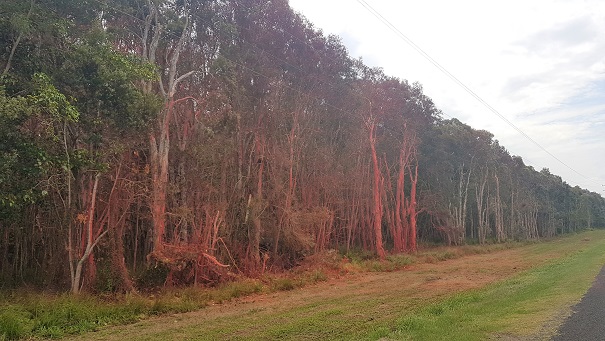
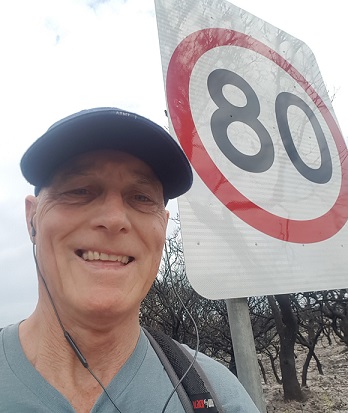
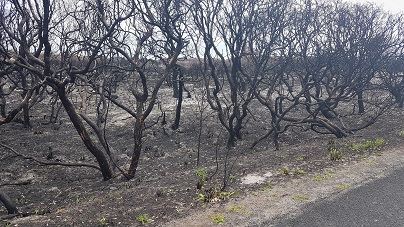
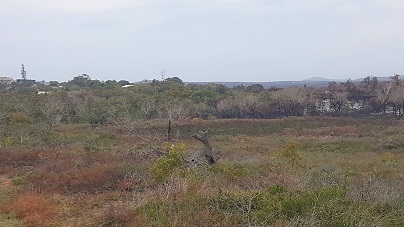
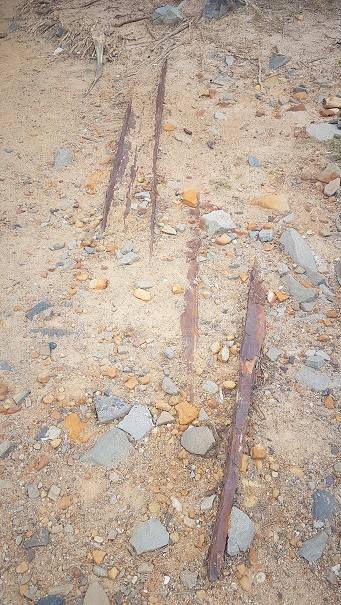
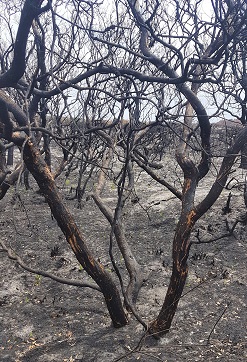
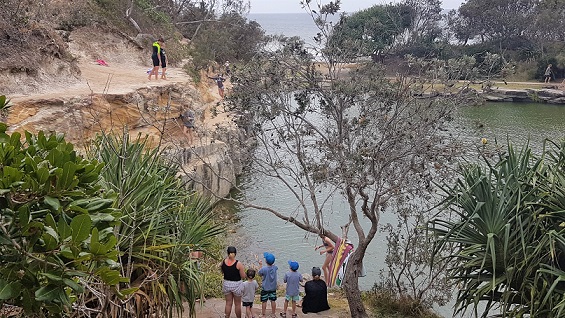
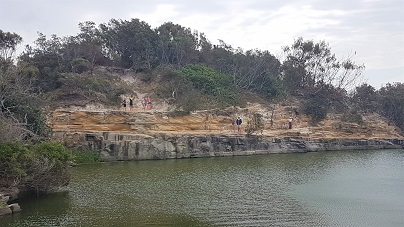
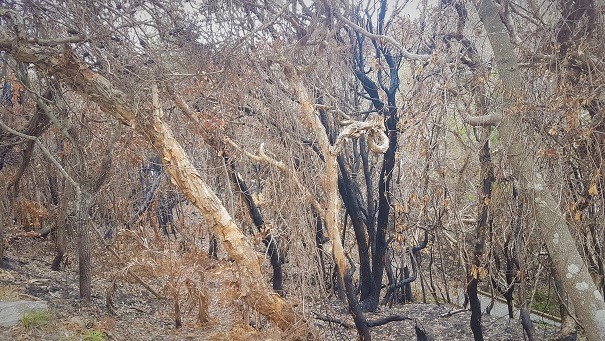
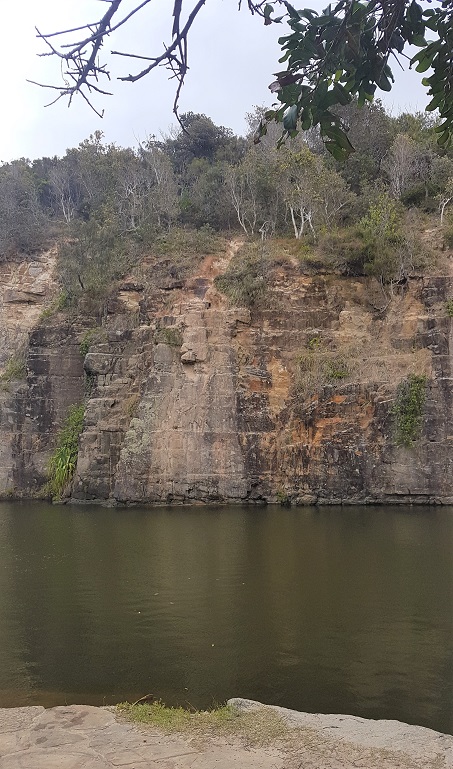
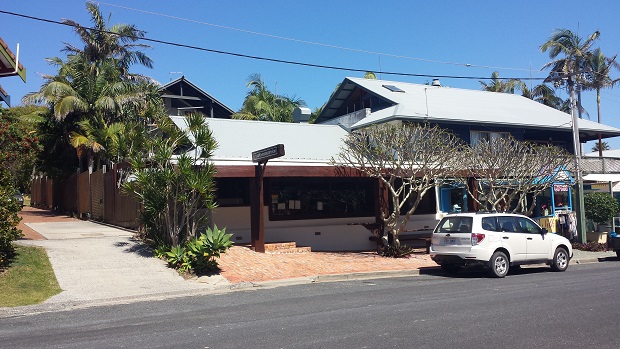
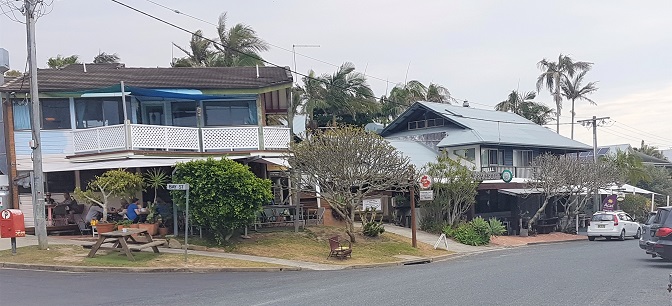
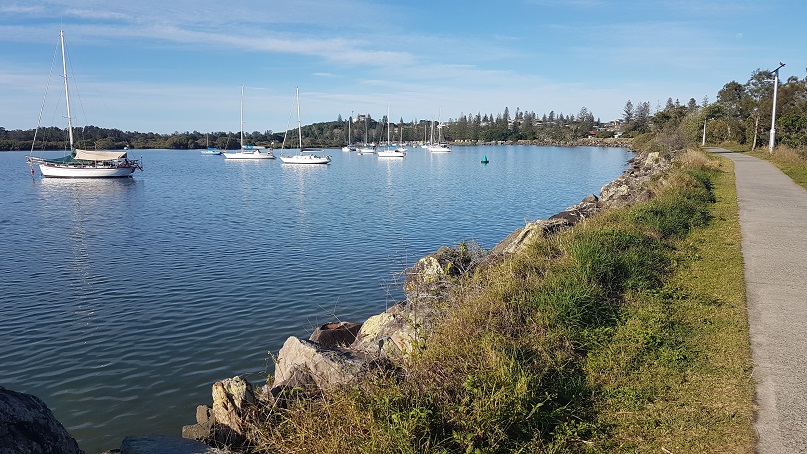
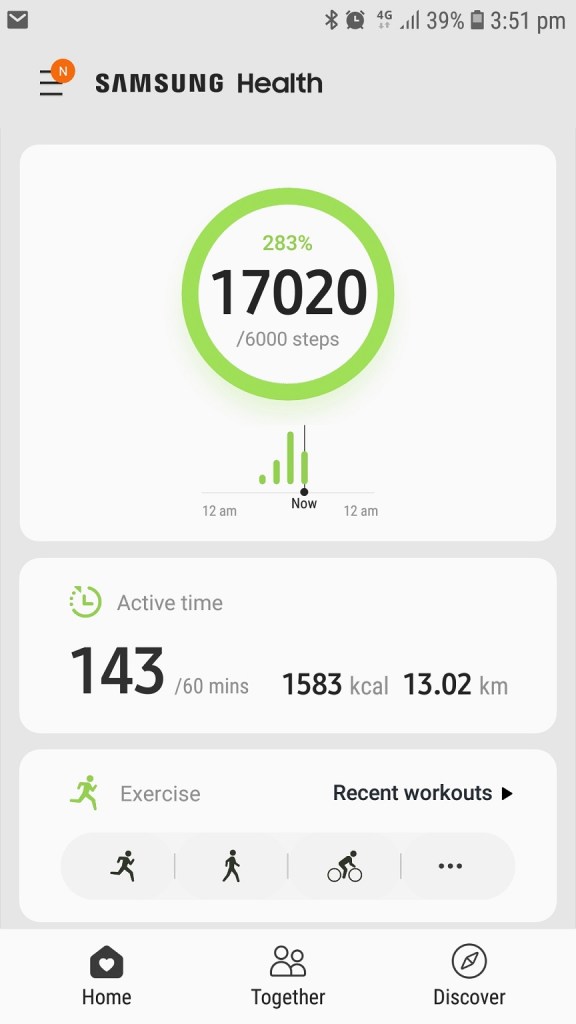
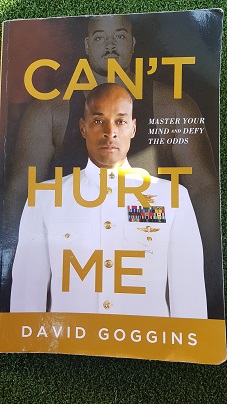
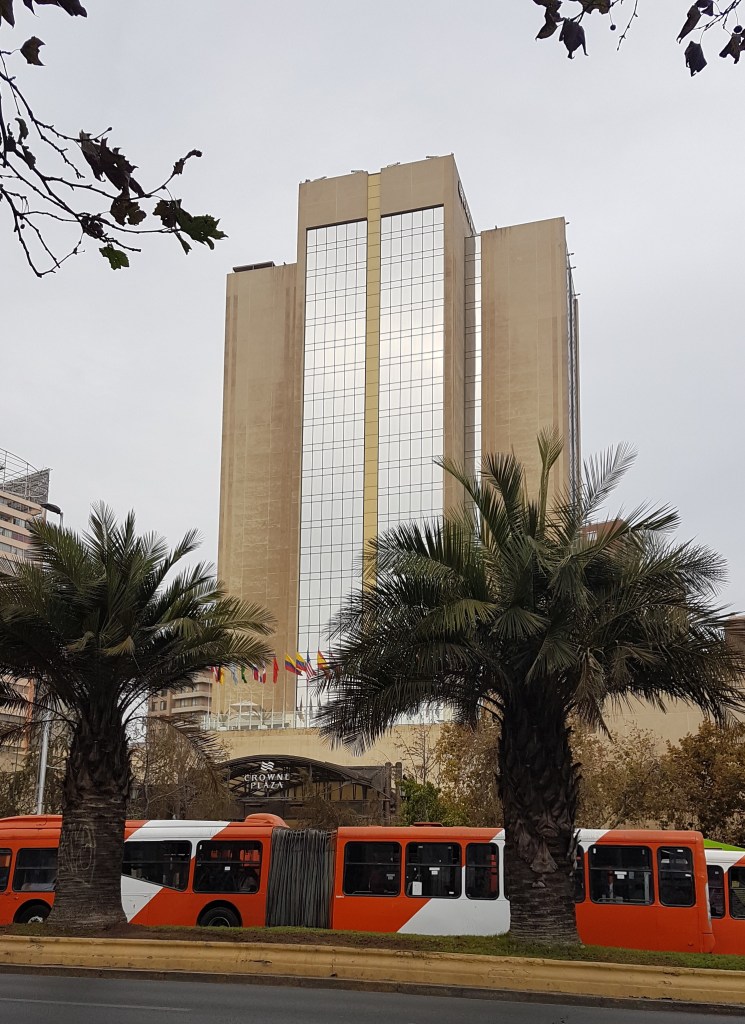
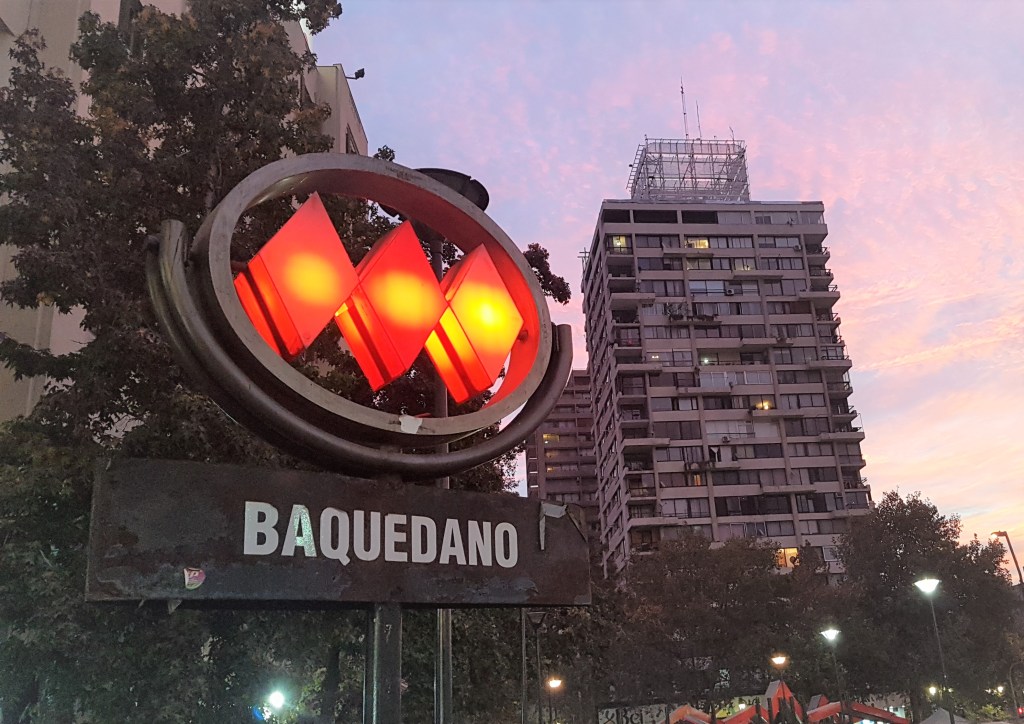
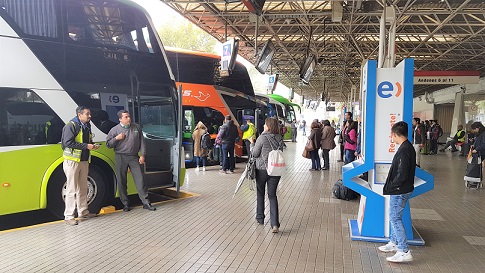
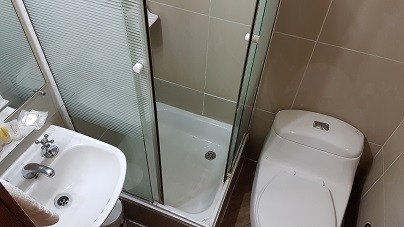
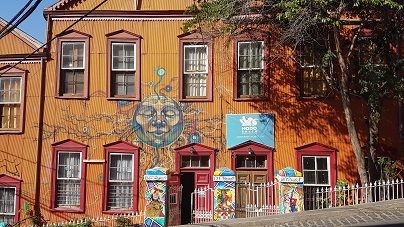
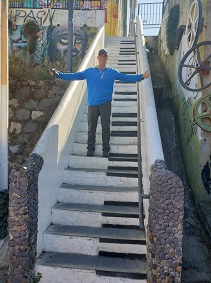
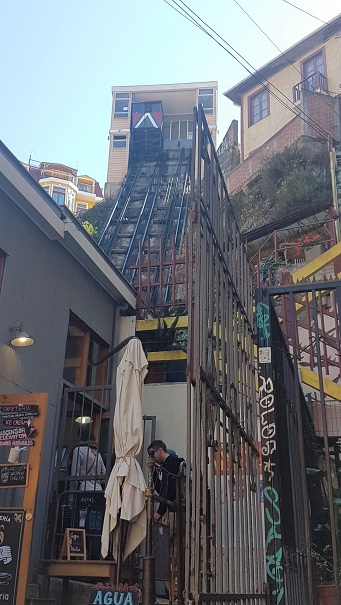
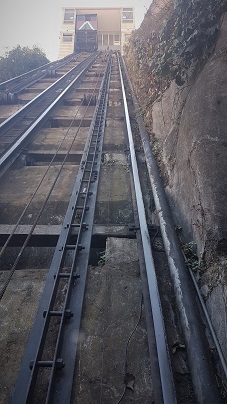
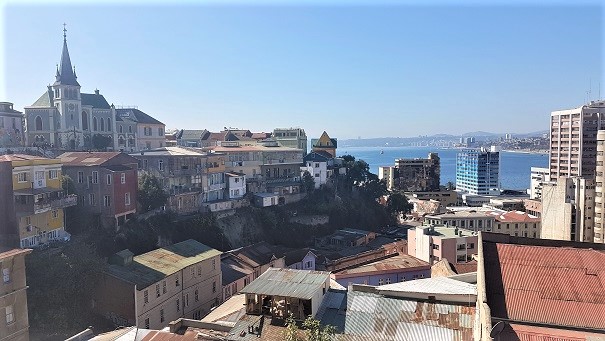
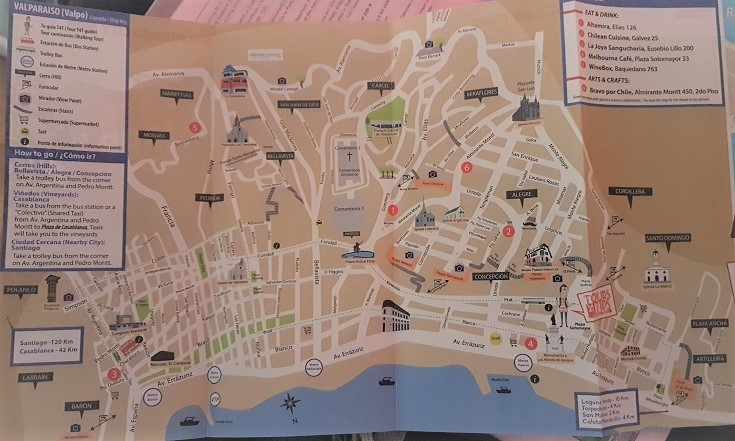
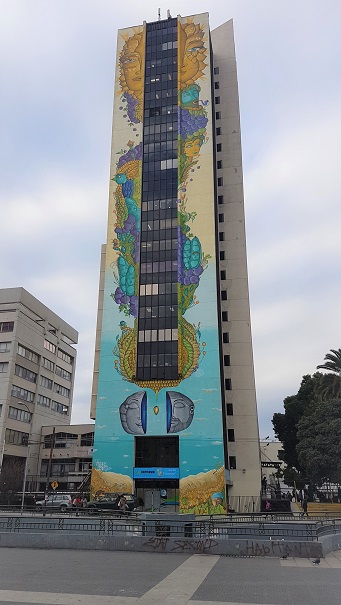
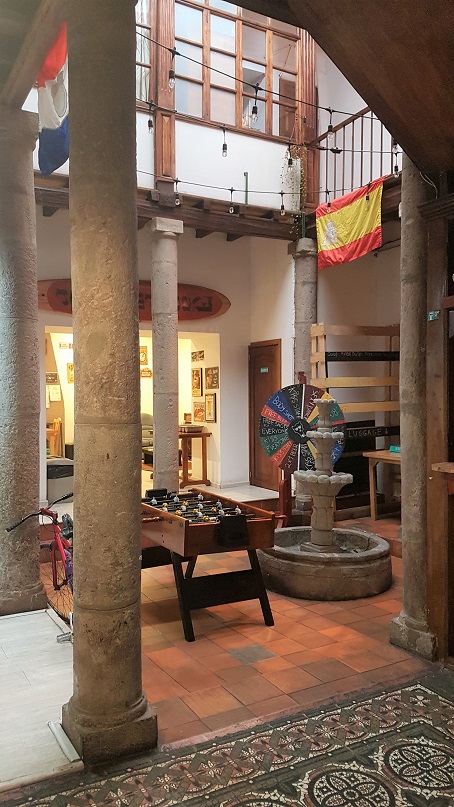
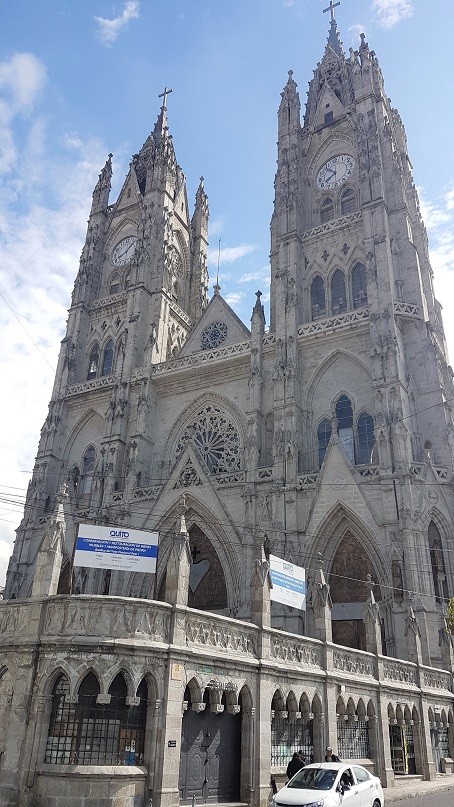
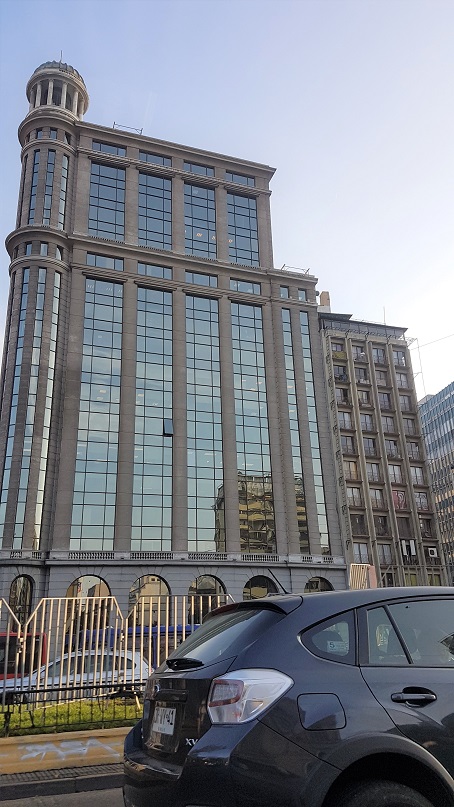
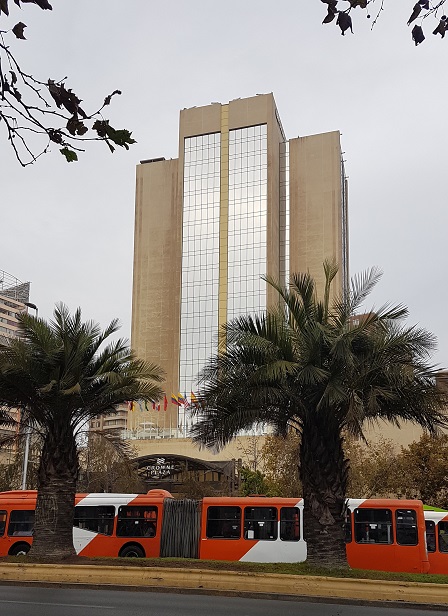
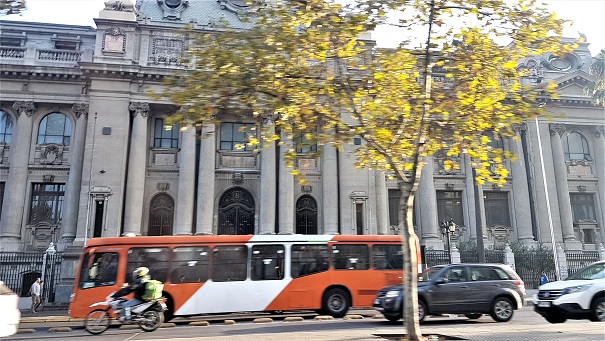
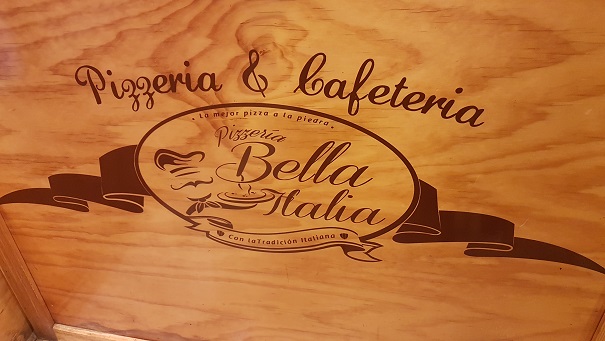
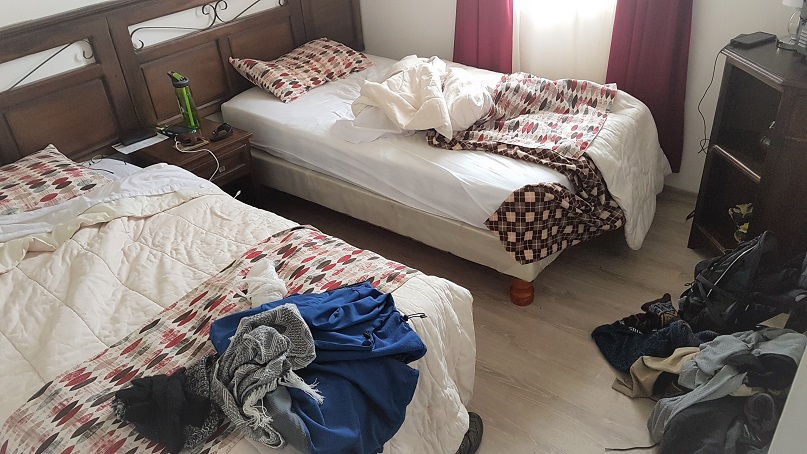
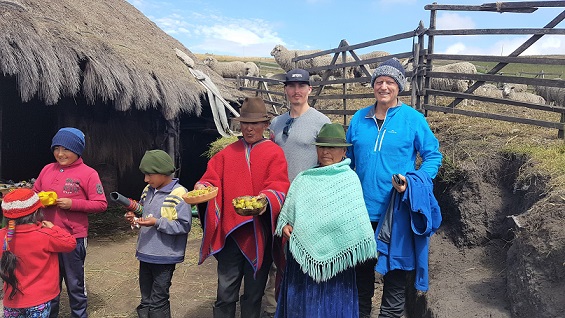
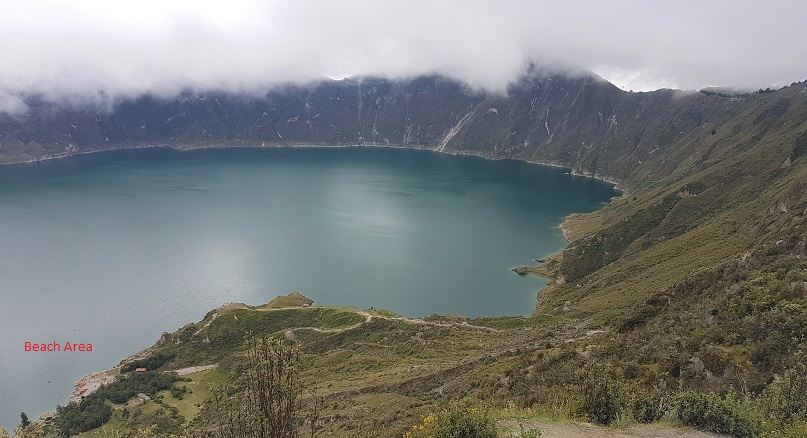
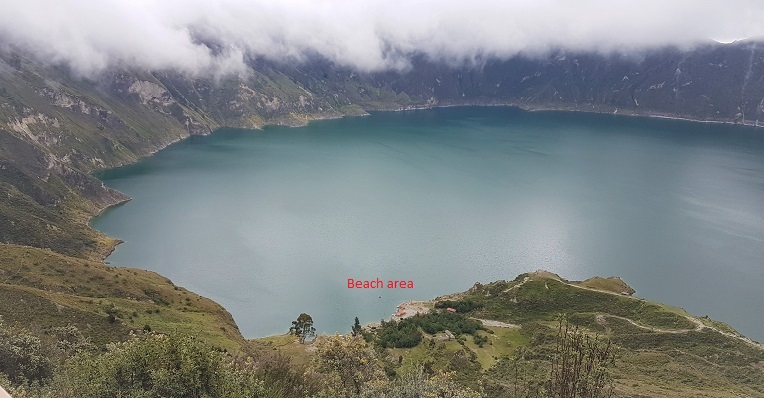
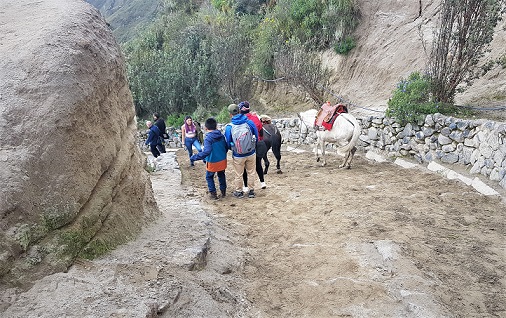
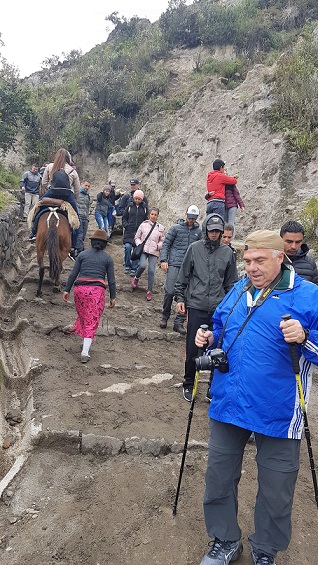
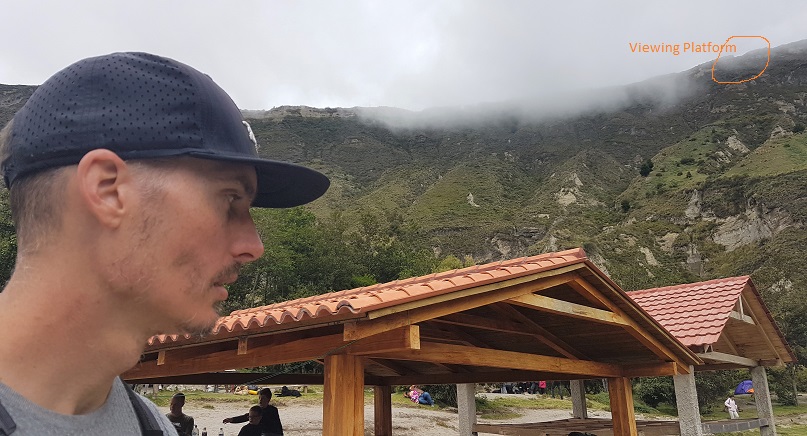
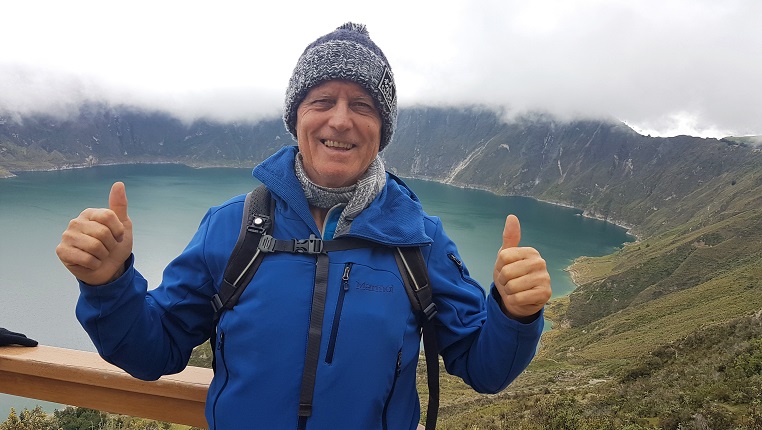
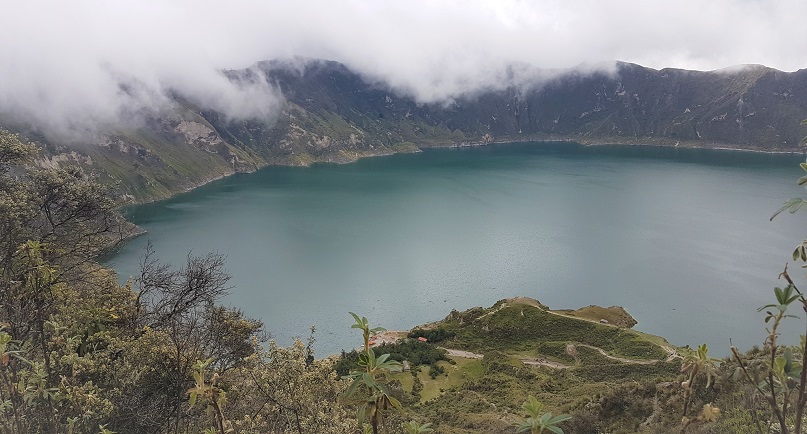
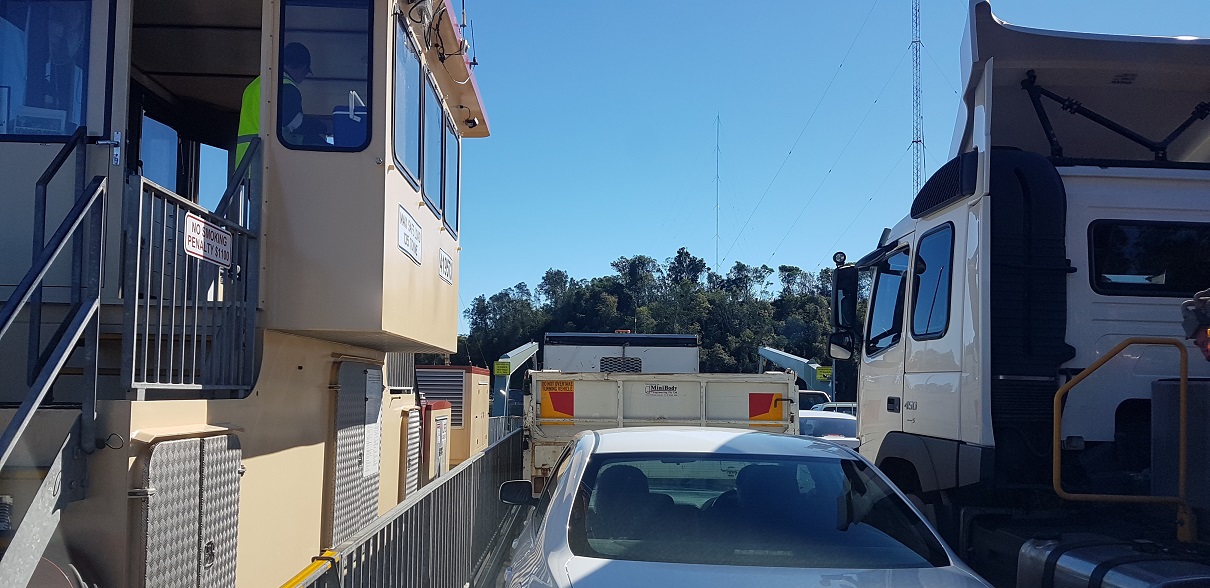
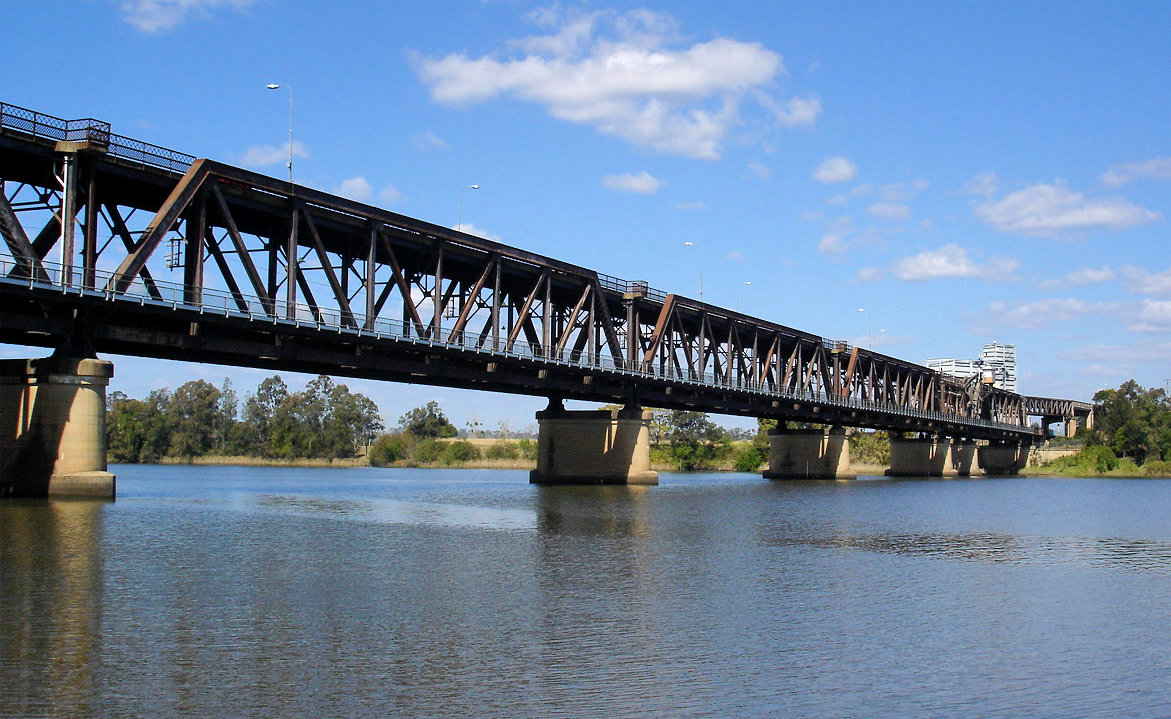
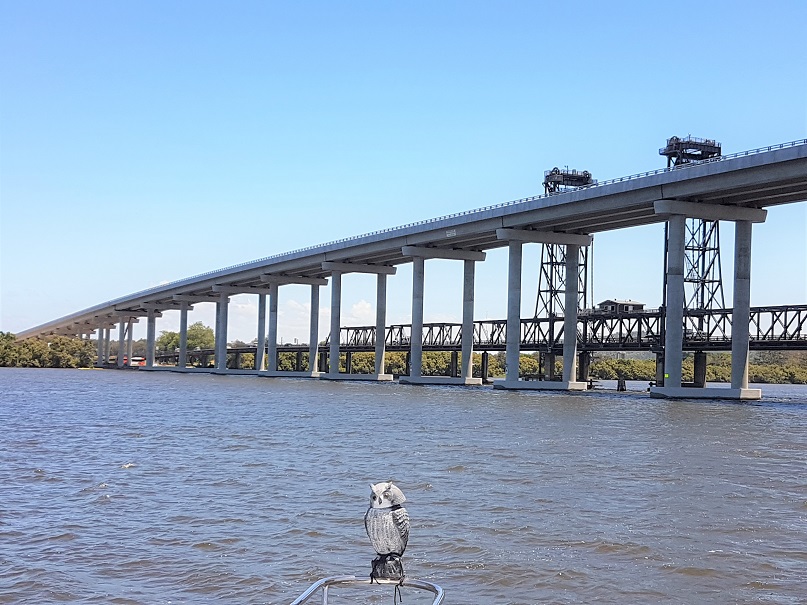
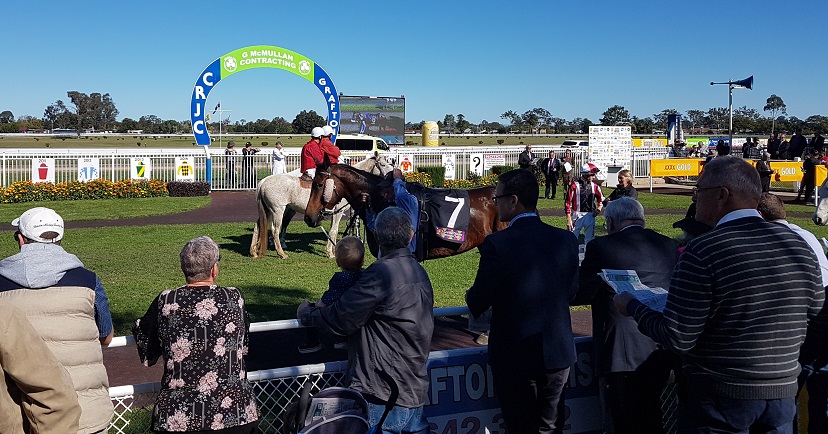
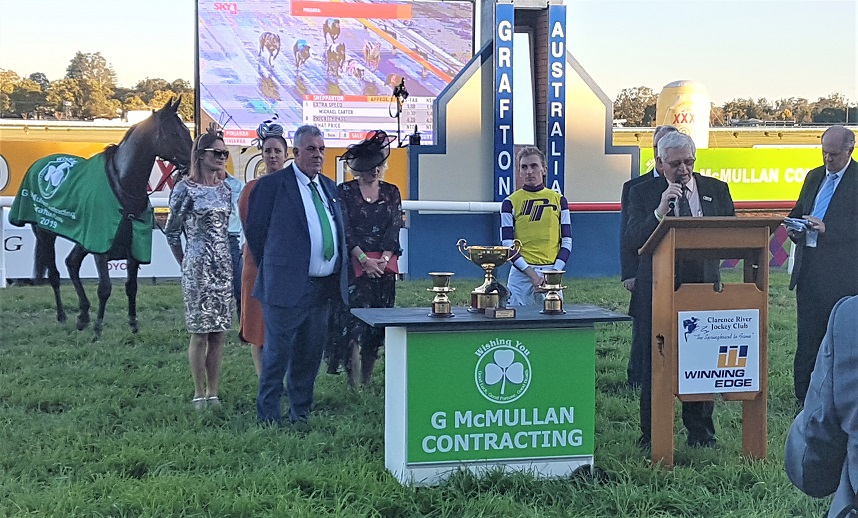
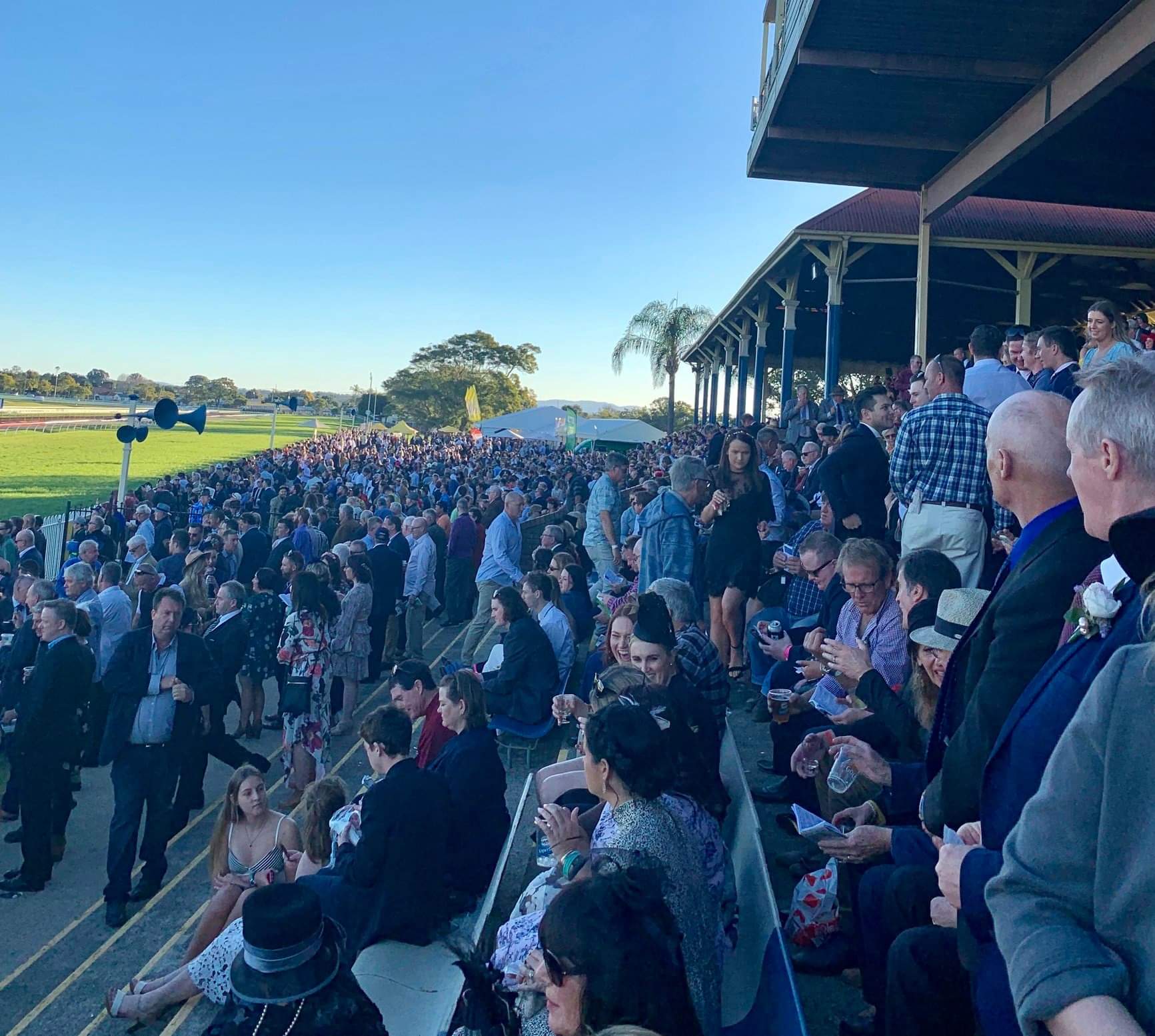
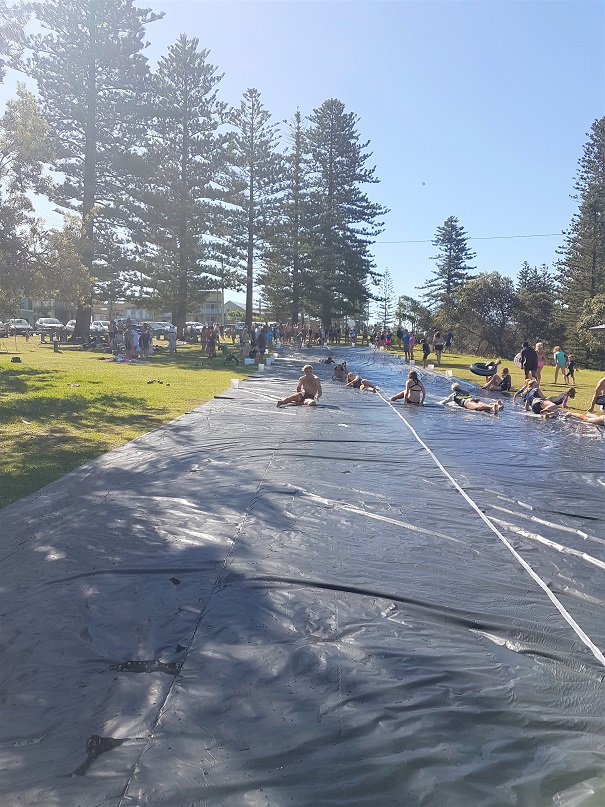
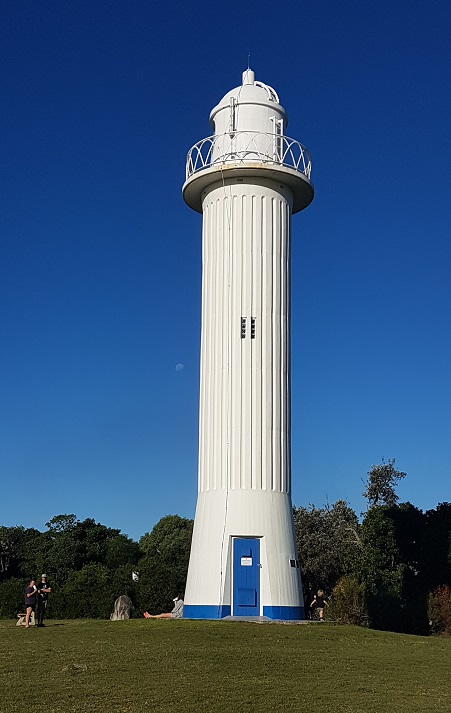
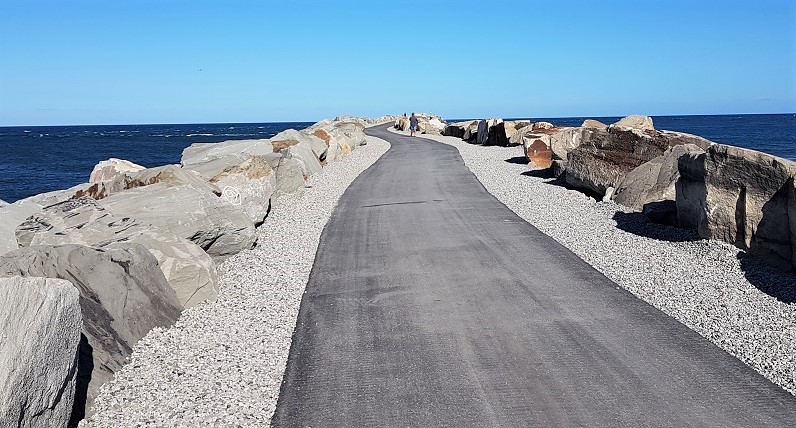
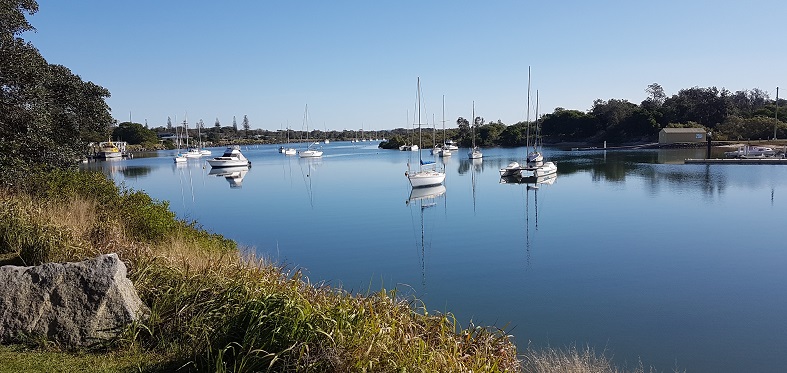
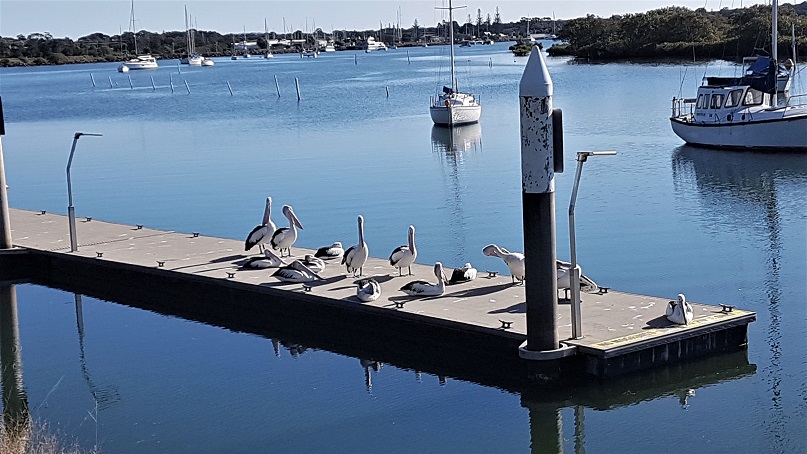
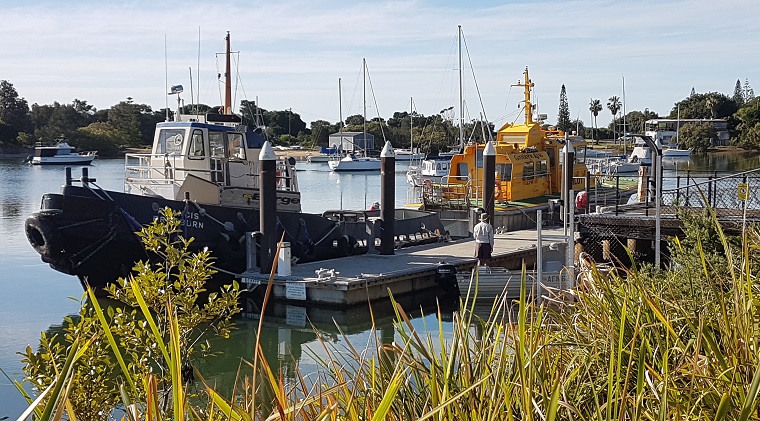
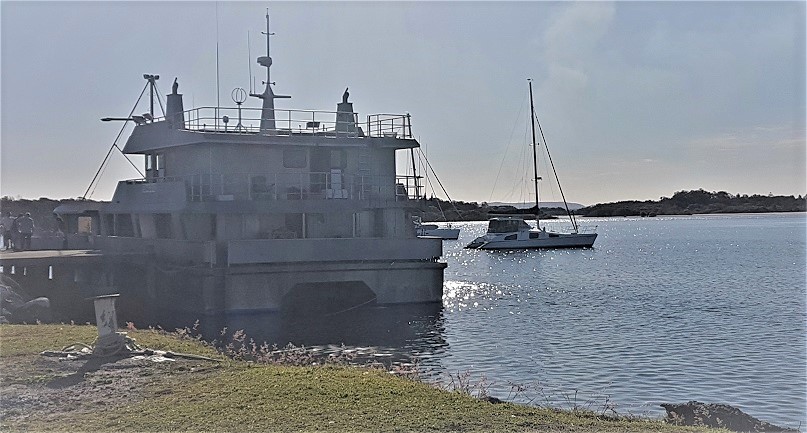
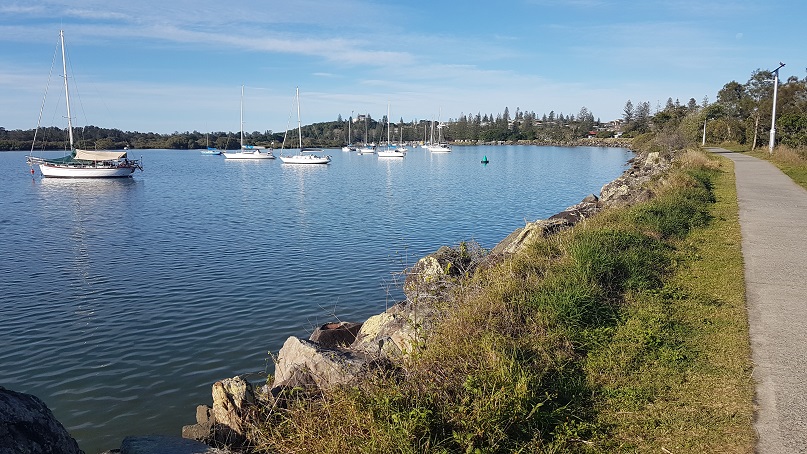
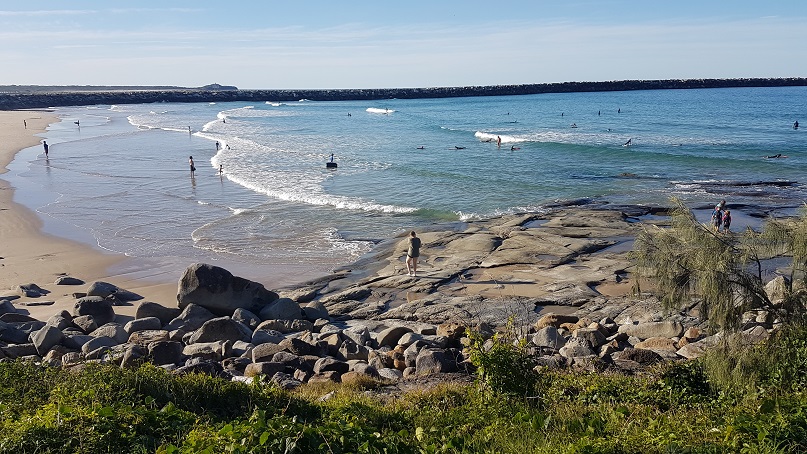
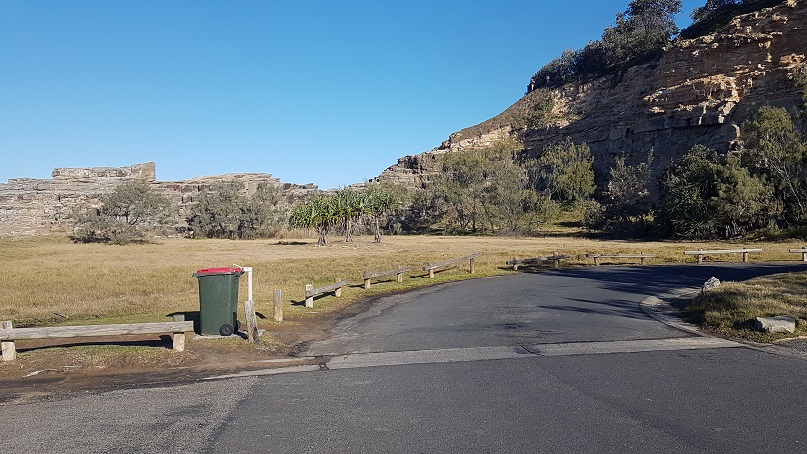
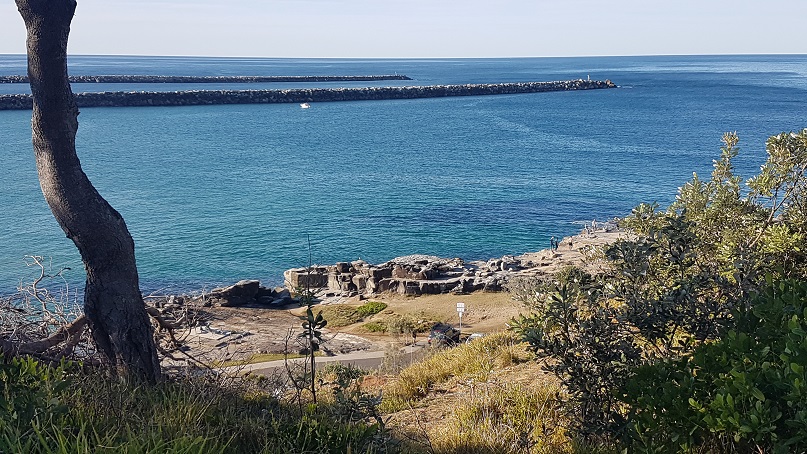
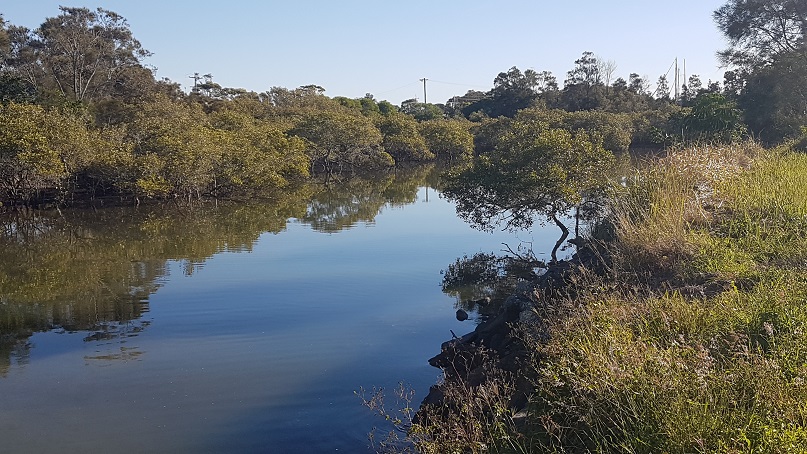
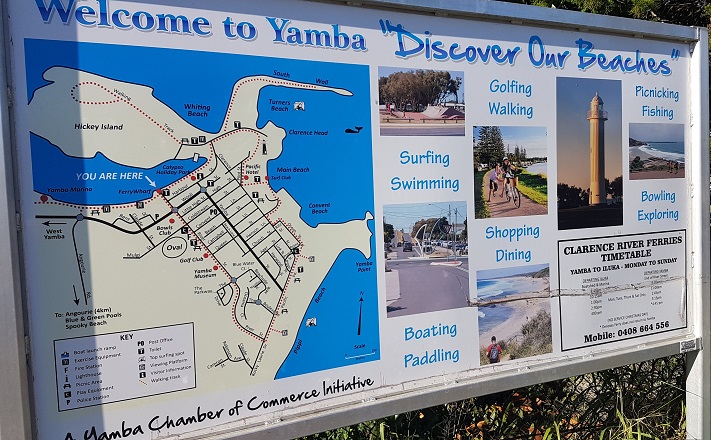
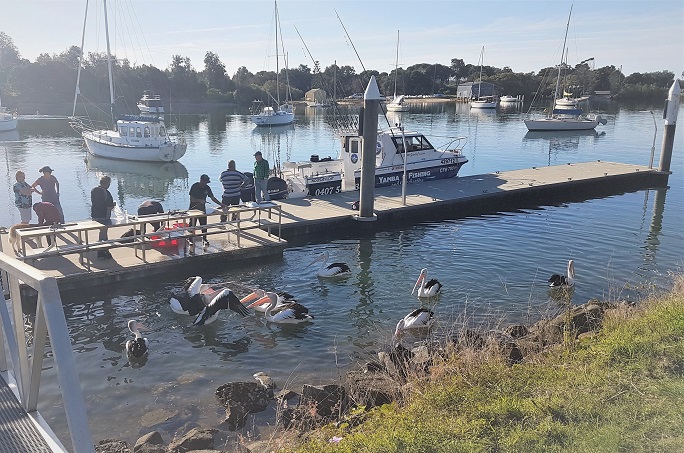
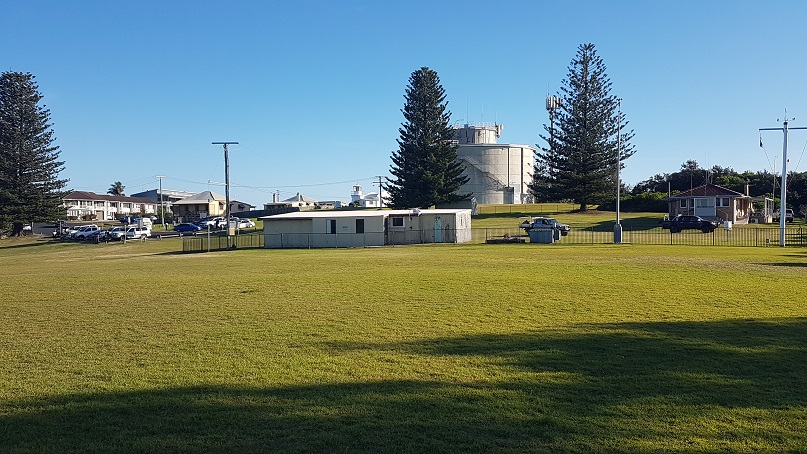
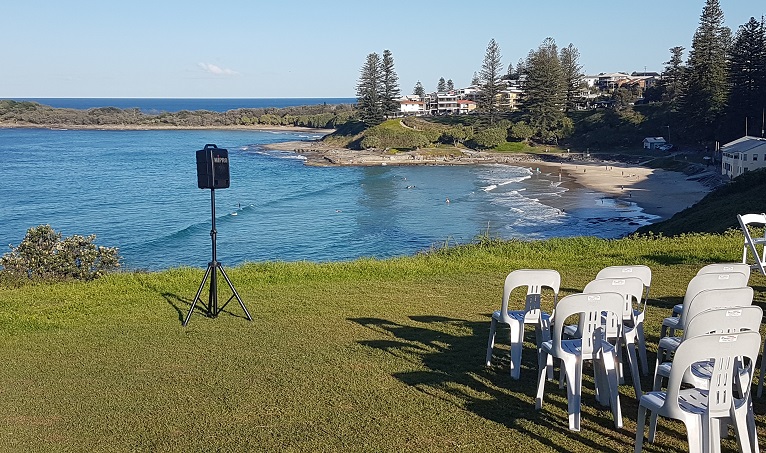
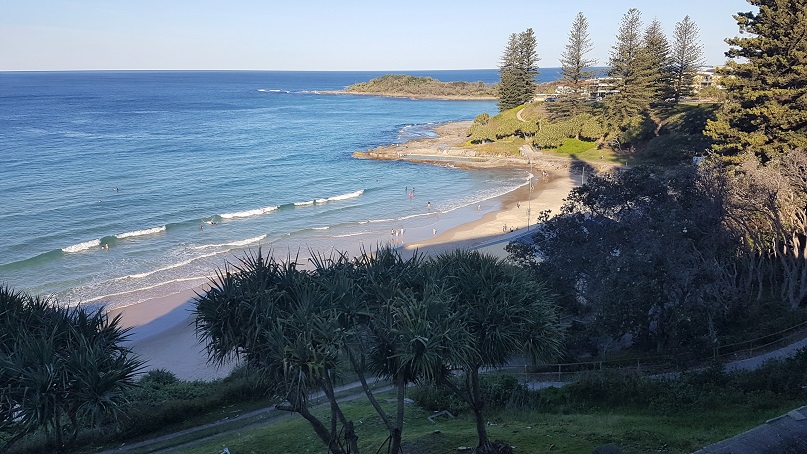
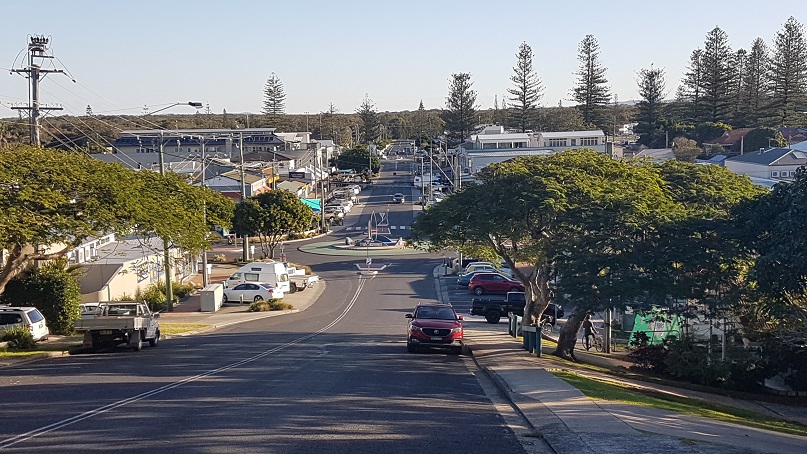
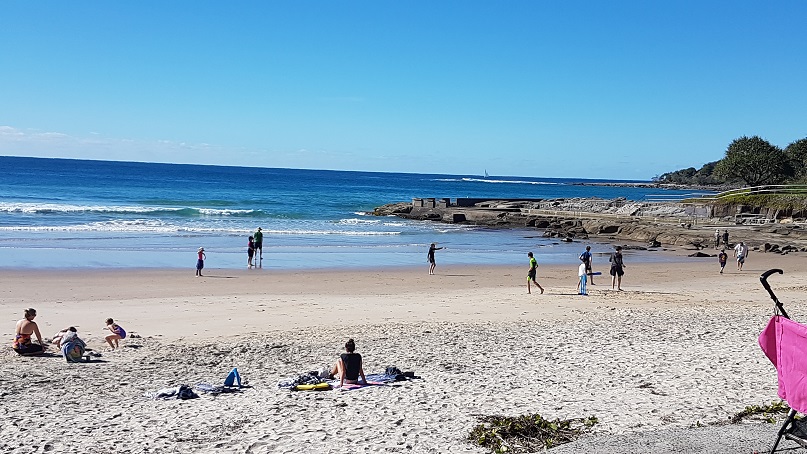
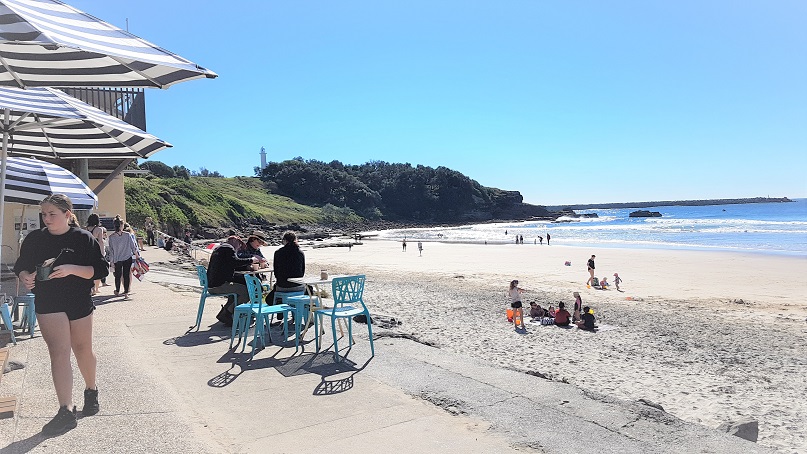
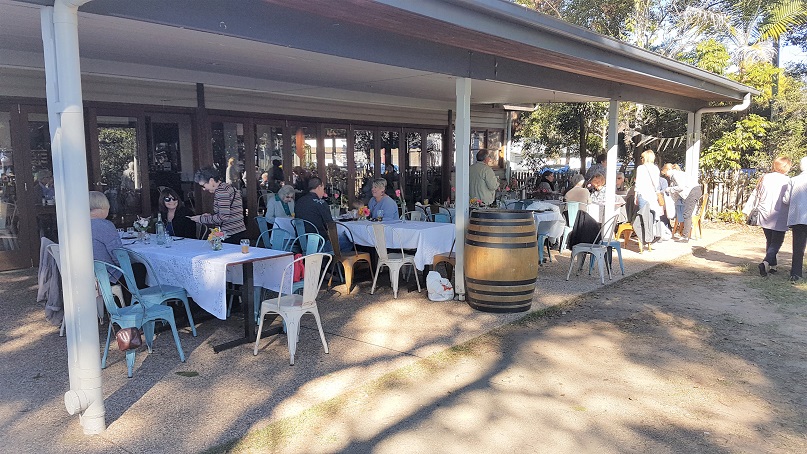
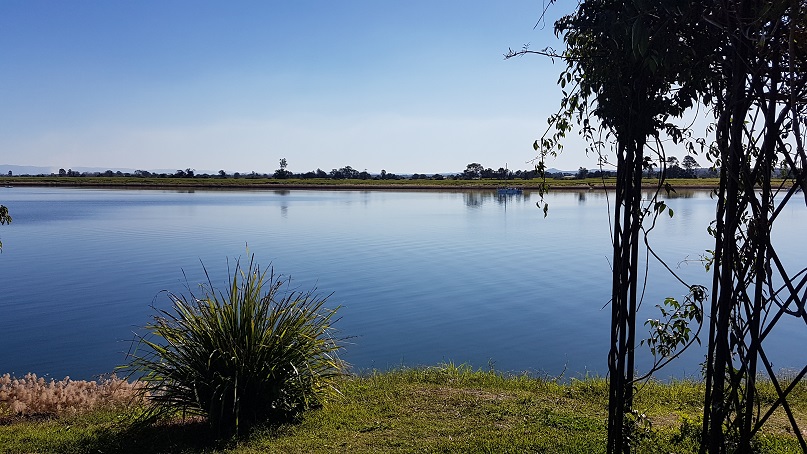
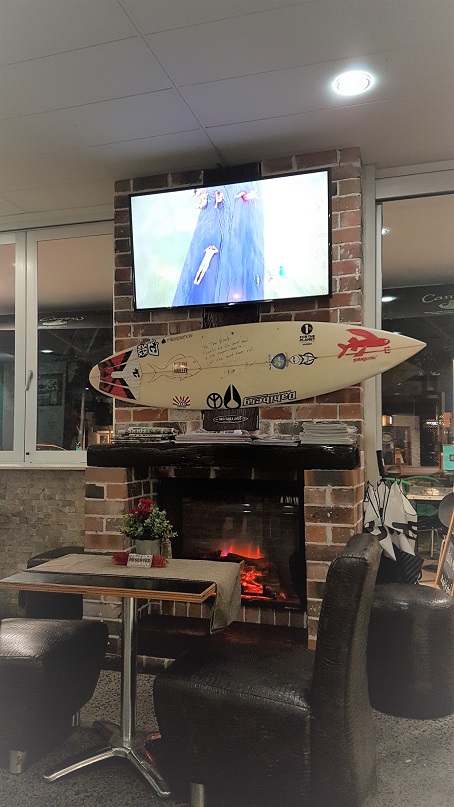
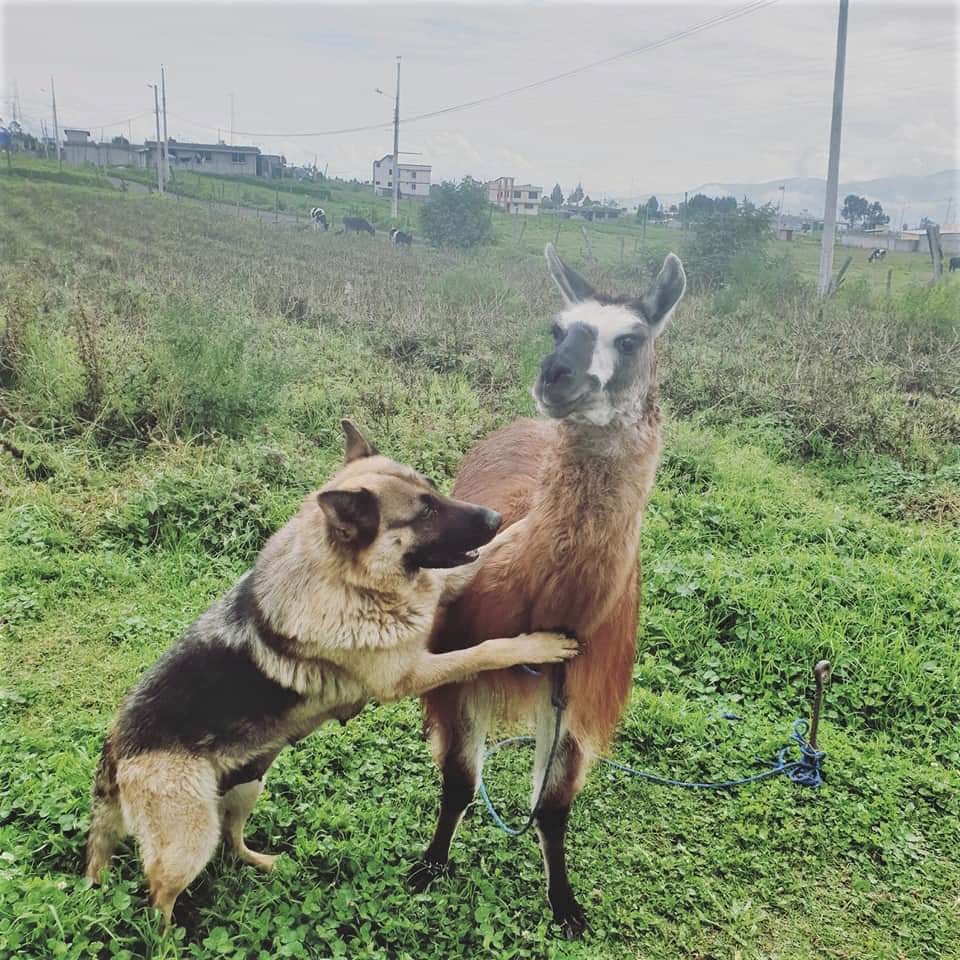
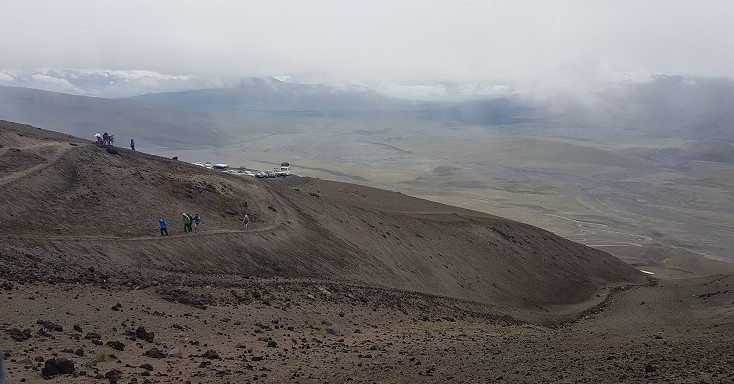
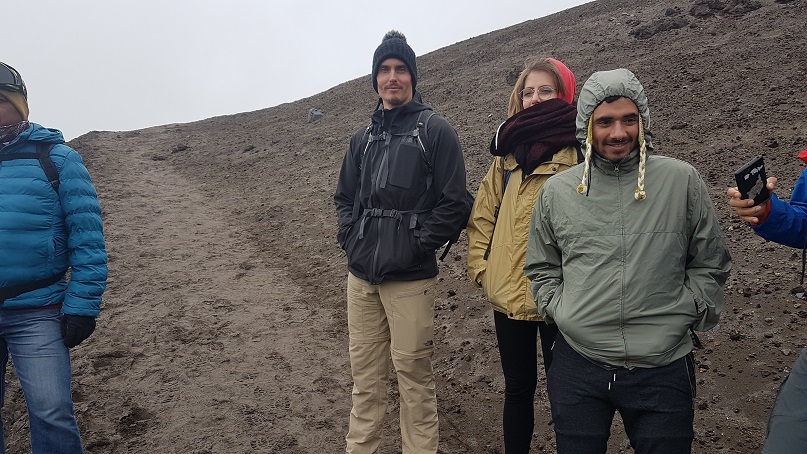
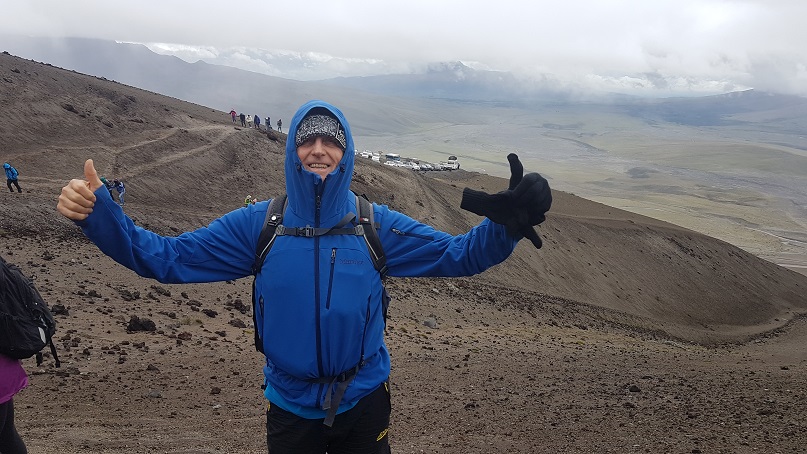
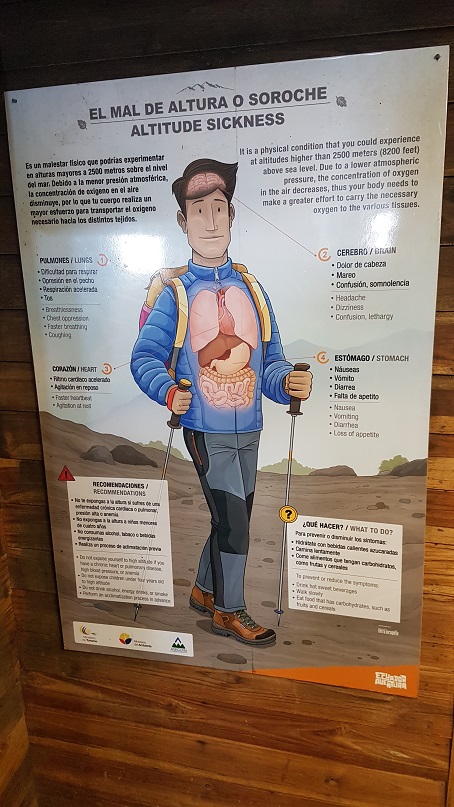
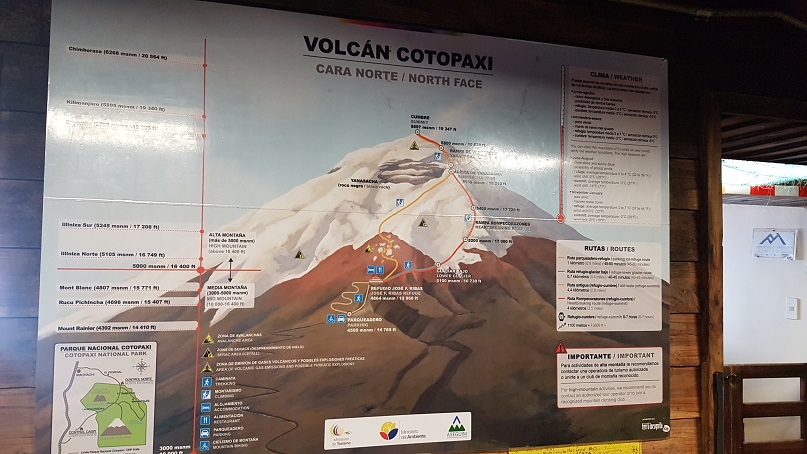
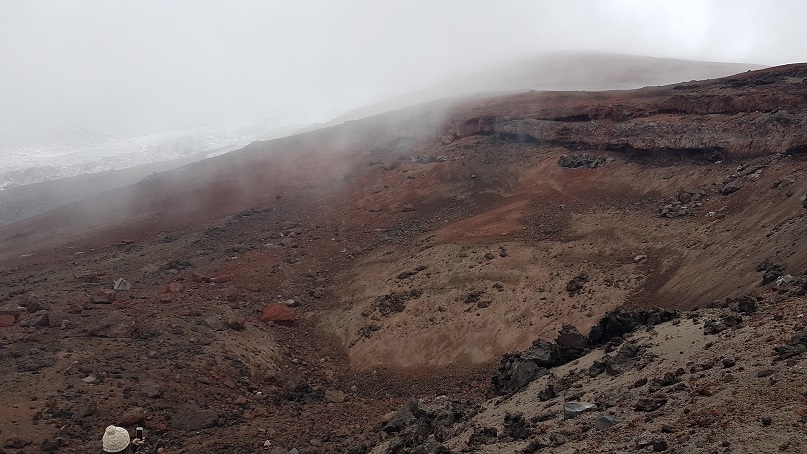
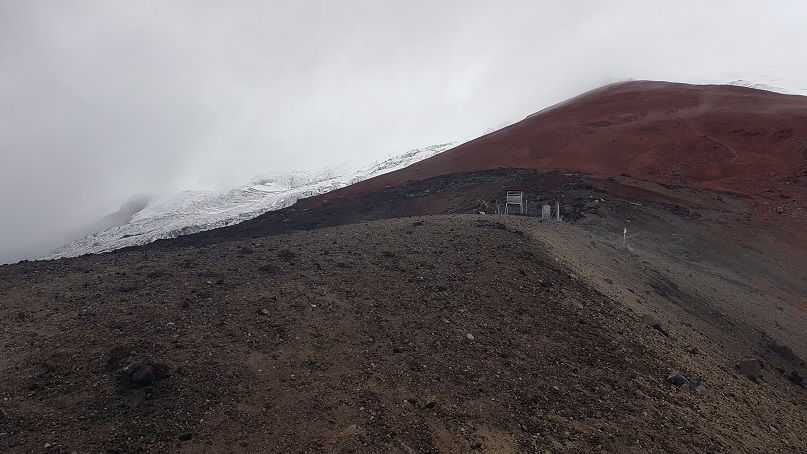
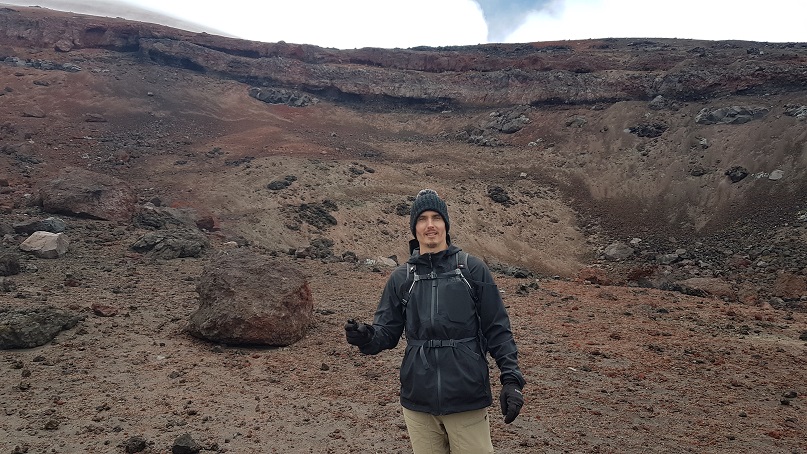
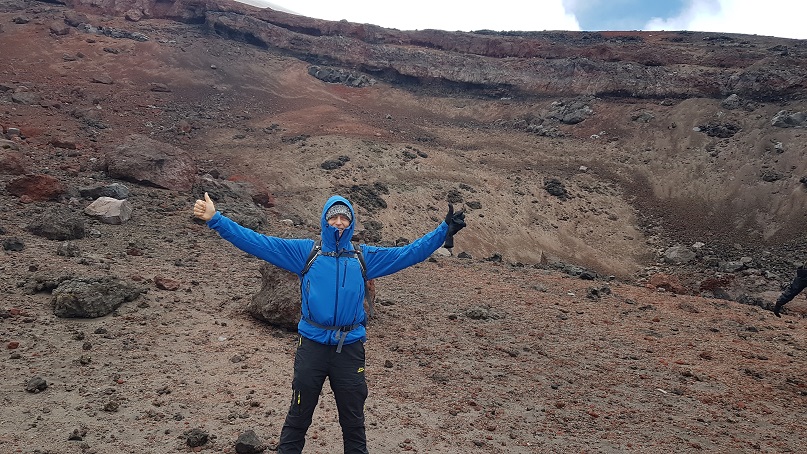
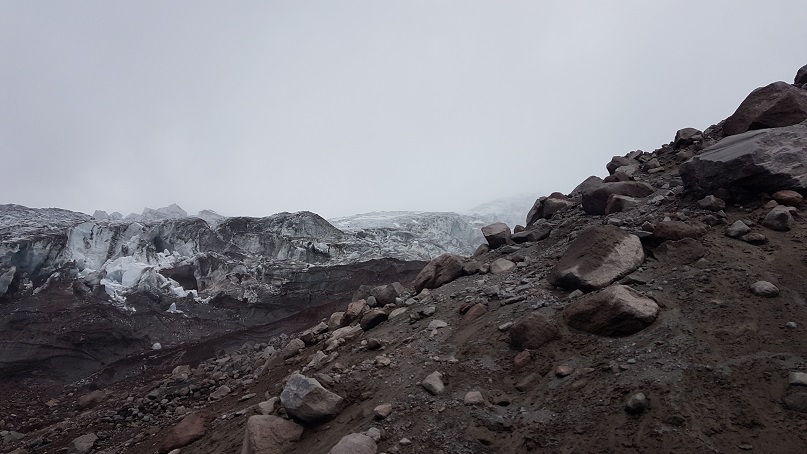
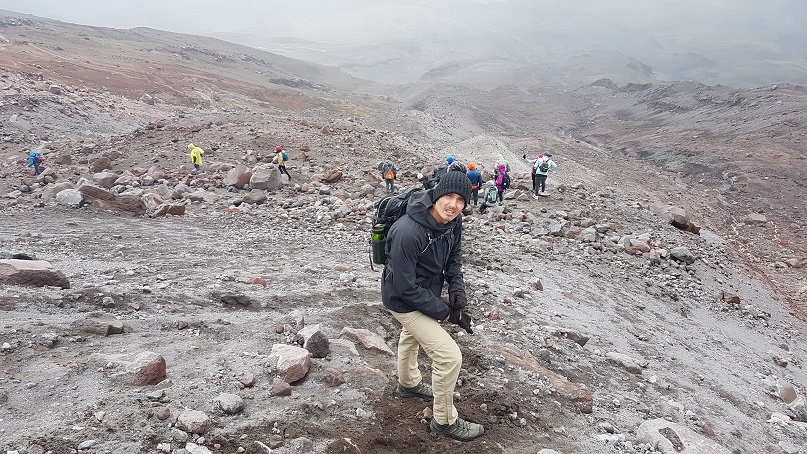
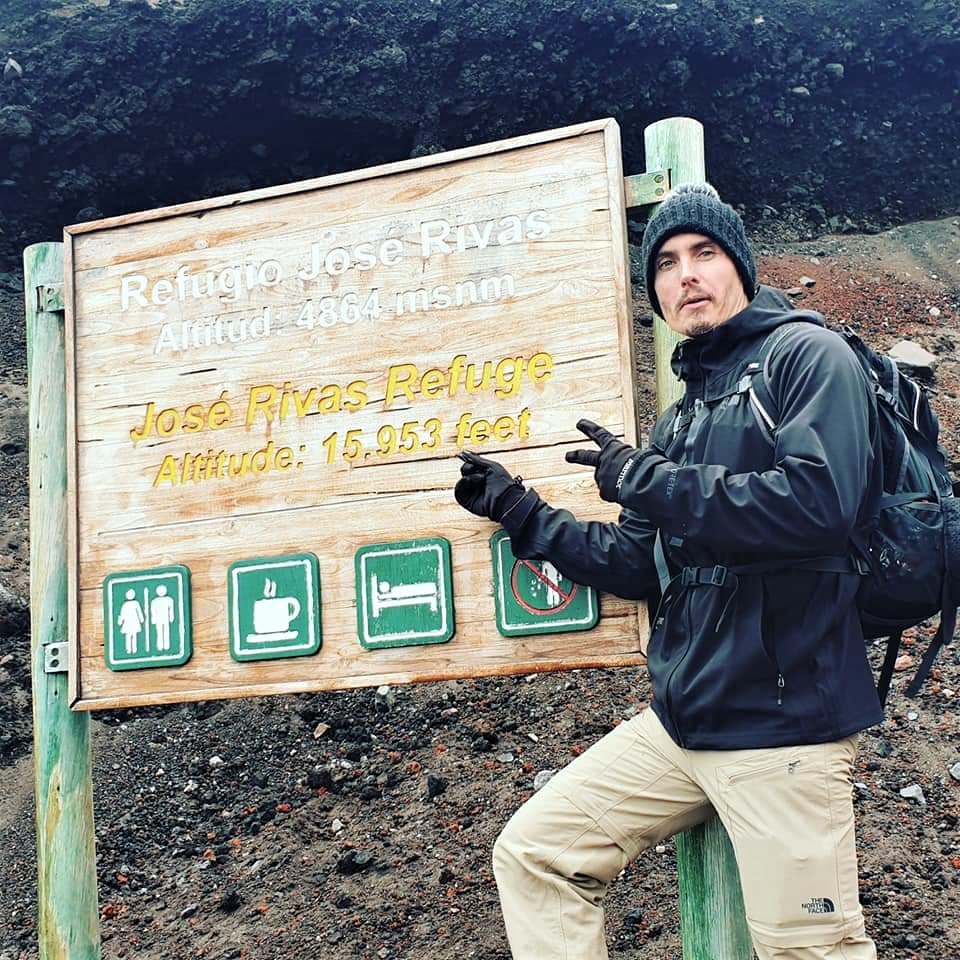
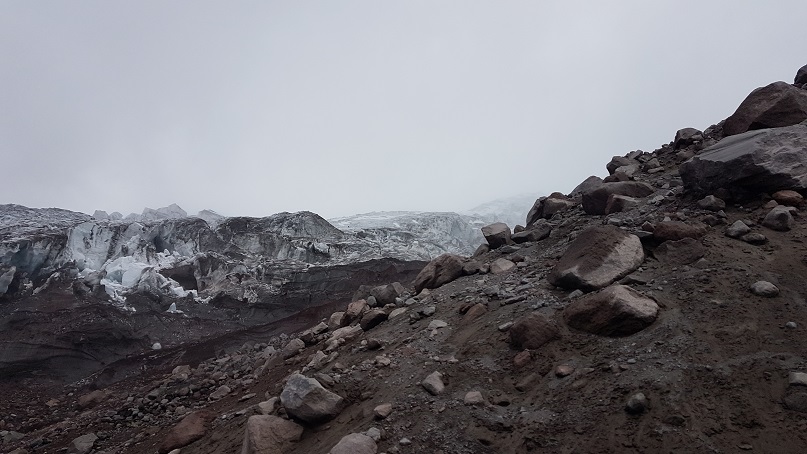
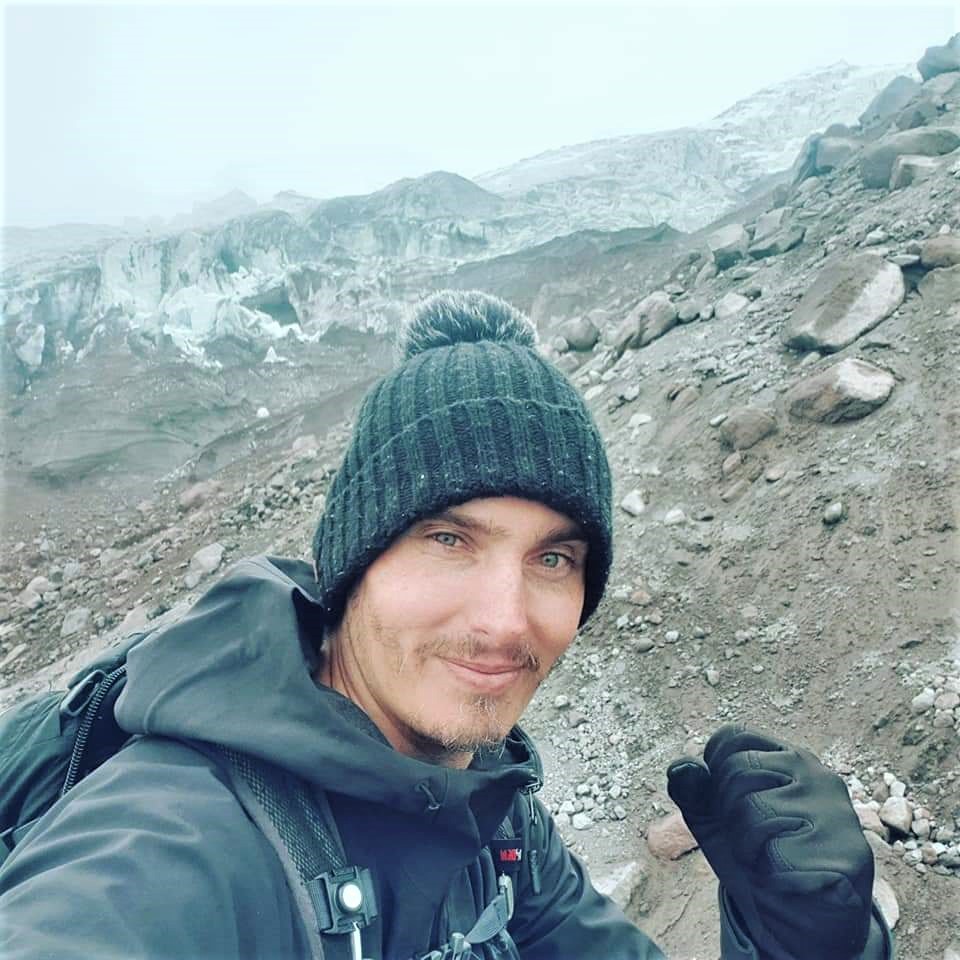
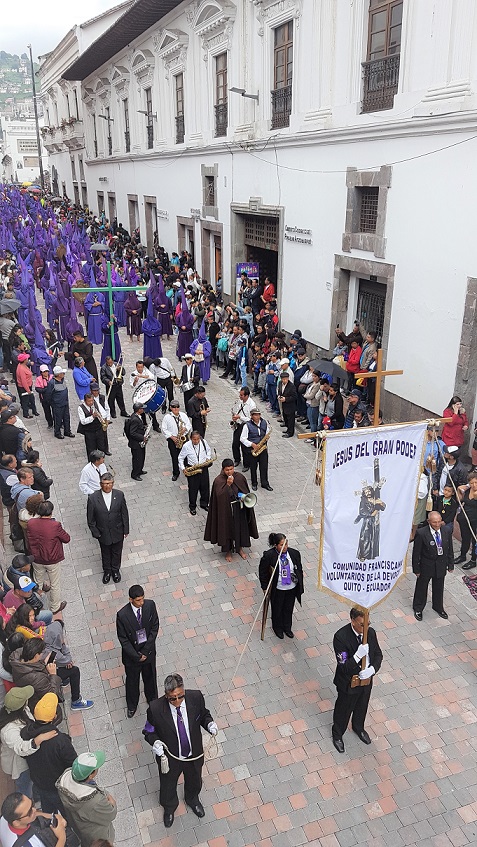
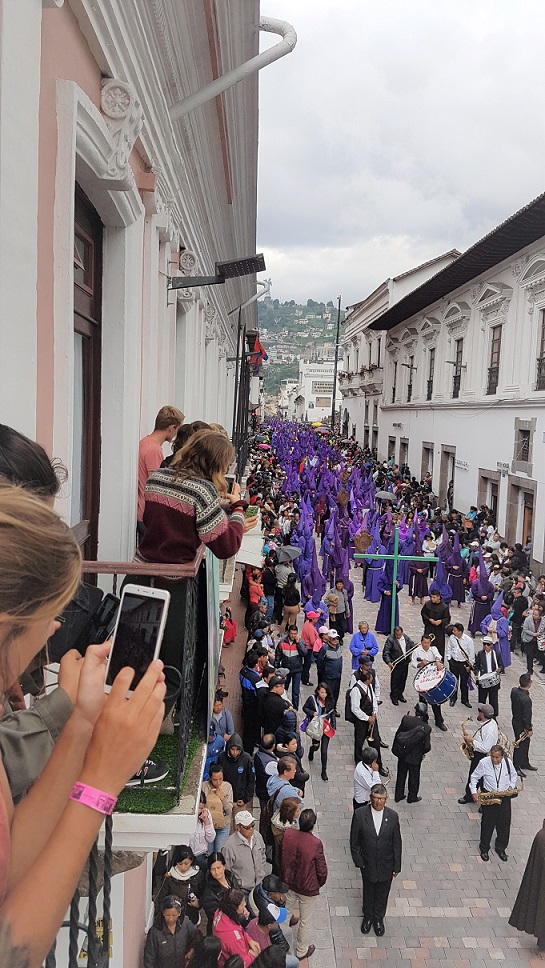
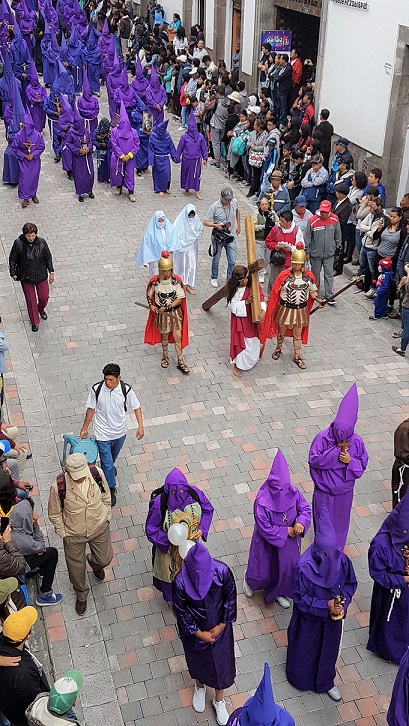
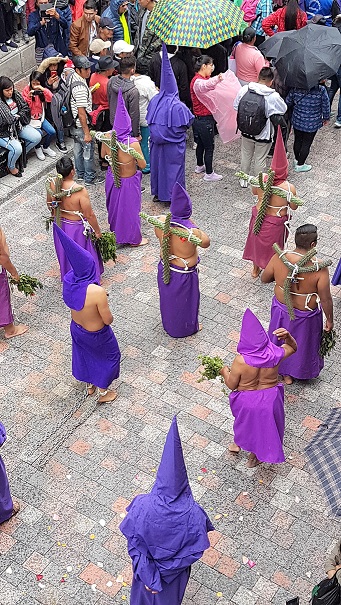
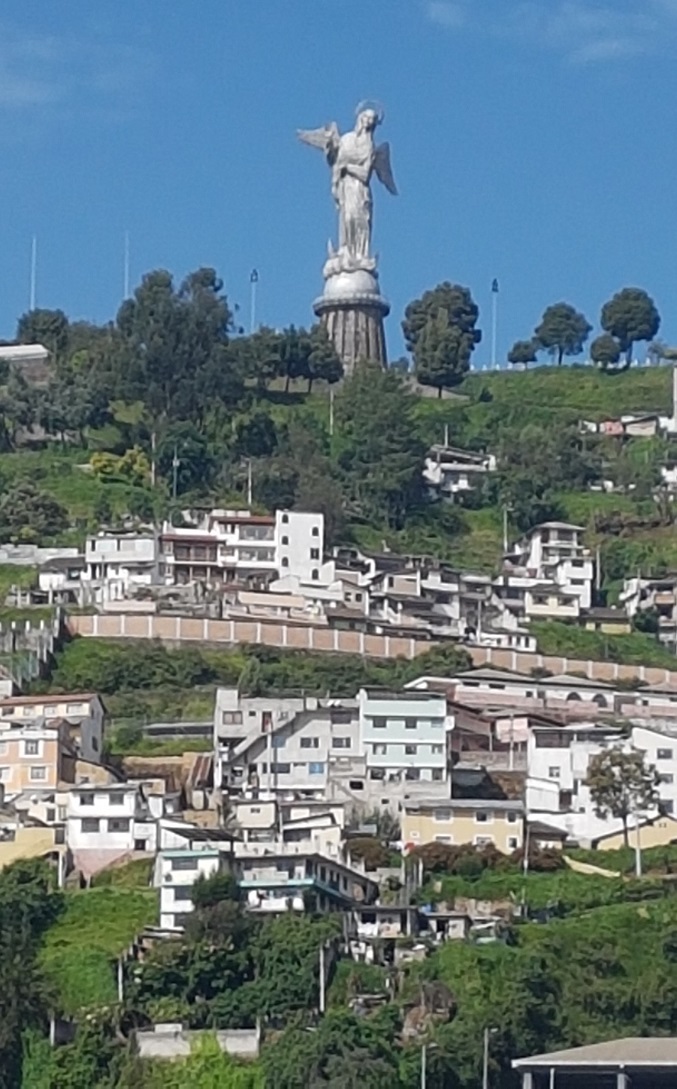
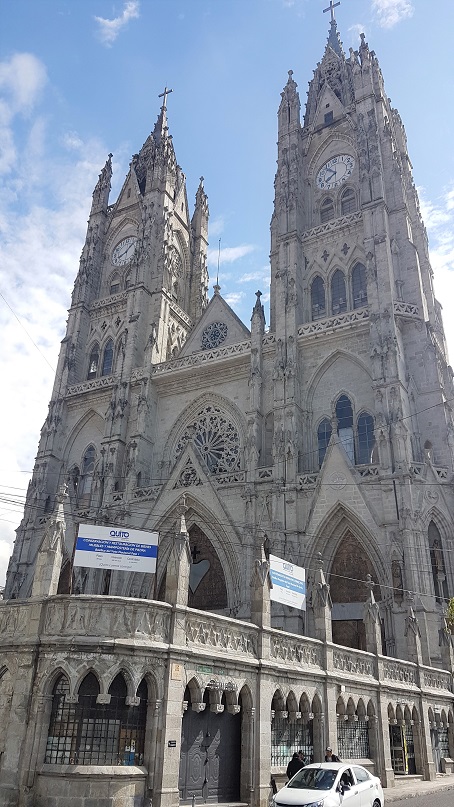
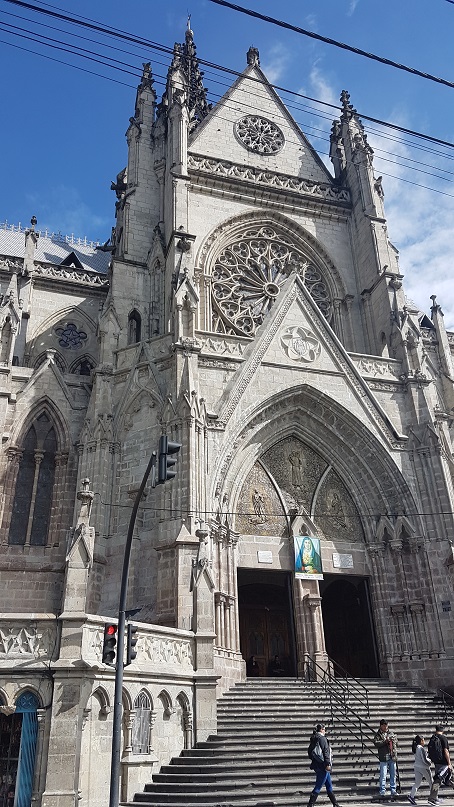
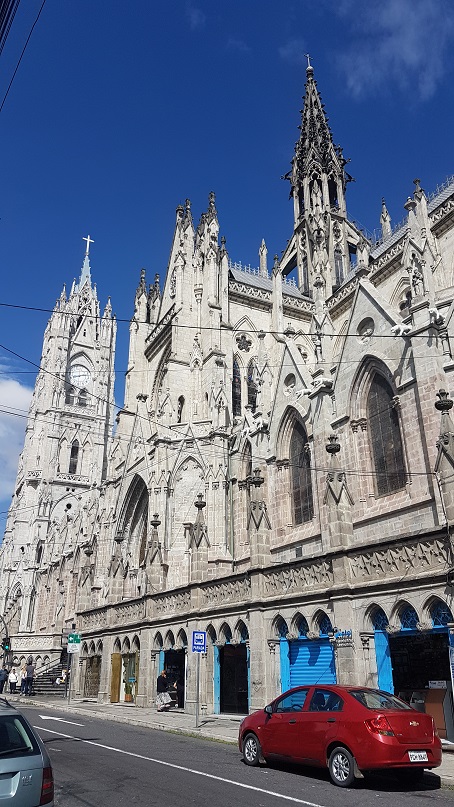
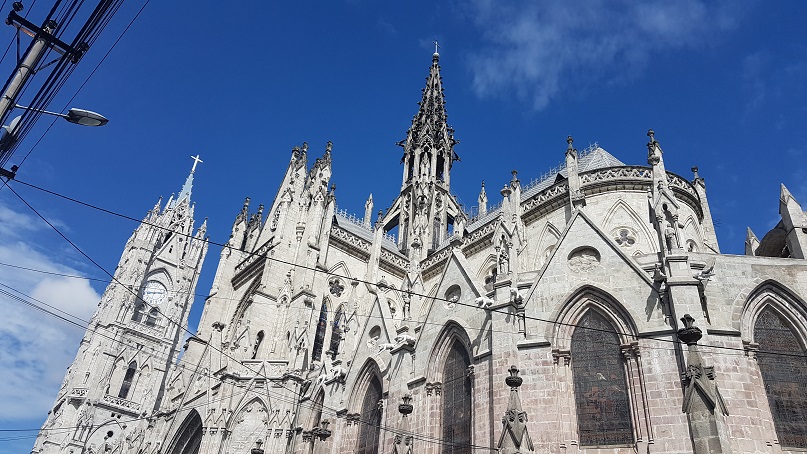
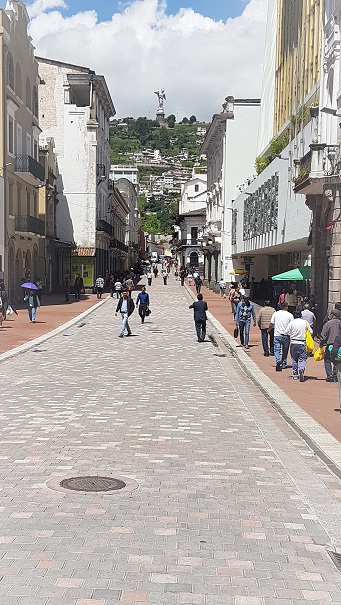
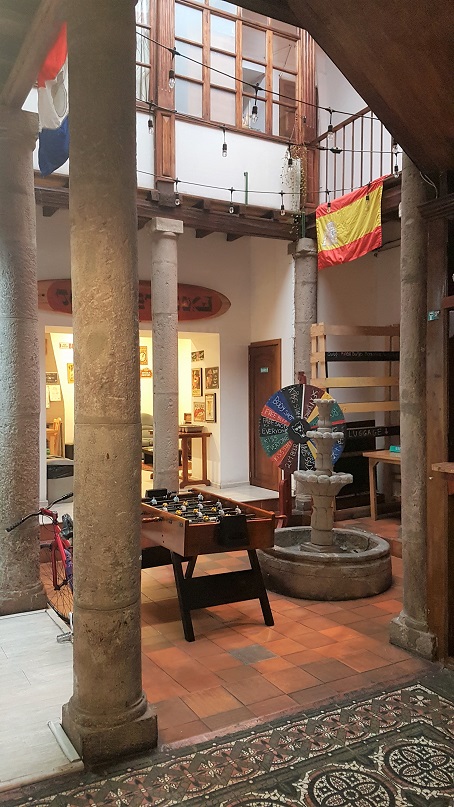
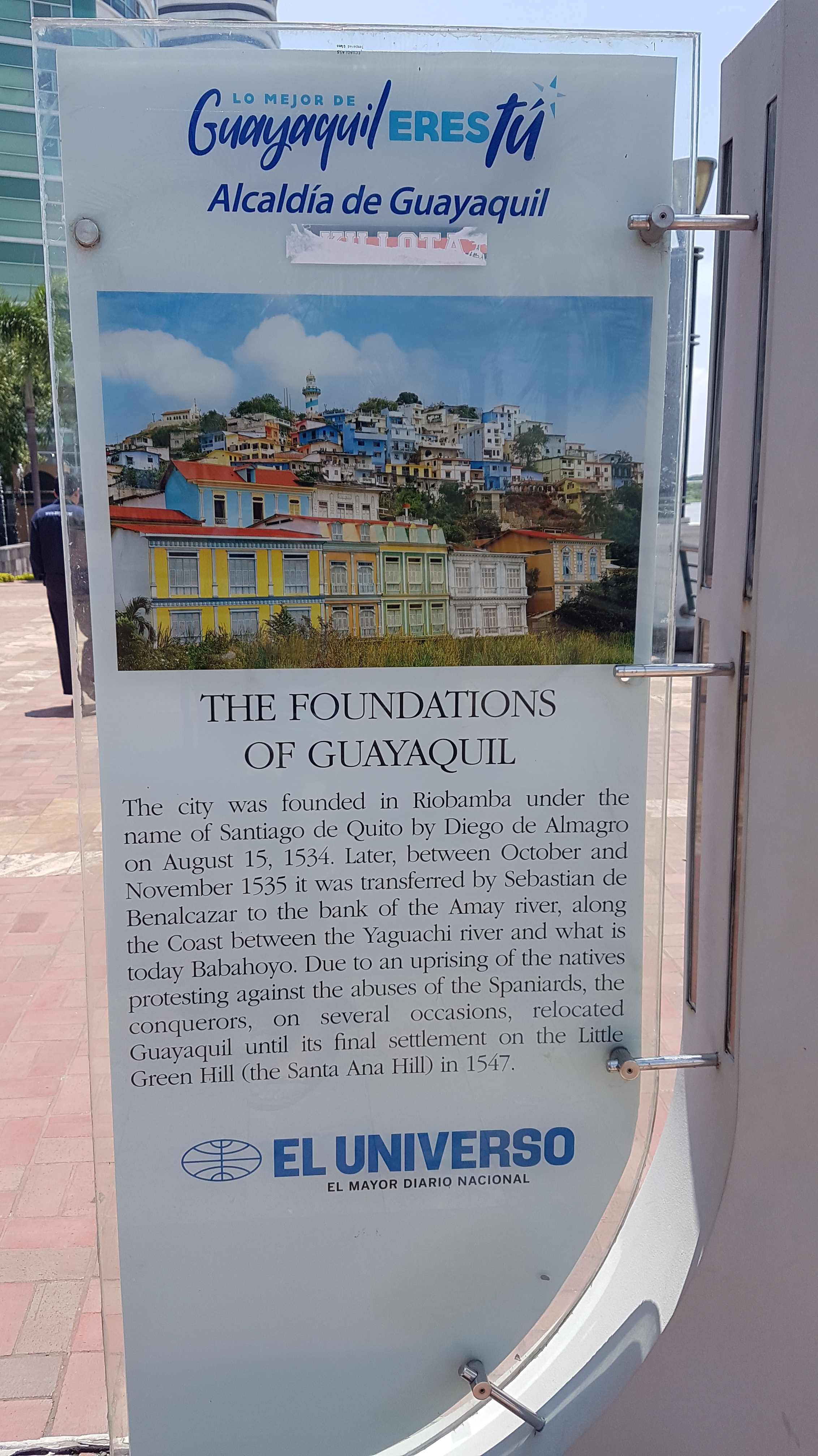
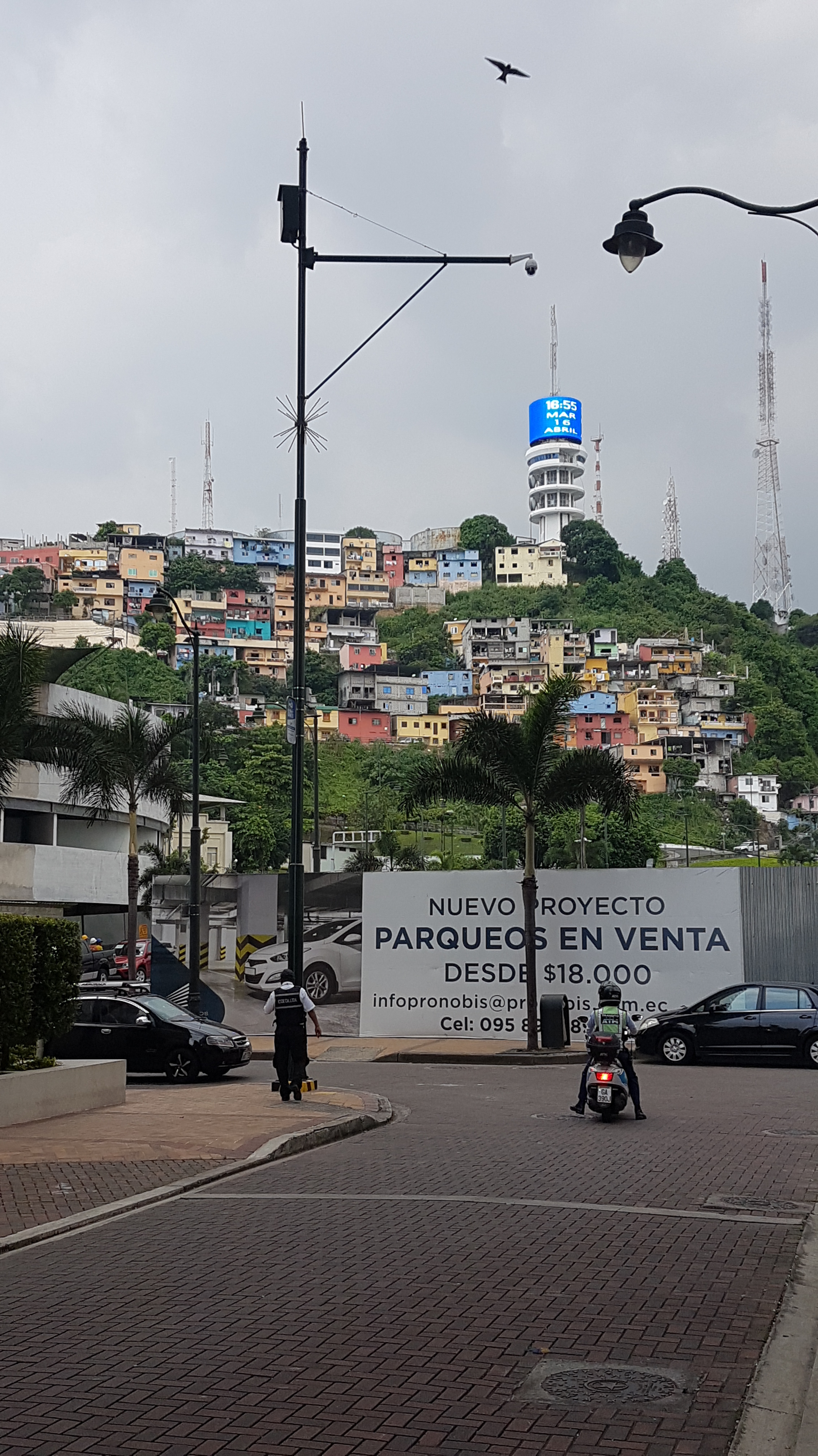
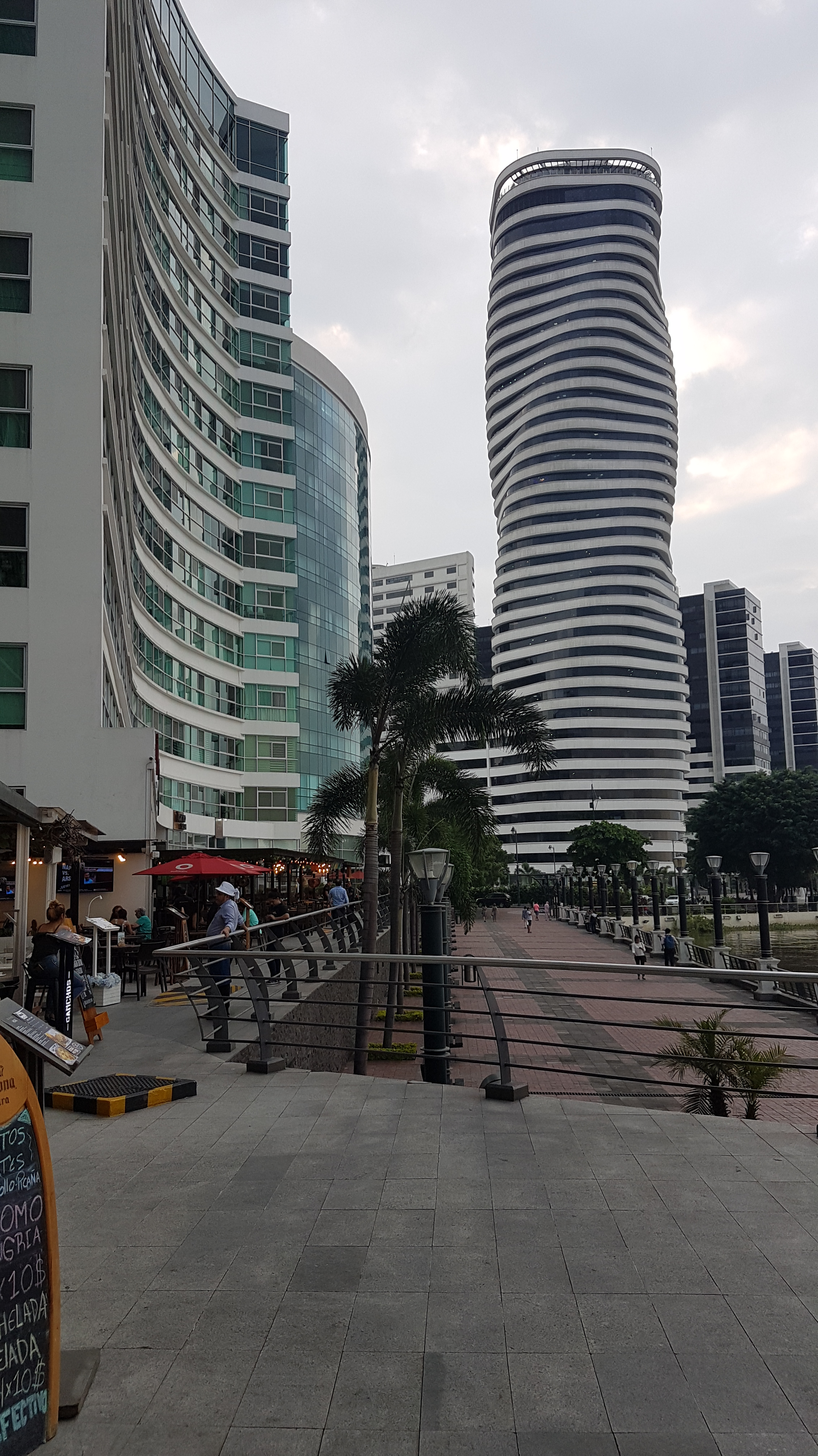
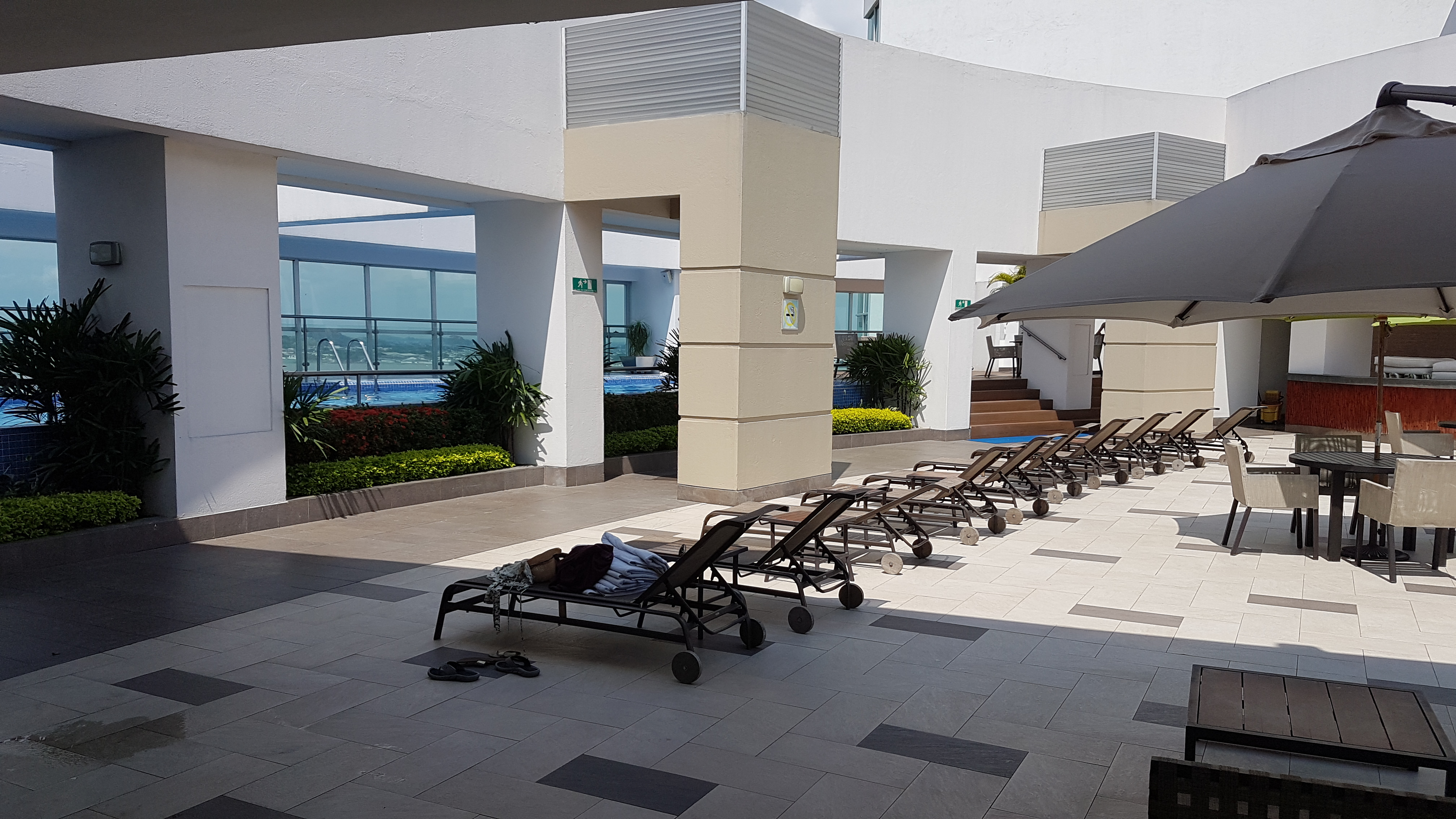
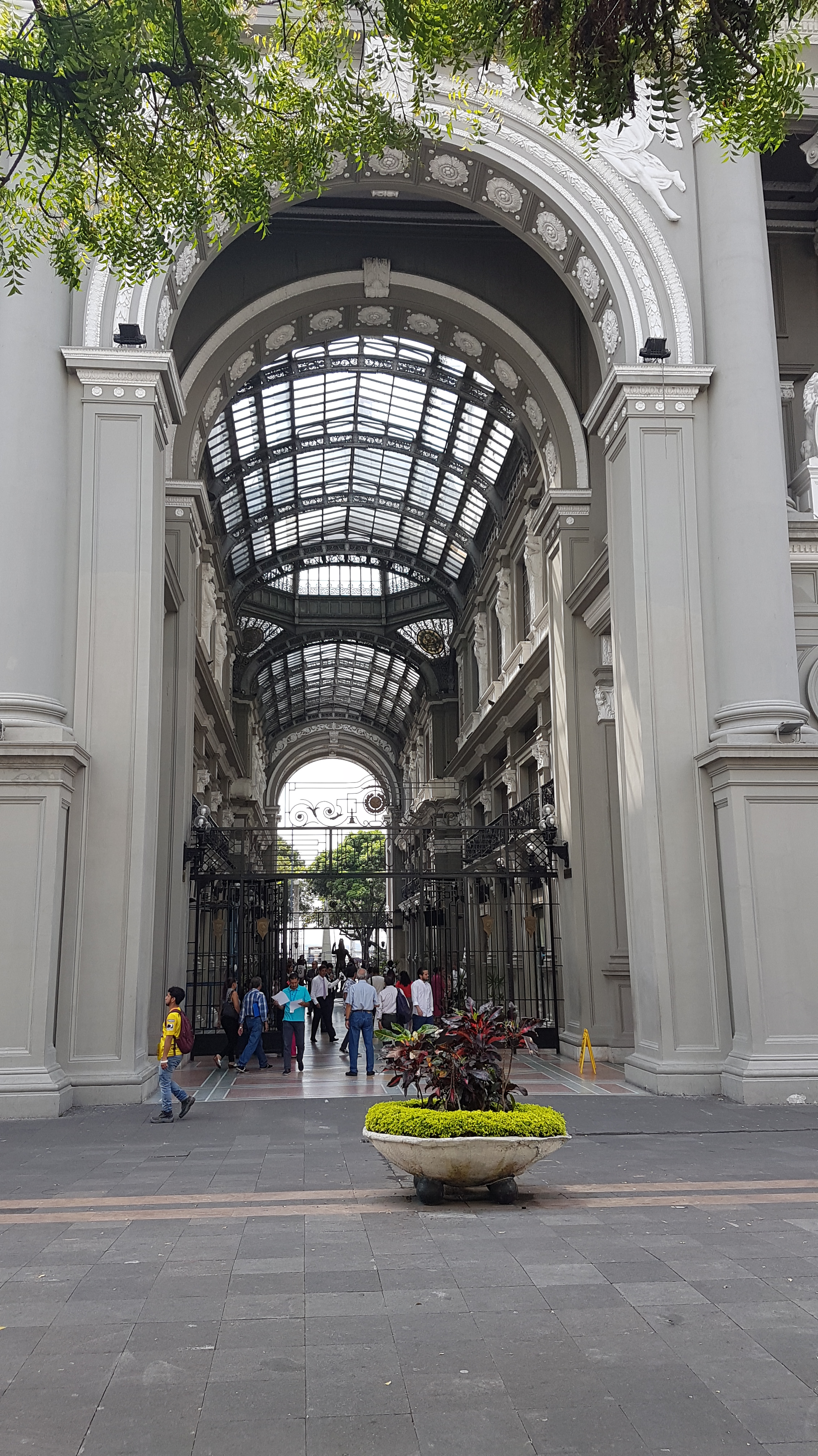
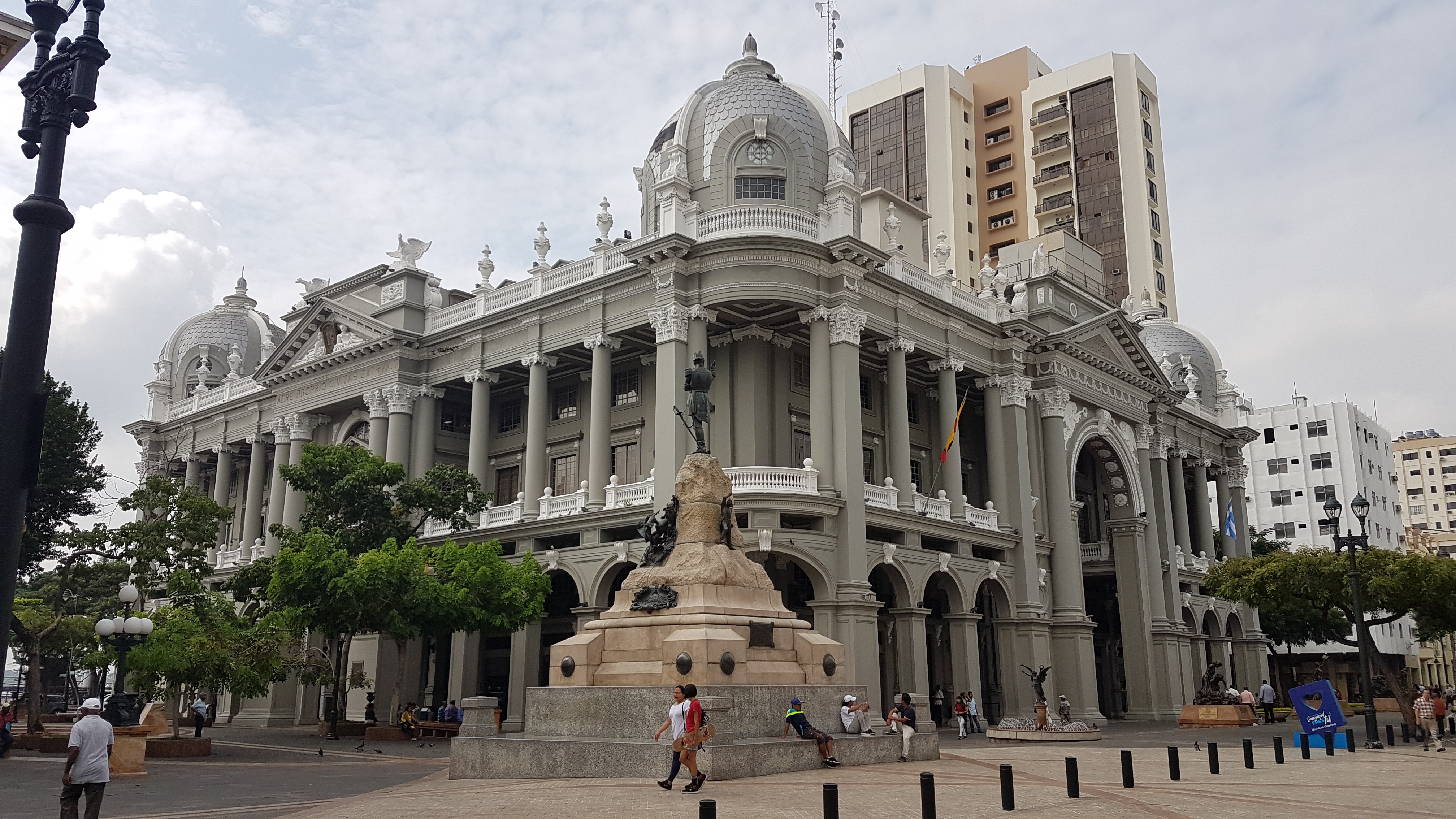
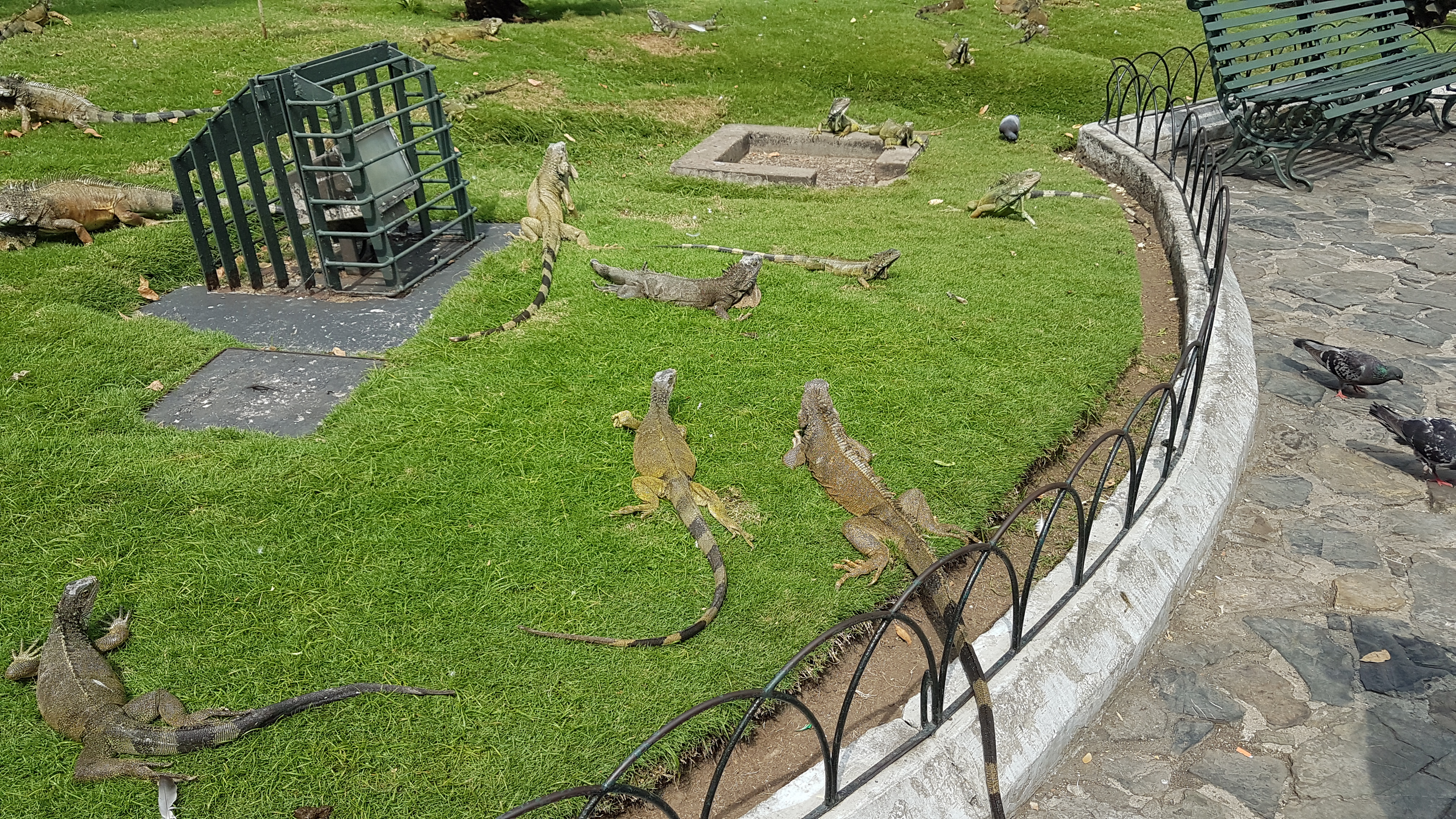
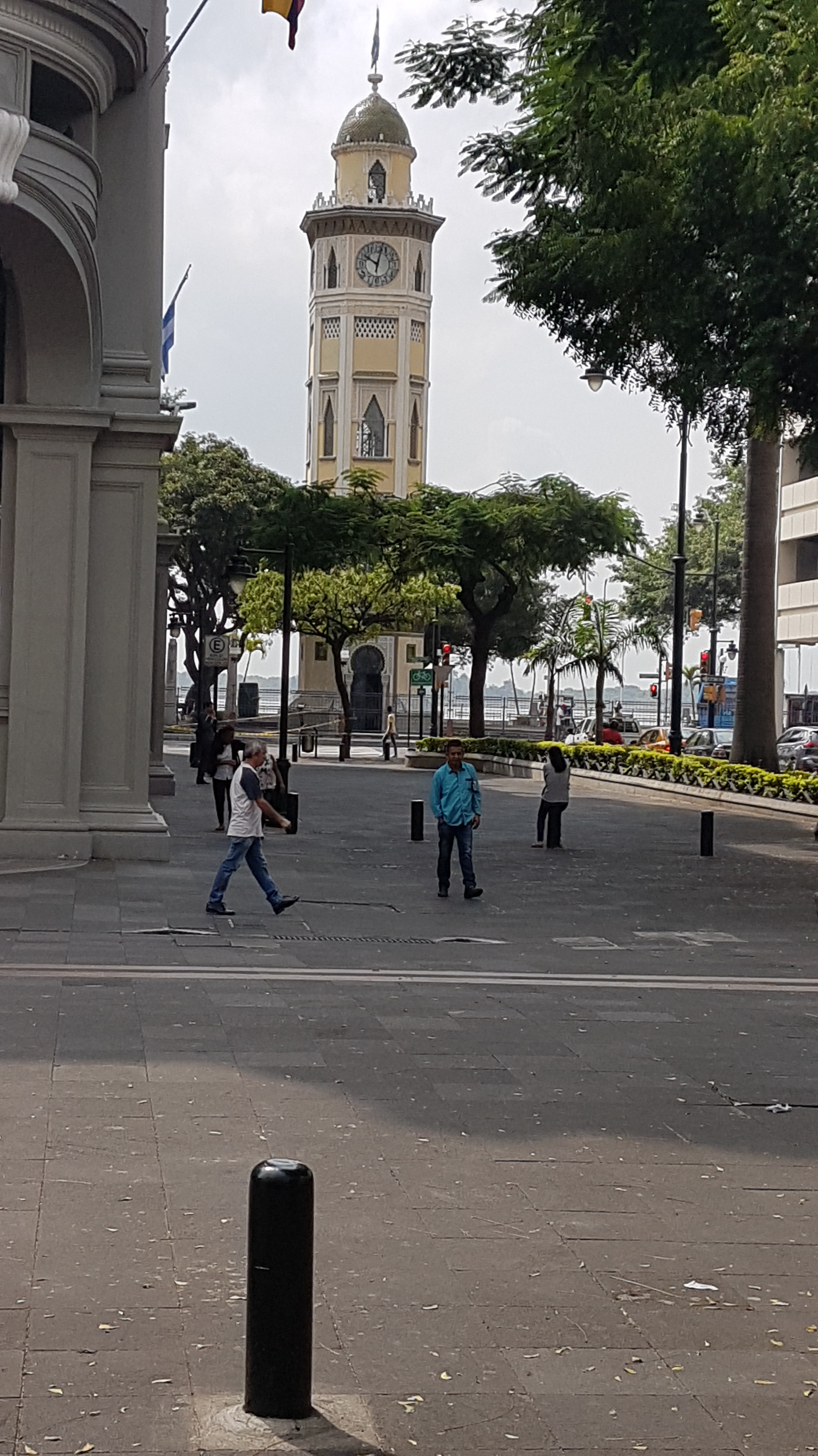
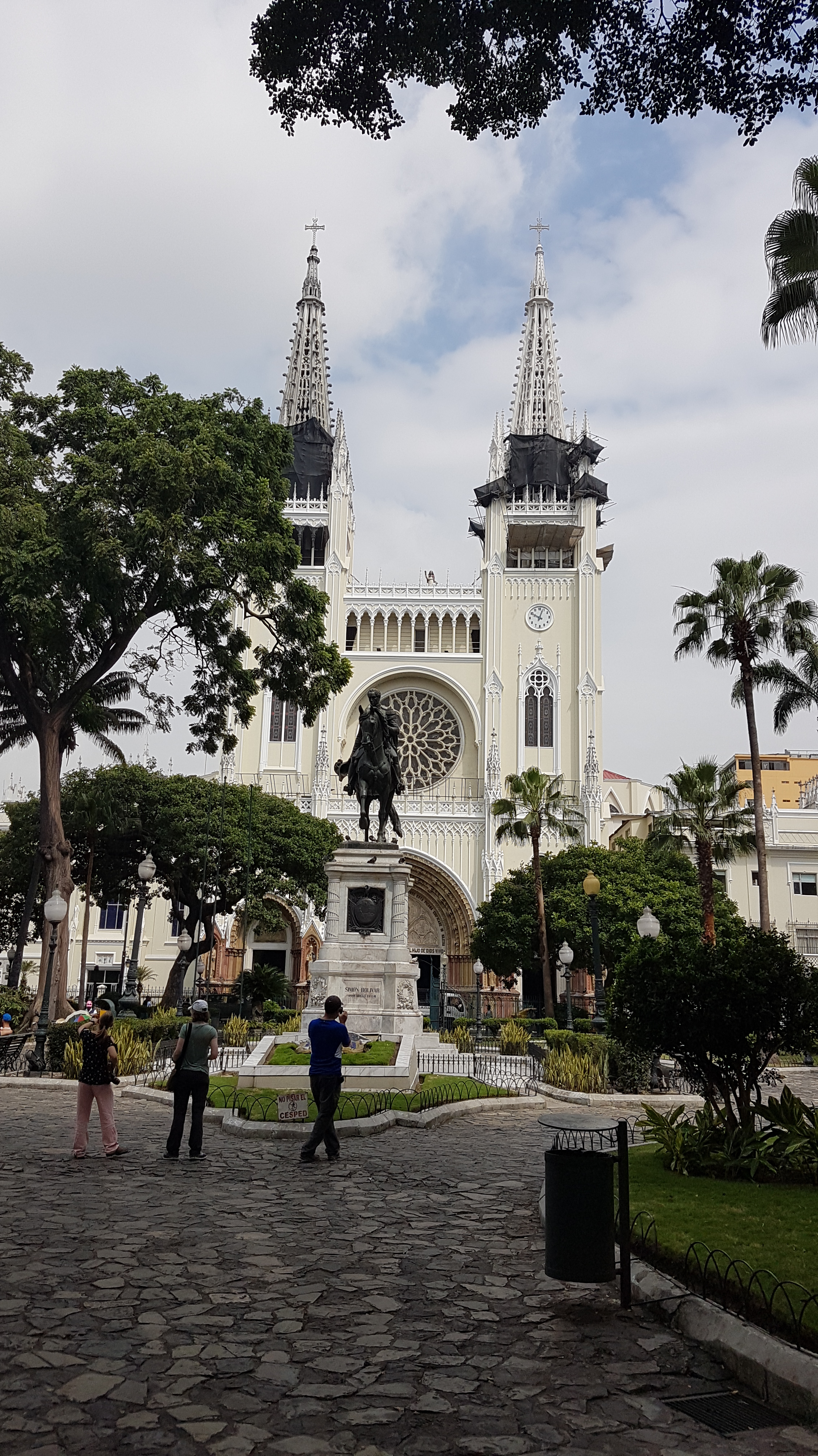
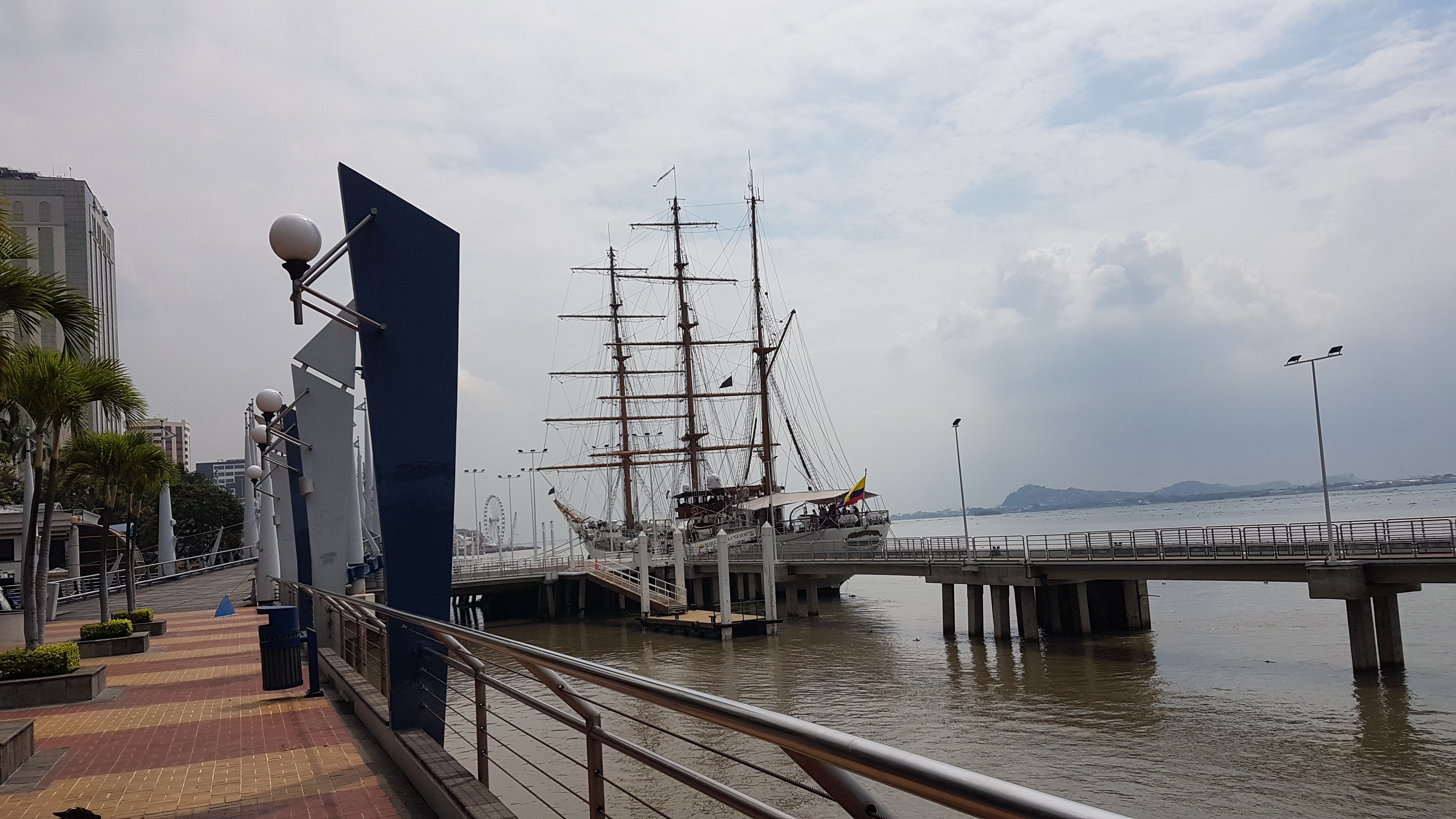
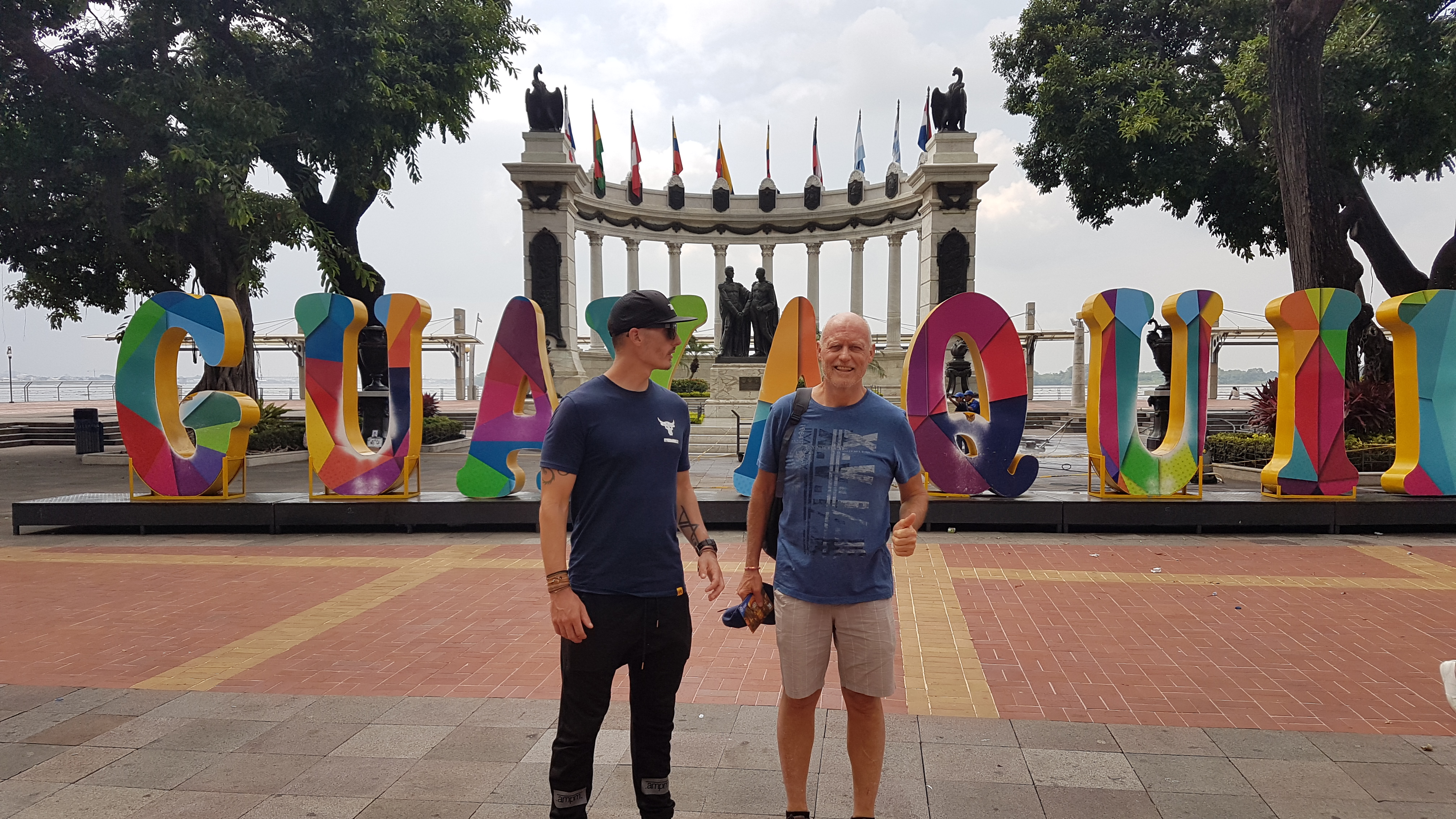
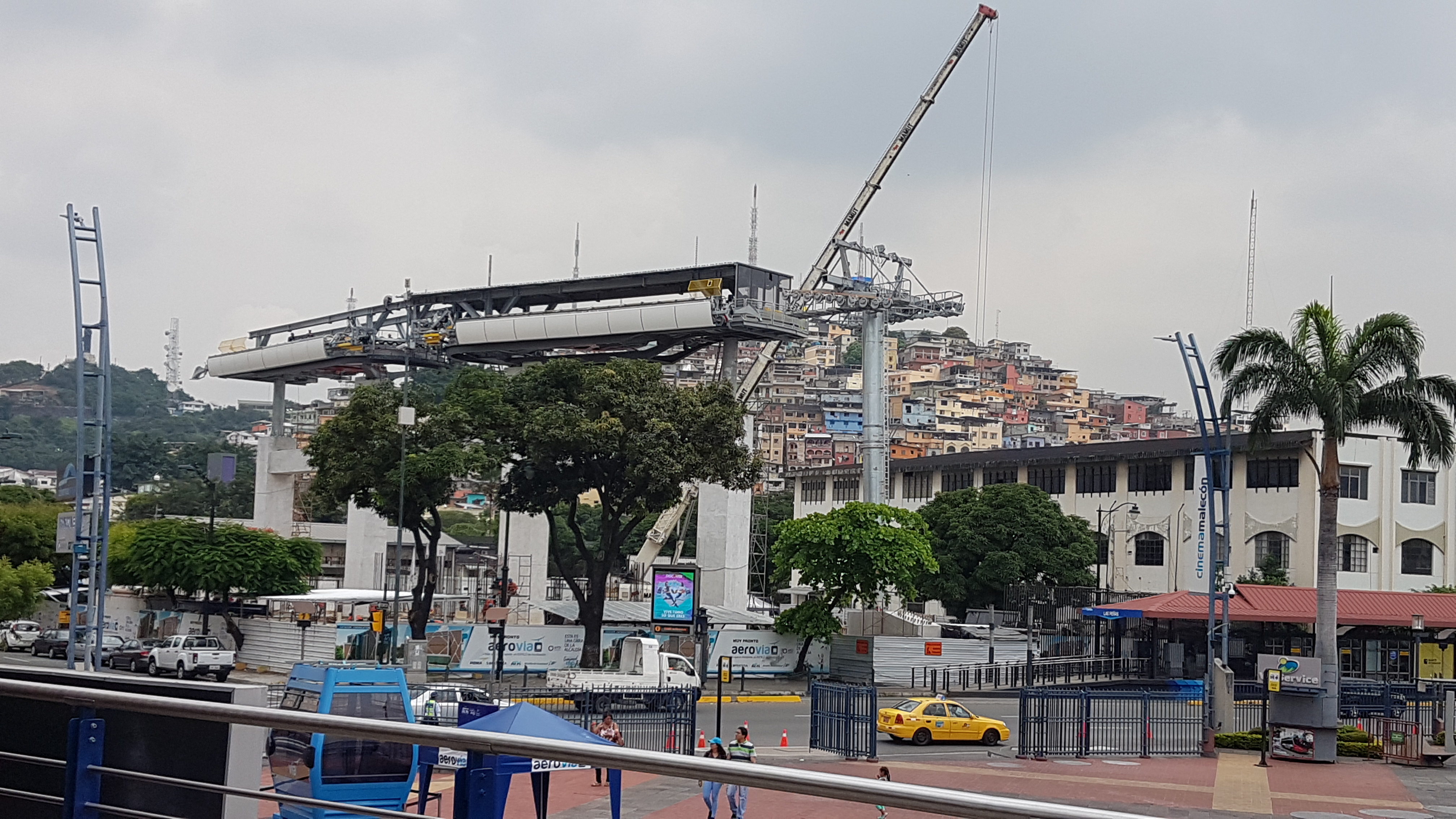
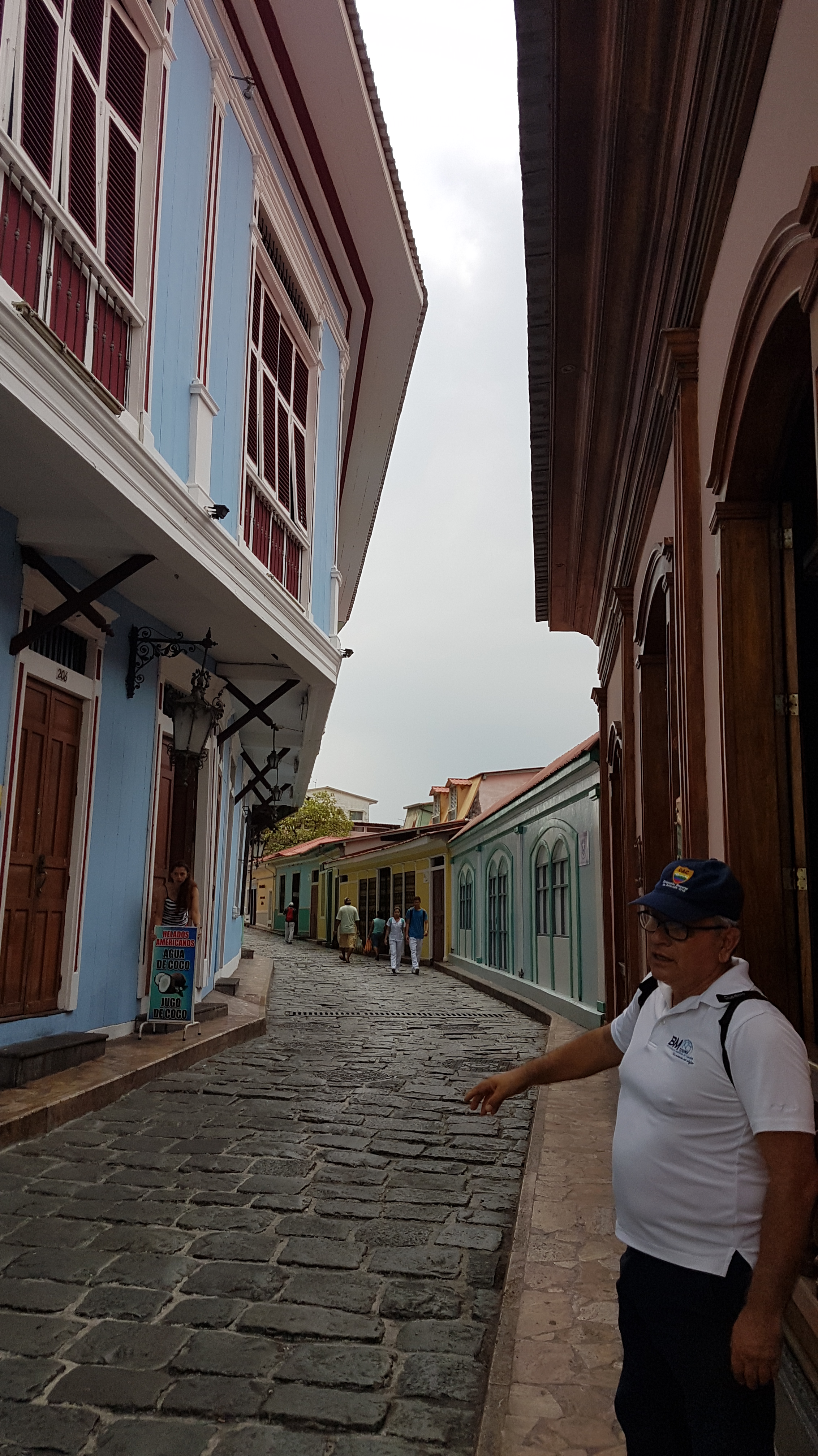
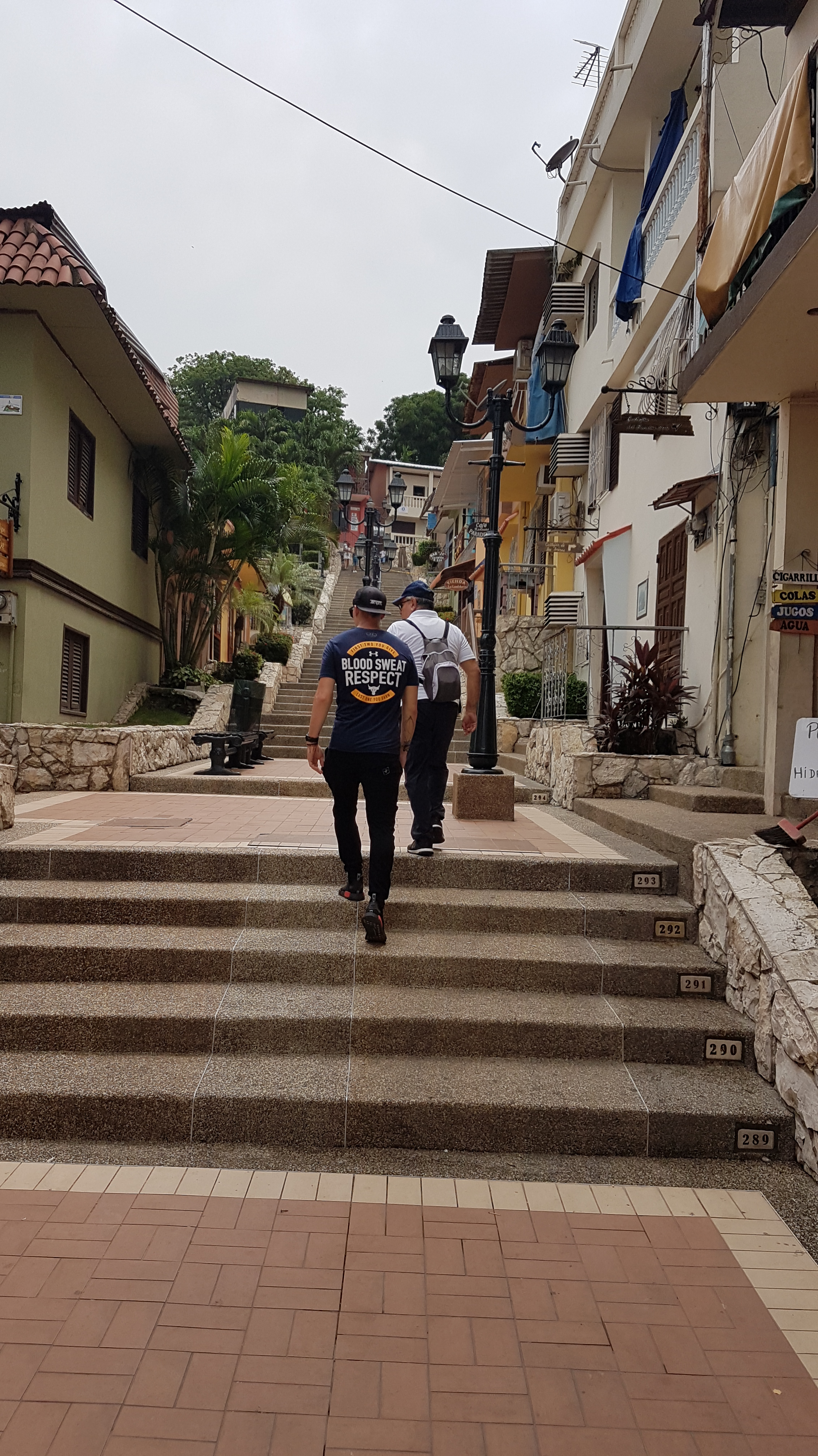
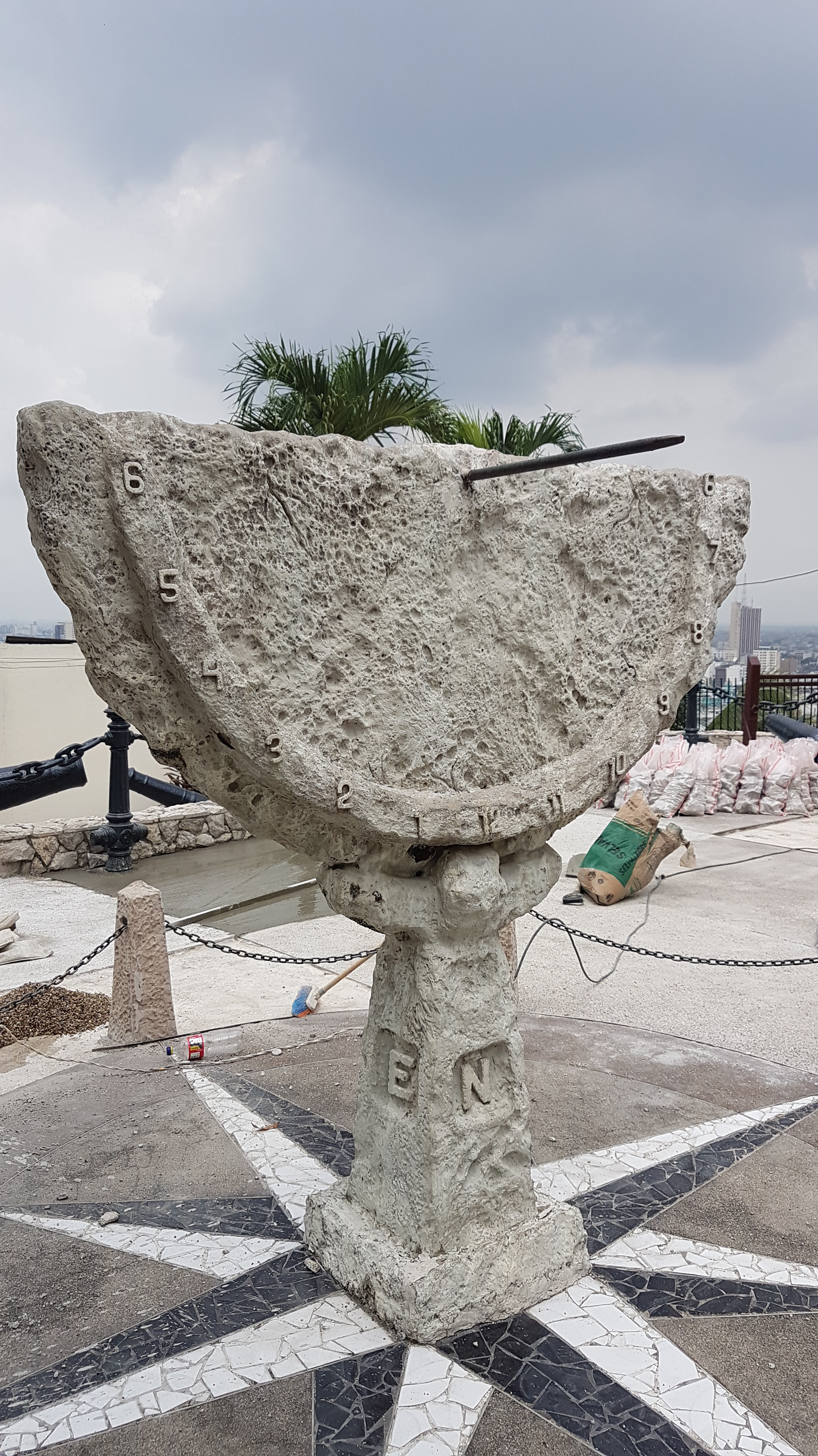
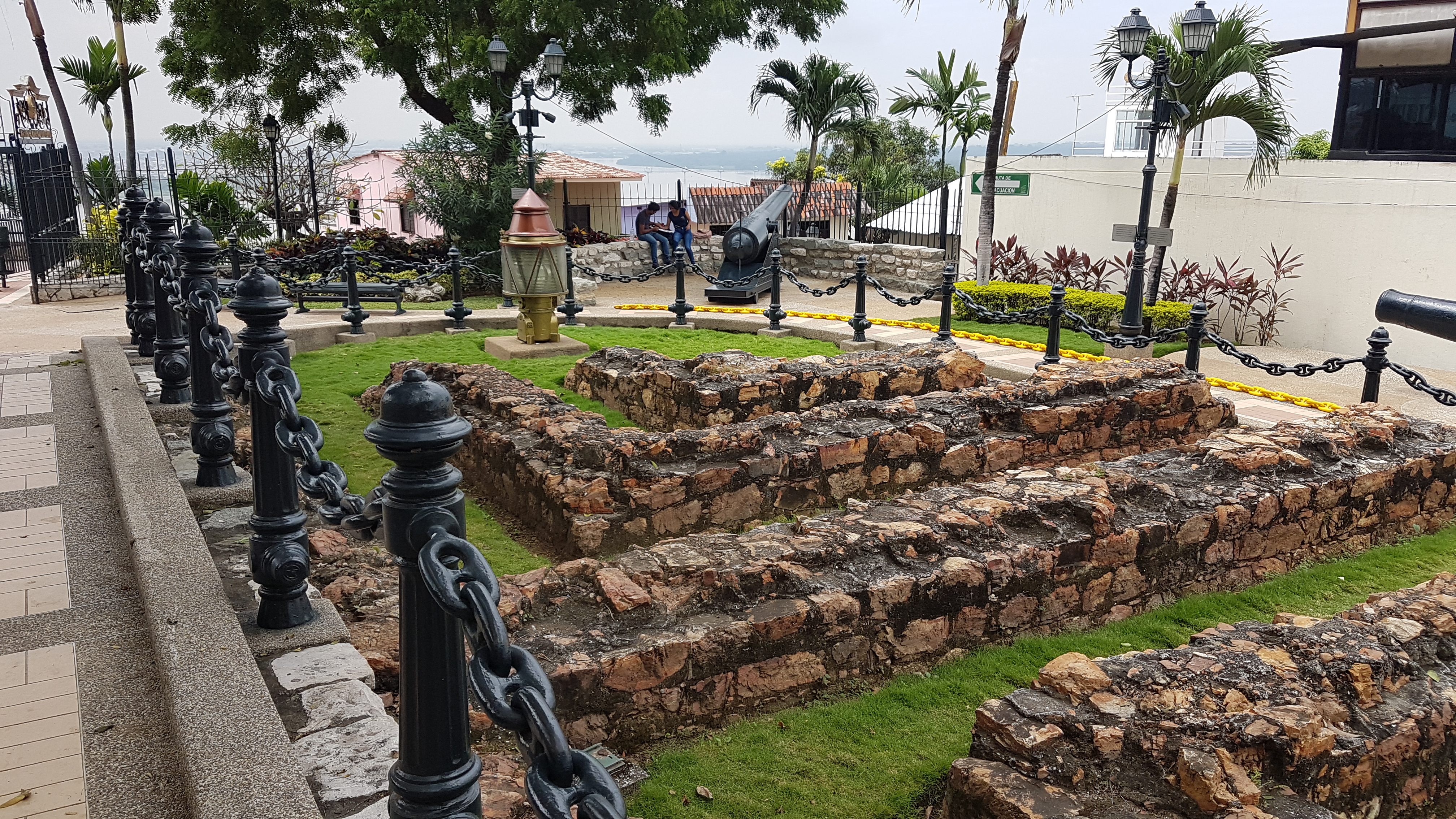
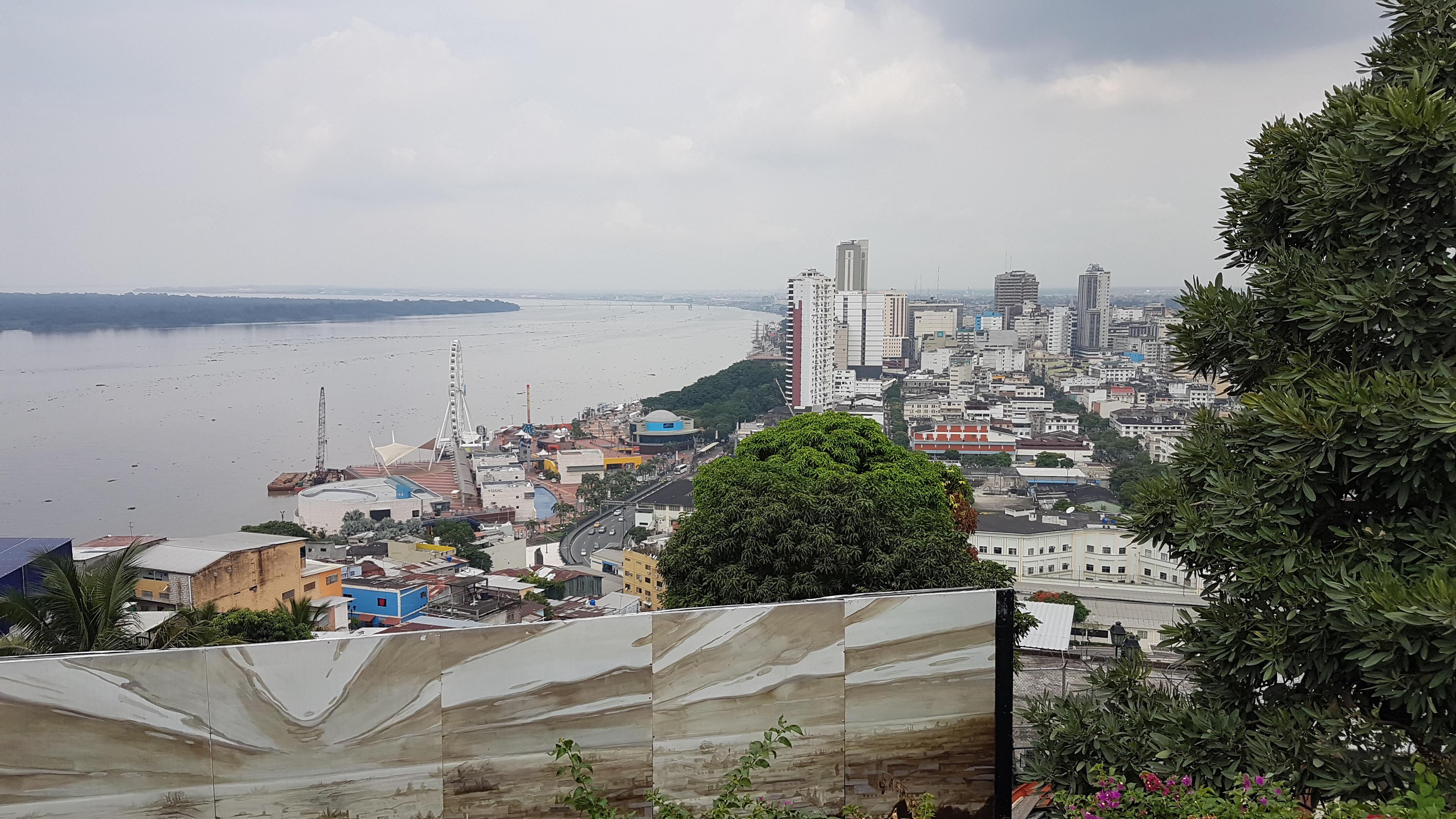
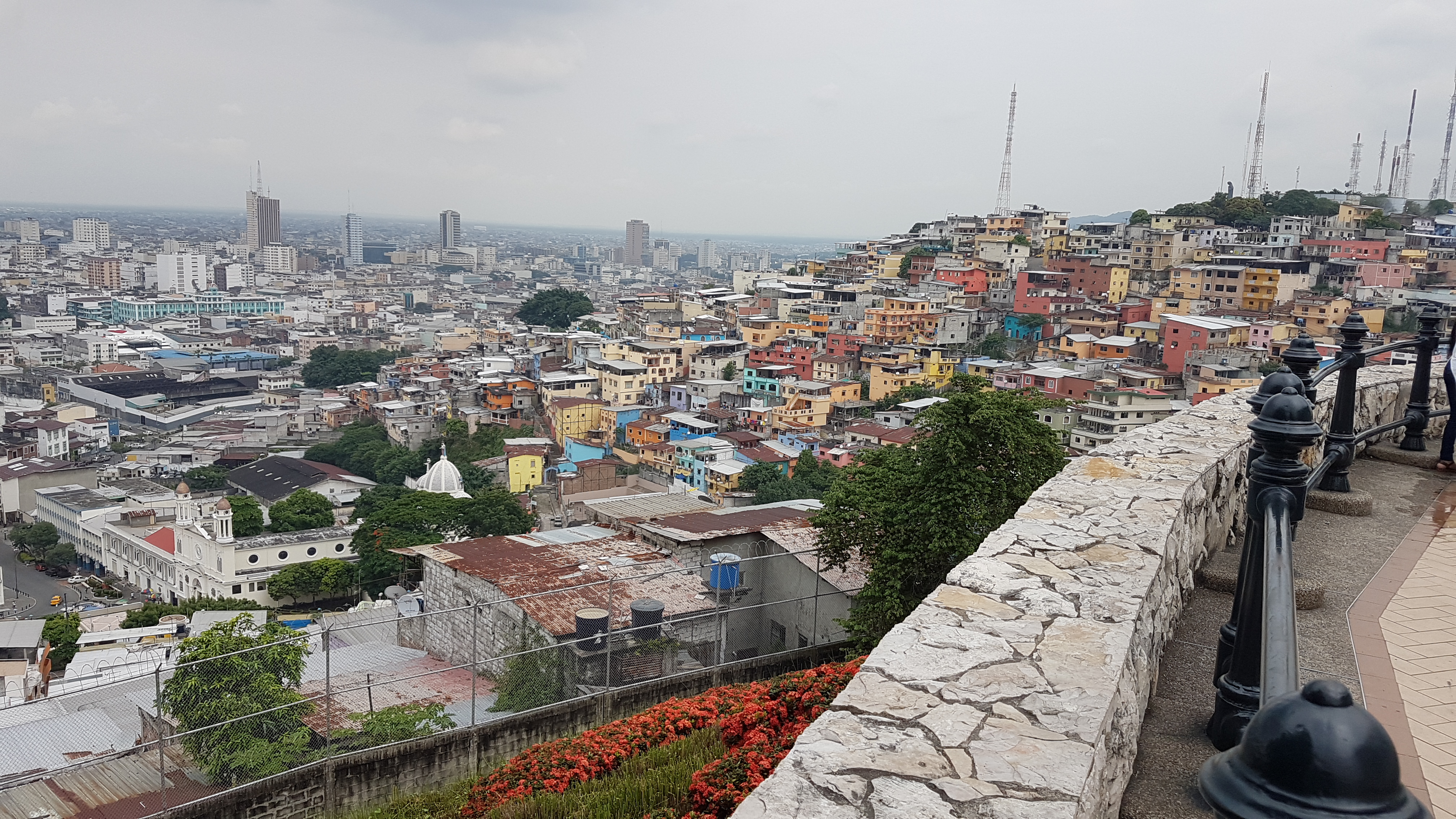
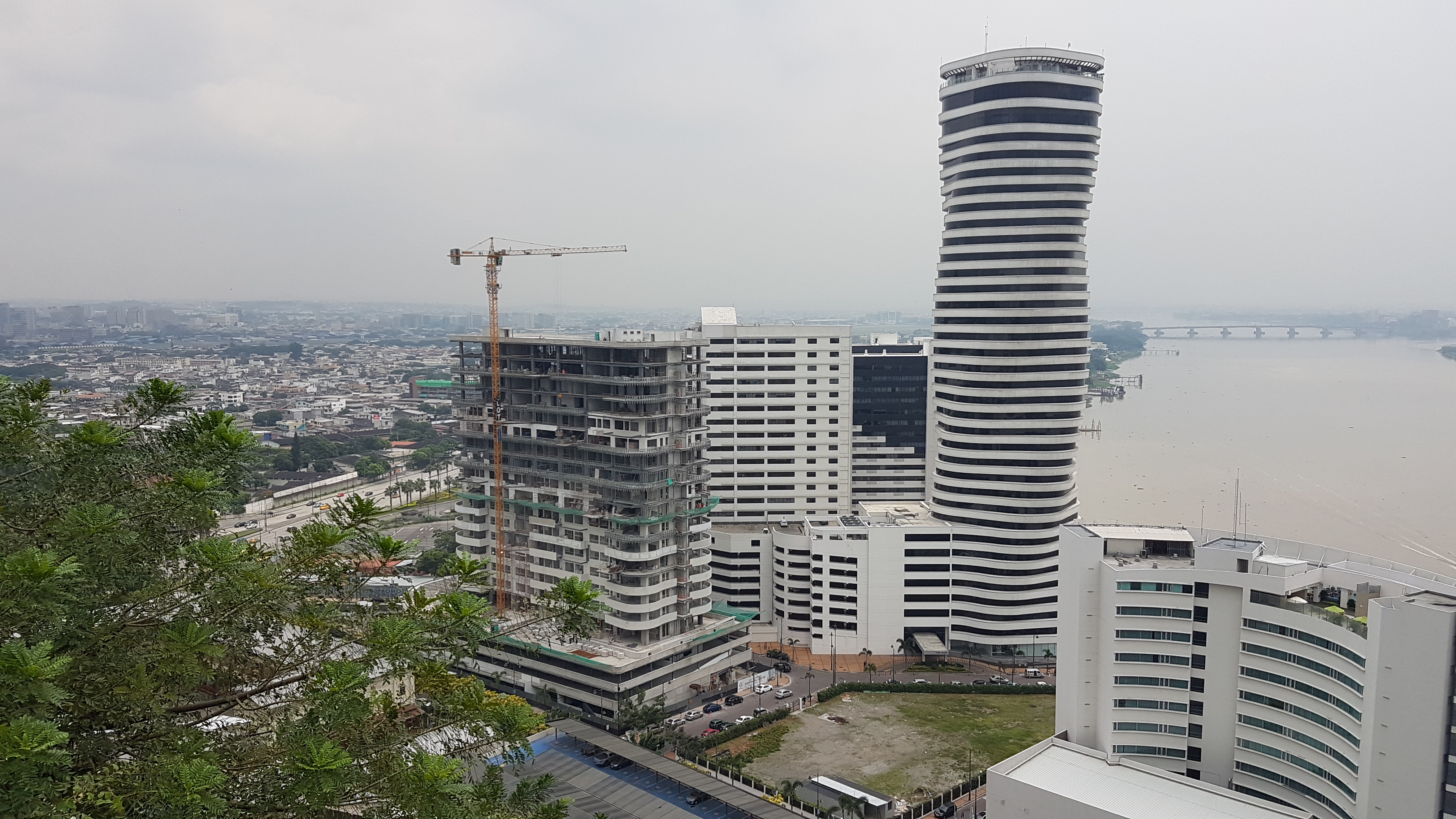
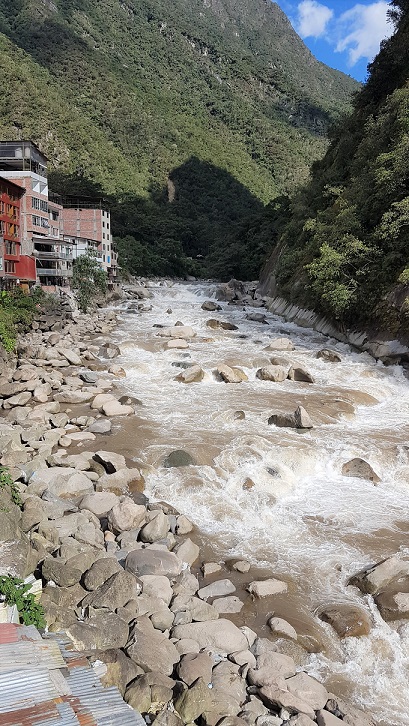
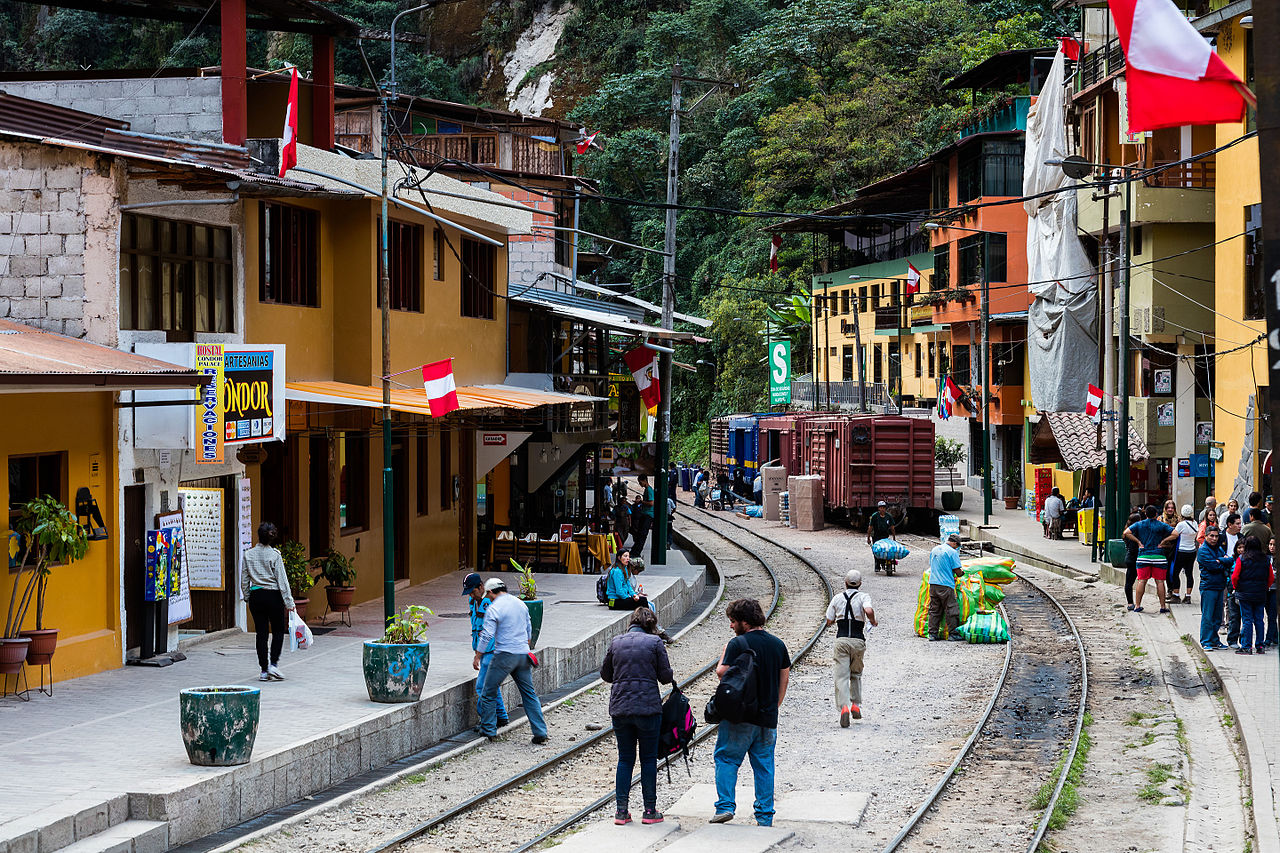
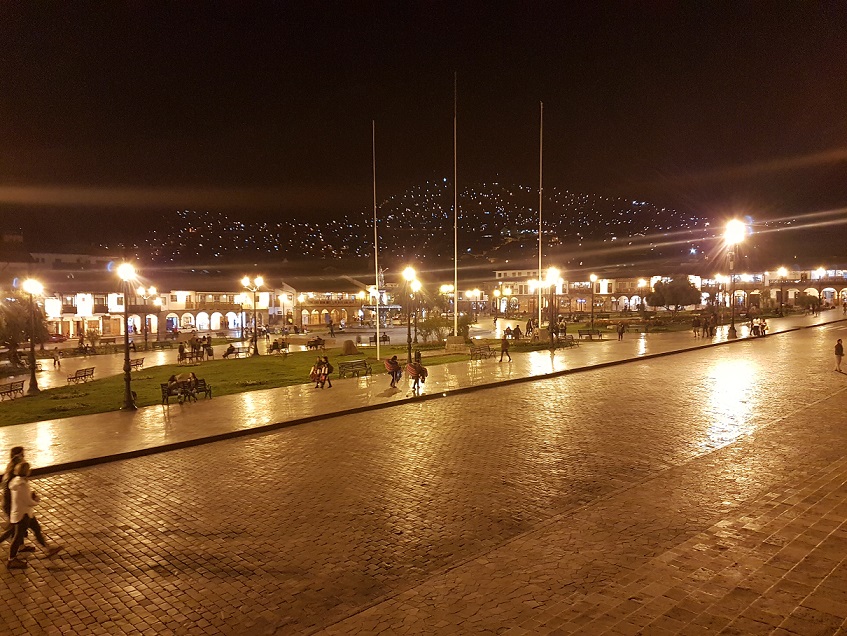
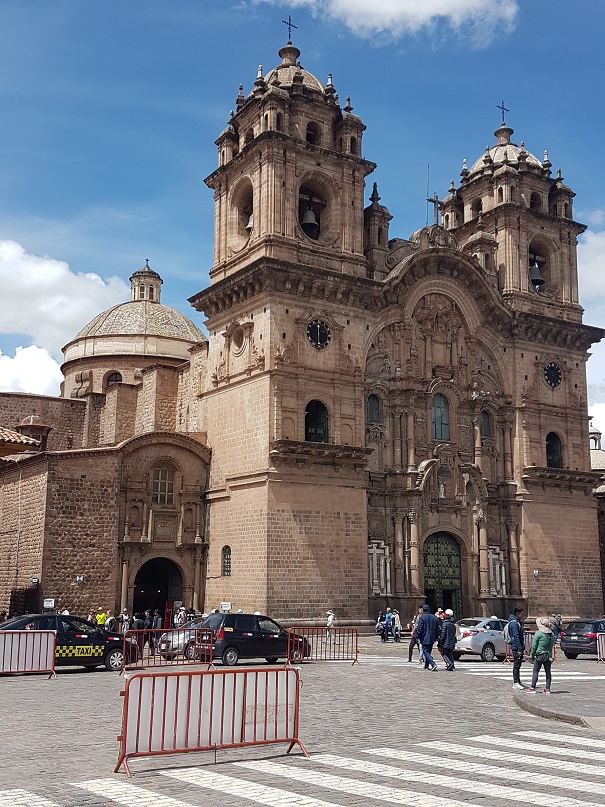
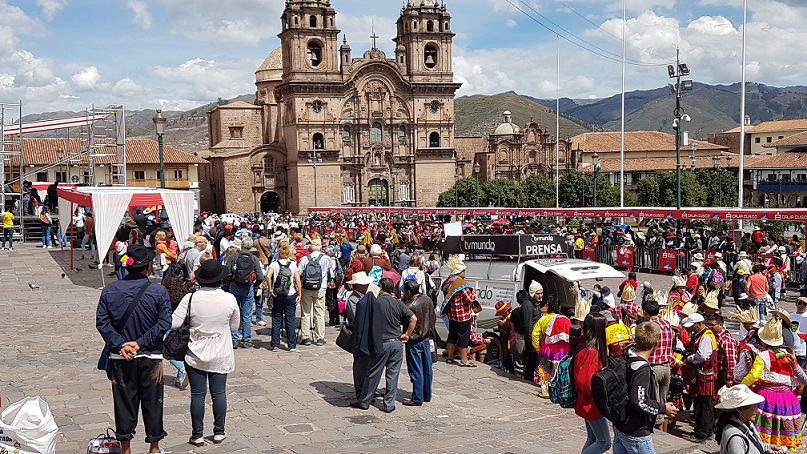
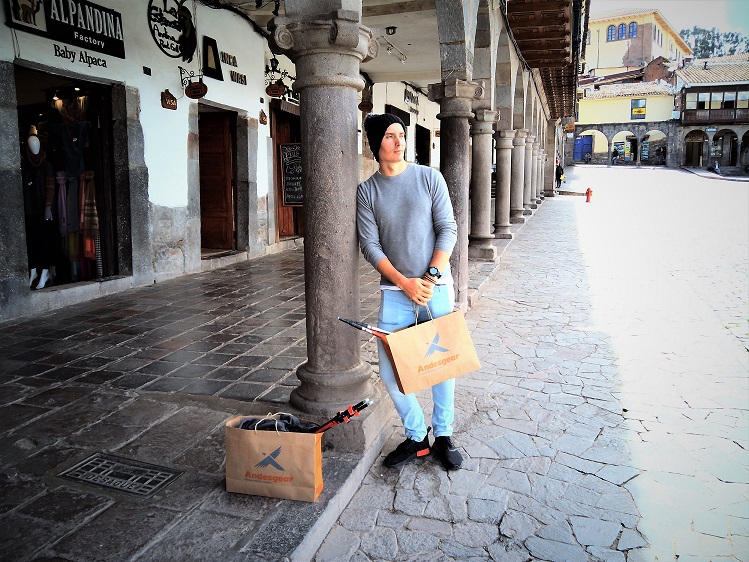
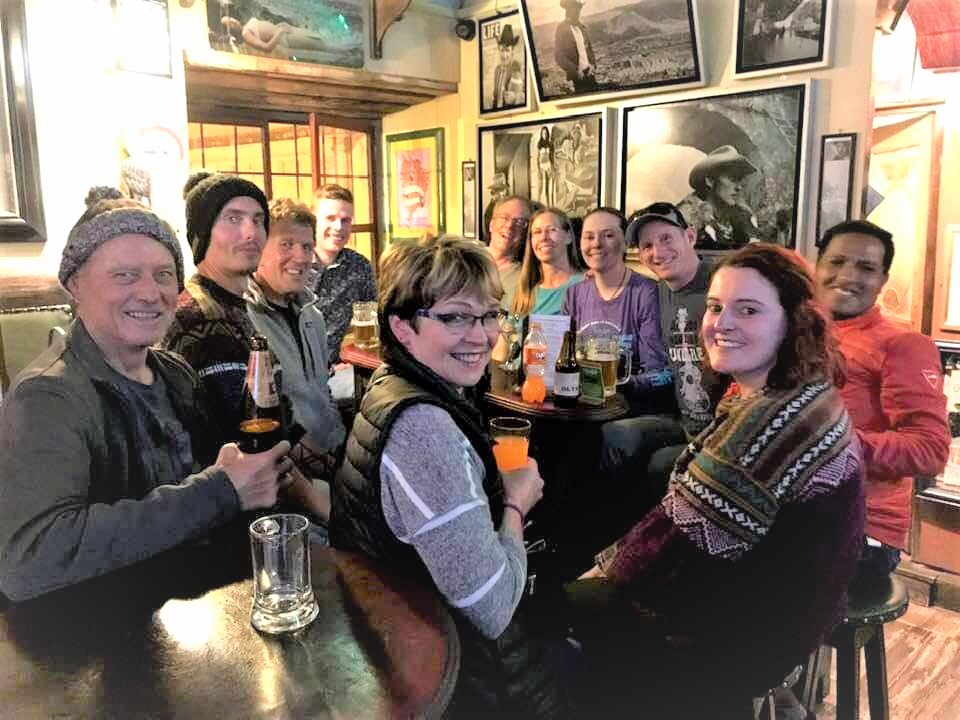
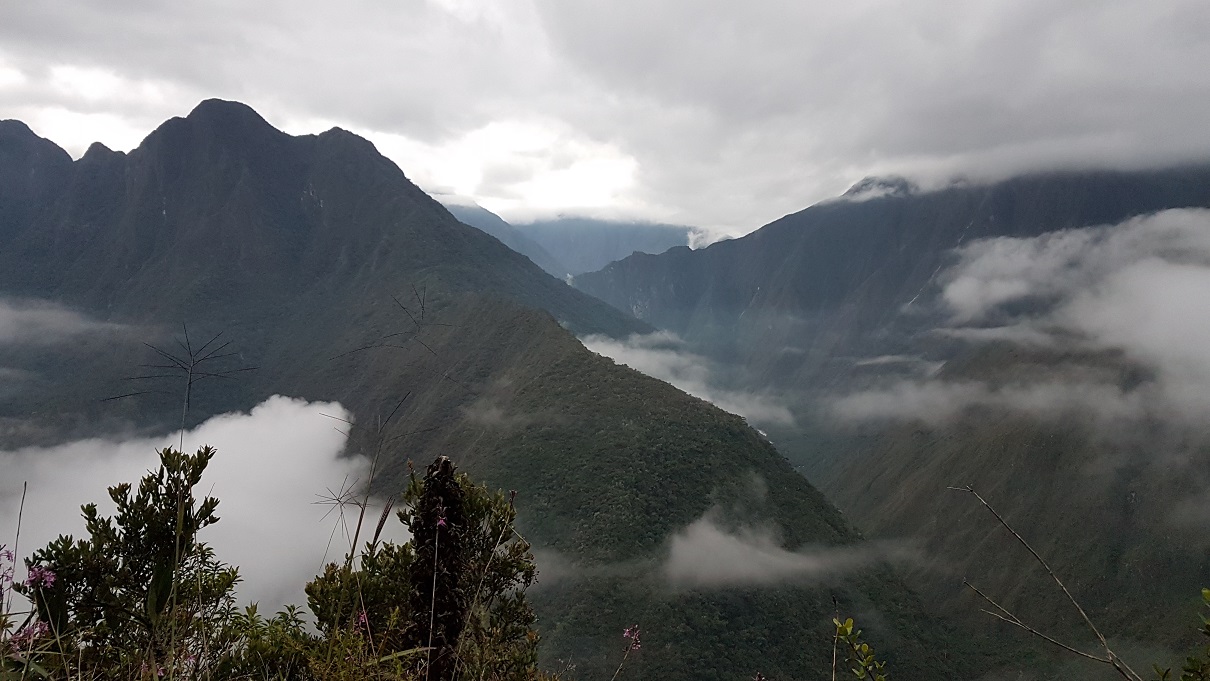
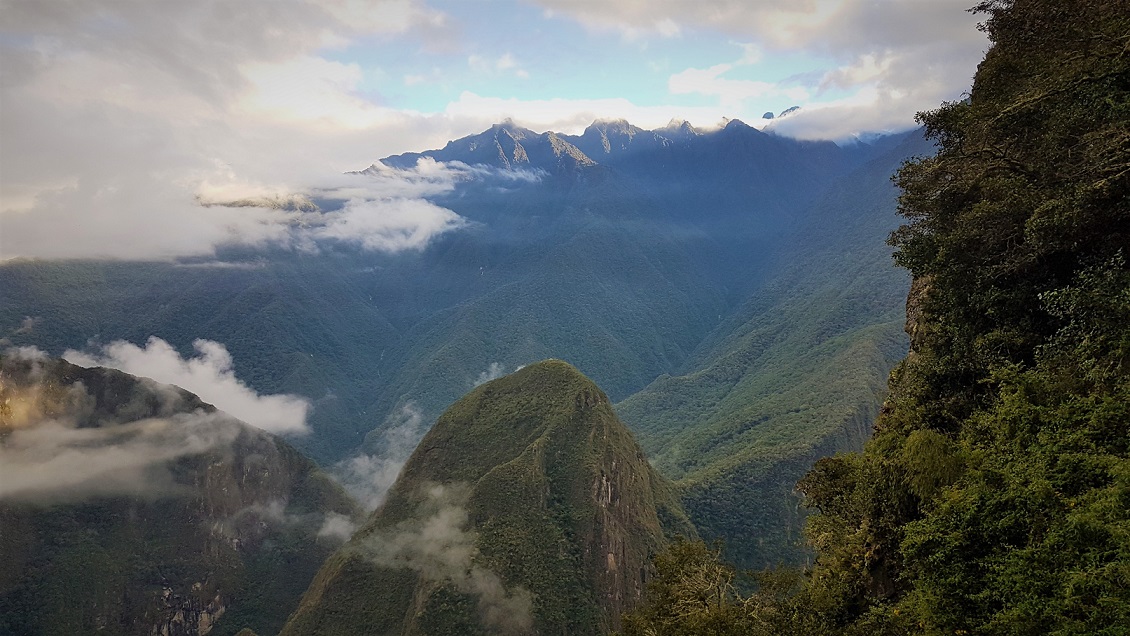
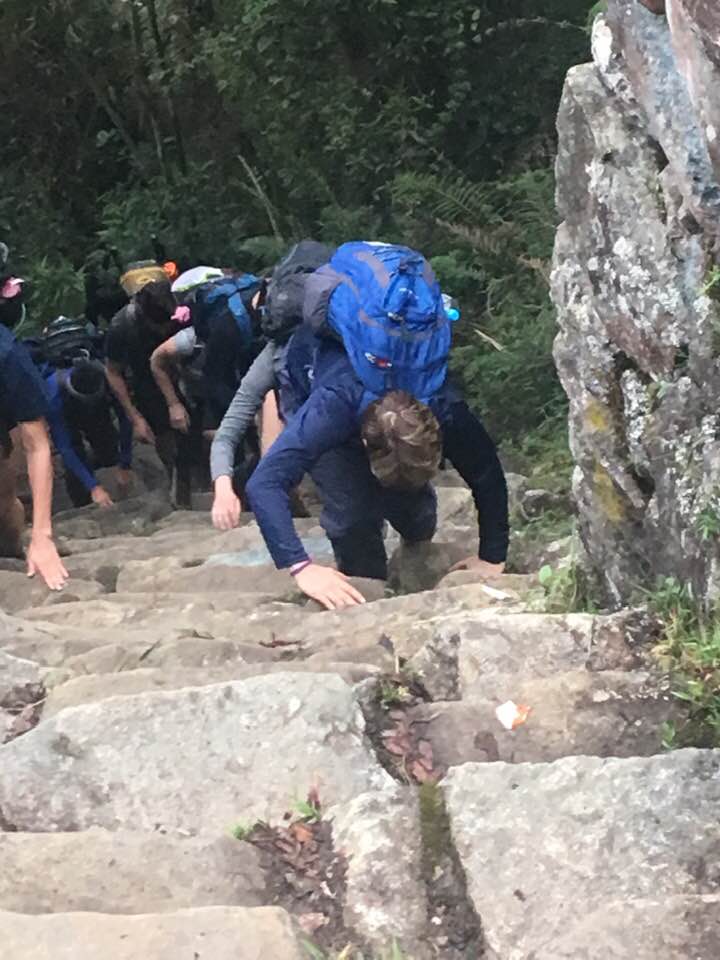
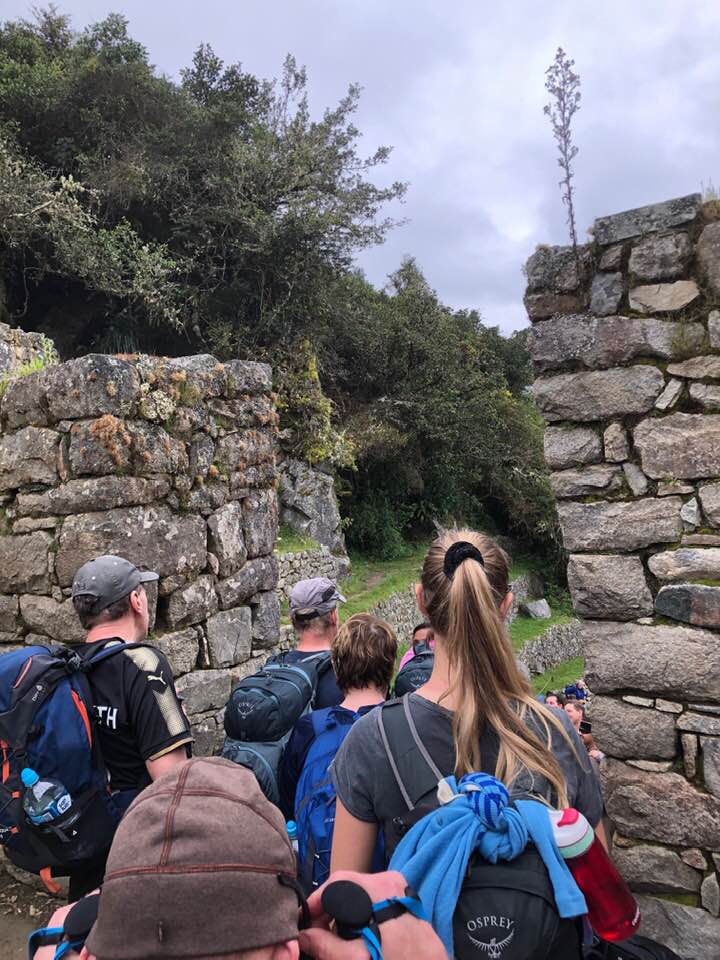
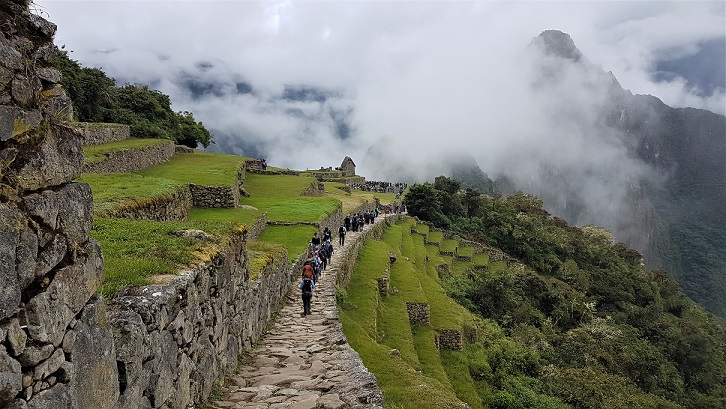
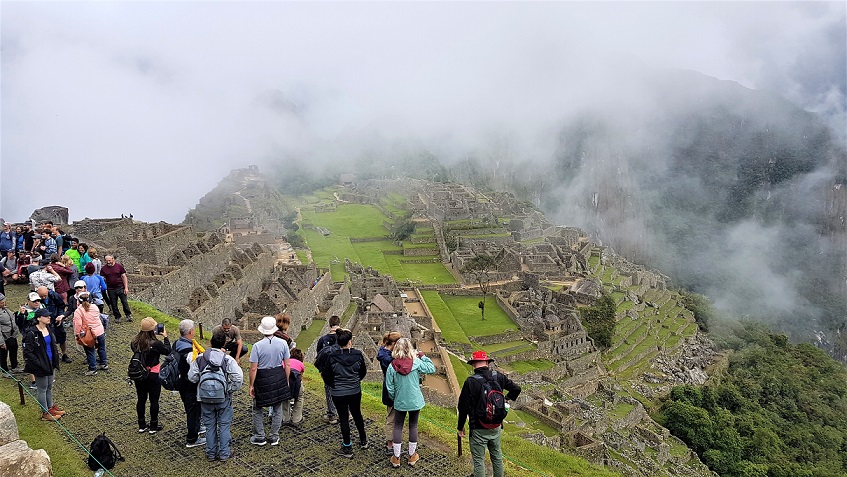
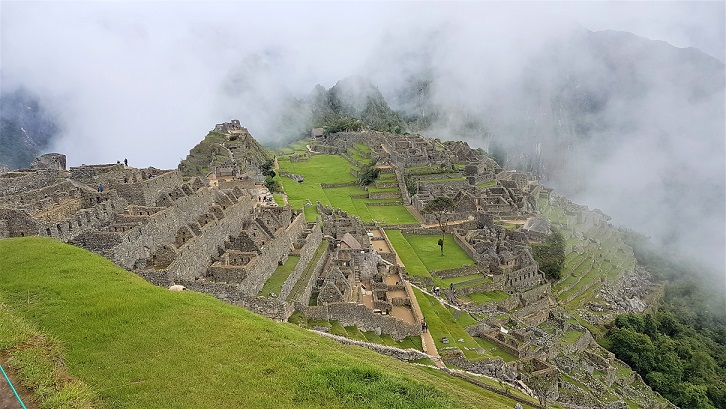
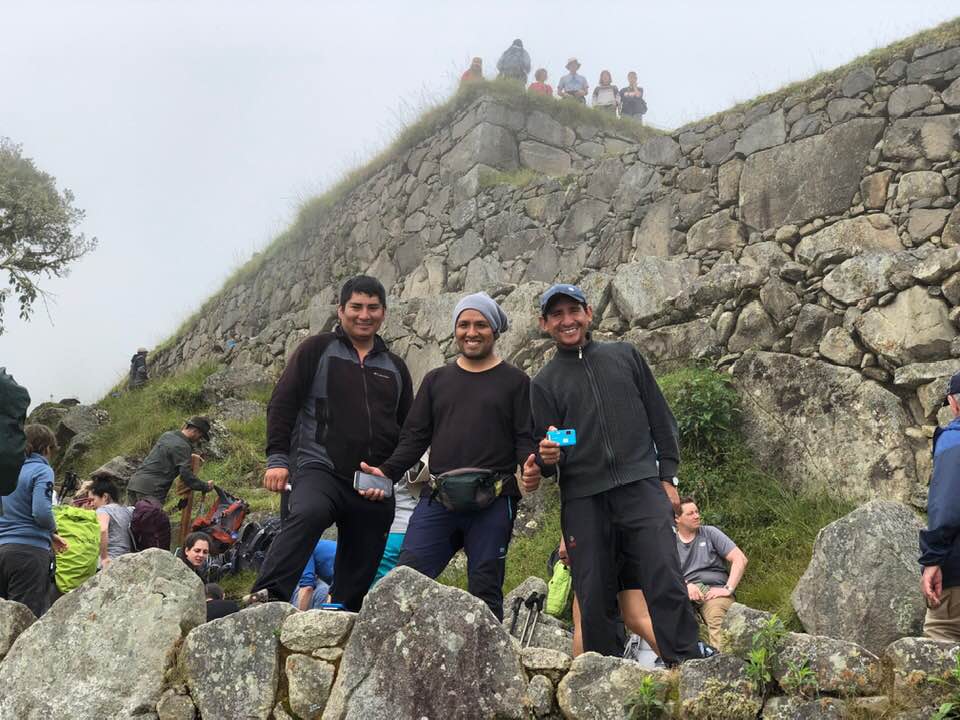
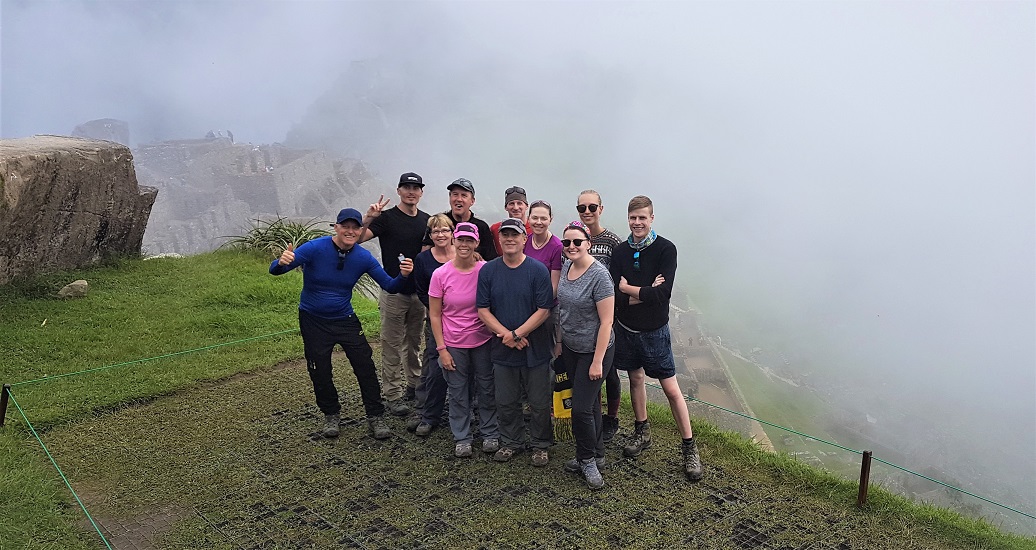
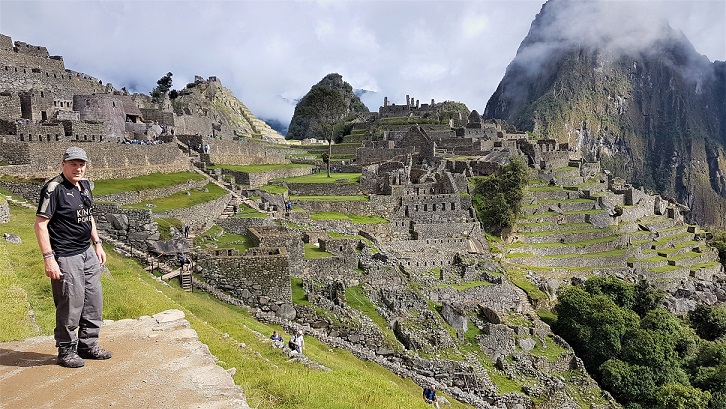
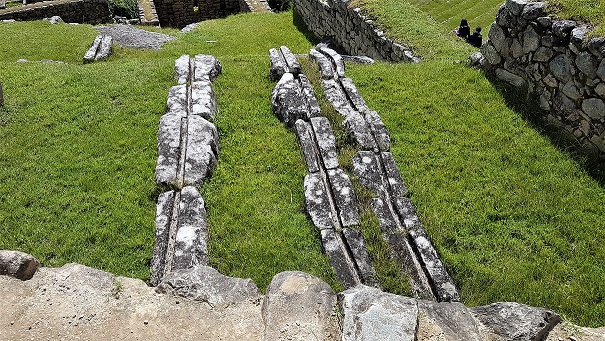
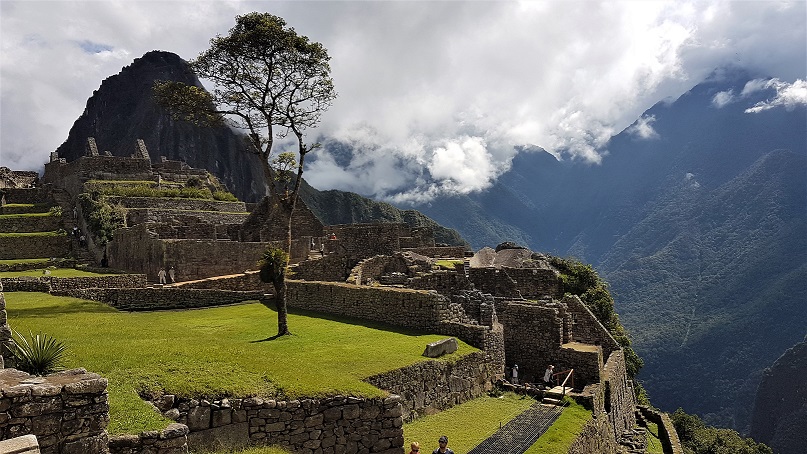
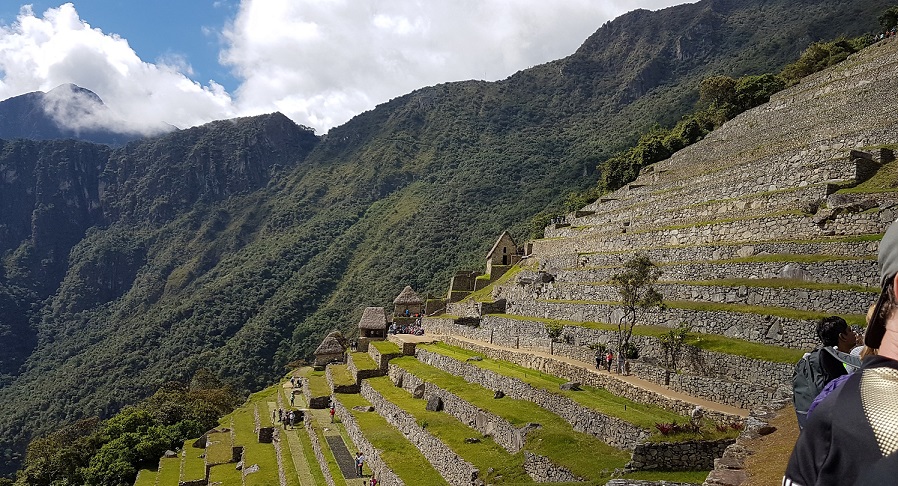
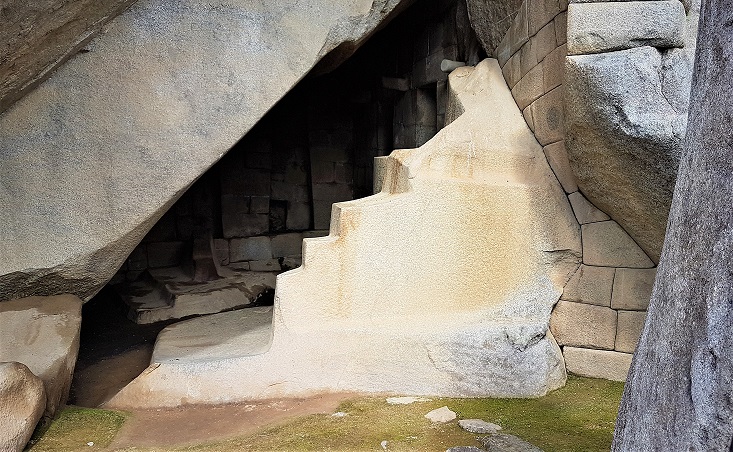
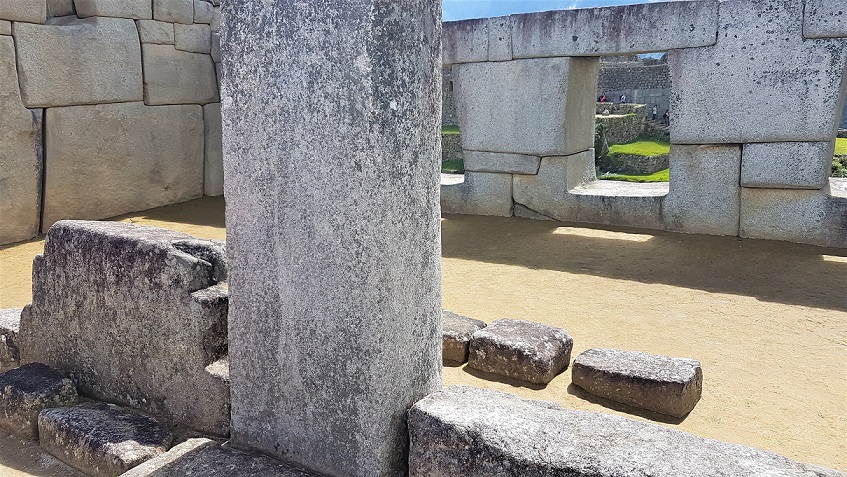
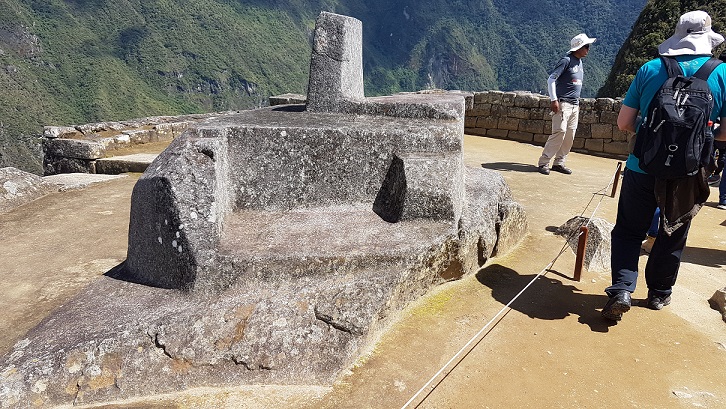
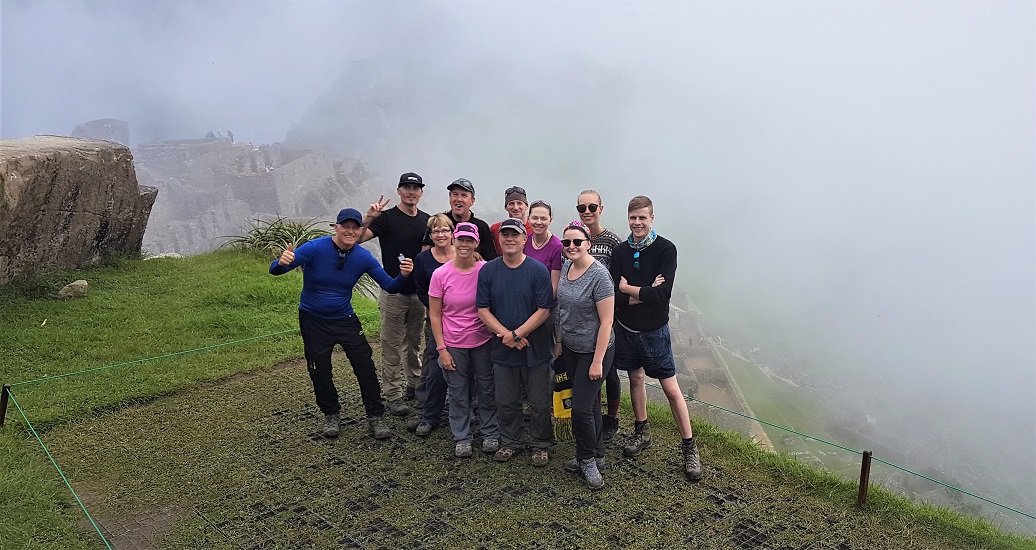
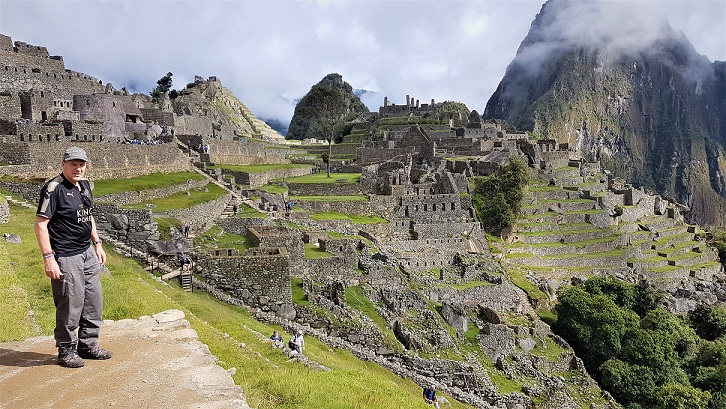
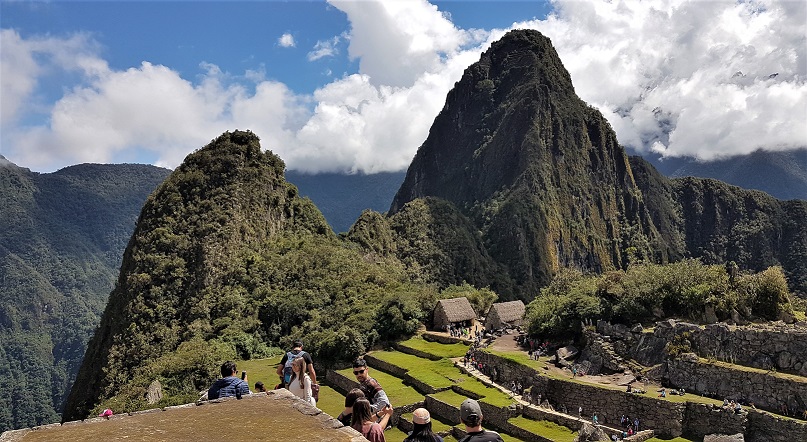
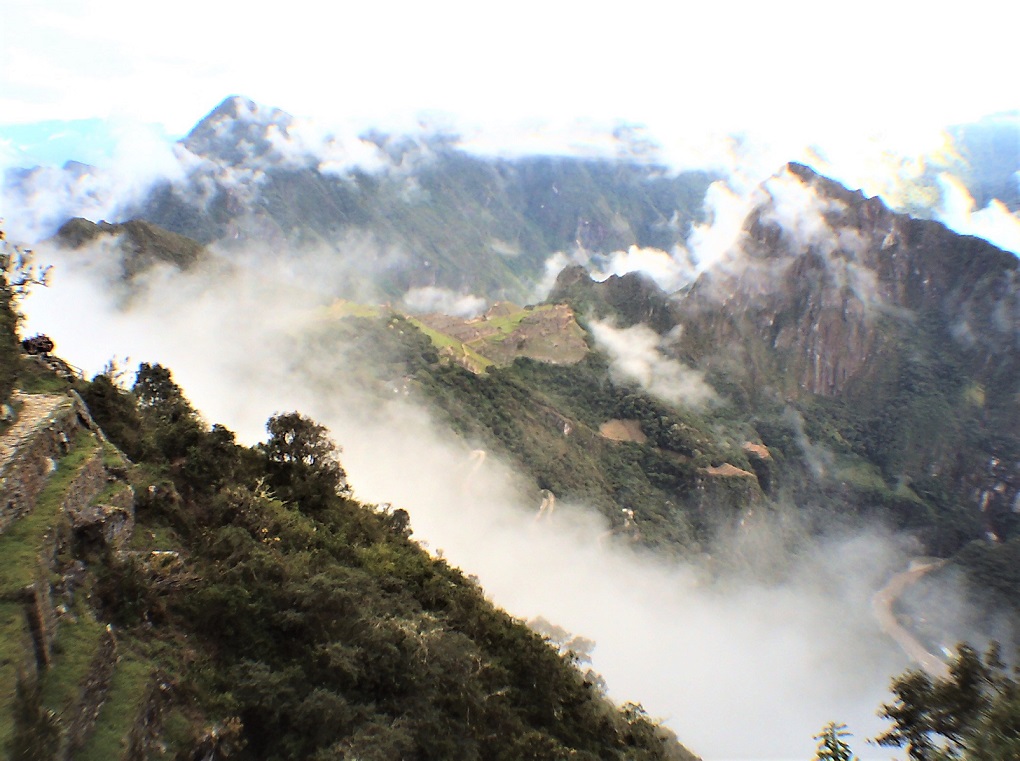
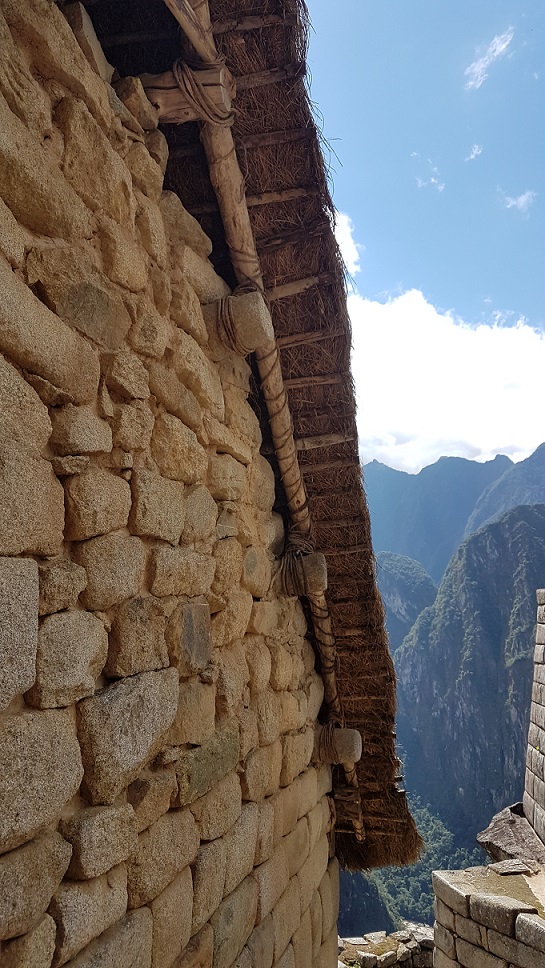
 BH Life Travels